
Best Time to Visit Masai Mara: Month-by-Month Safari Guide
There is no single best month. The right time depends on whether you want migration drama, fewer vehicles, green landscapes, photography, lower prices or simply excellent resident wildlife.
The Masai Mara is a year-round wildlife destination. Lions, elephants, buffalo, giraffes, cheetahs, hyenas and many other resident species do not disappear when the migration leaves.
The biggest seasonal changes are rainfall, grass conditions, migration position, visitor numbers and price.
The useful question is not:
“What is the best month?”
It is:
“Best month for what?”
Quick answer: choose by your priority
Great Migration
Late July to September is generally the strongest window for large herd concentrations and Mara River crossing opportunities.
General wildlife
January–February and June–October can all be excellent, depending on weather and where you stay.
Lower crowds
January–June and November–early December usually offer a calmer Mara than peak migration weeks.
Photography
January–February for clearer light and shorter grass; green season for dramatic skies and saturated landscapes.
Value
April–May and parts of November can offer lower lodge rates, but weather and road conditions become a bigger consideration.
Best all-round compromise
June or September can combine excellent wildlife with fewer compromises than the absolute peak weeks.
Month by month: what the Mara actually feels like
Generally drier conditions, strong resident wildlife, good visibility and fewer visitors than migration season.
Often warm and relatively dry. Excellent for general wildlife and photography before the long rains build.
Weather becomes less predictable. Green landscapes begin to return and visitor pressure usually remains moderate.
One of the wetter months. Dramatic skies, lush scenery and fewer vehicles, but muddy tracks and disrupted road travel are possible.
Still green and often wet. Excellent value can appear, but itinerary planning needs more flexibility.
Cooler and drier conditions begin. Resident wildlife is excellent and peak migration crowds have not yet fully arrived.
The first major migration herds may enter from Tanzania. Timing varies each year with rainfall and grazing.
One of the strongest months for migration concentrations and river-crossing opportunities — and one of the busiest.
Herds can remain widespread across the Mara. Excellent predator activity, good migration chances and often slightly less frantic than August.
Herds may still be present early in the month, then increasingly move south as rainfall changes.
Greener landscapes and lower visitor numbers. Showers are possible, but wildlife remains strong.
Fresh grass, dramatic skies and good resident wildlife. Holiday weeks can still be expensive and busy.
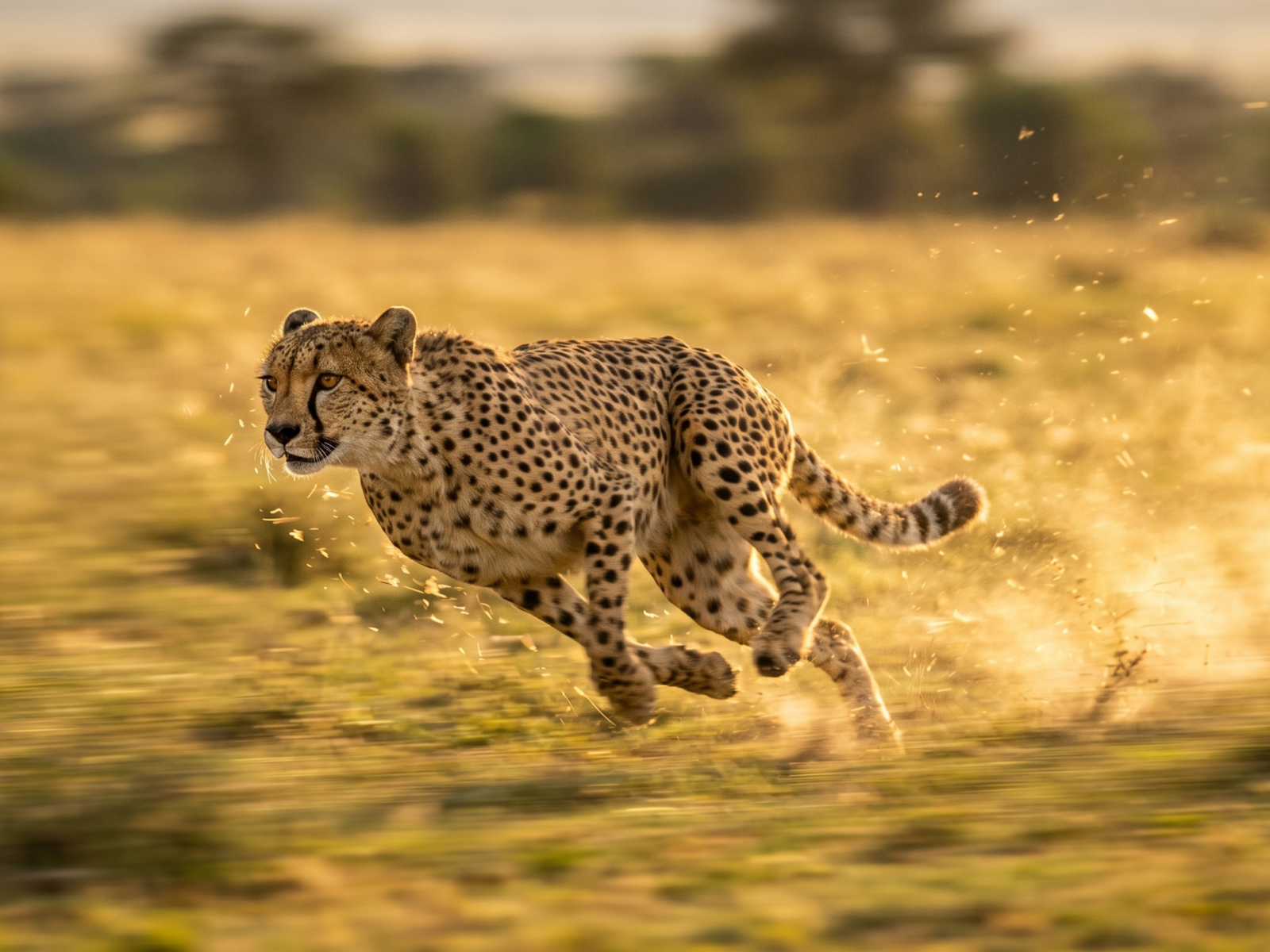
July to September: the migration season everyone talks about
This is the period most travellers associate with the Mara because large wildebeest and zebra herds often move into Kenya from the northern Serengeti.
Late July through September is generally the strongest migration-viewing window, but there is no fixed crossing timetable. The herds respond to rainfall and grazing and can cross, recross, pause or change direction.
River crossings are natural events, not scheduled performances.
August is spectacular — but it is not automatically the best month for everyone
Why August is exceptional
- Large migration concentrations
- Strong river-crossing possibilities
- Excellent predator activity
- Dry-season visibility
The trade-offs
- Highest demand
- Higher lodge rates
- More vehicles in popular Reserve areas
- Premium park-fee season
If your priority is the migration spectacle, those trade-offs may be worth it. If you mainly want lions, elephants, cheetahs and a high-quality safari, other months can be better value and calmer.
January and February: underrated months
These months do not have the famous northern migration herds, but that does not make the Mara empty.
Resident wildlife remains excellent. Shorter grass and generally drier conditions can make game viewing and photography easier, and vehicle pressure is usually much lower than in August.
For a traveller who cares more about big cats, resident wildlife and a relaxed safari than about wildebeest crossings, January or February can be a very strong choice.
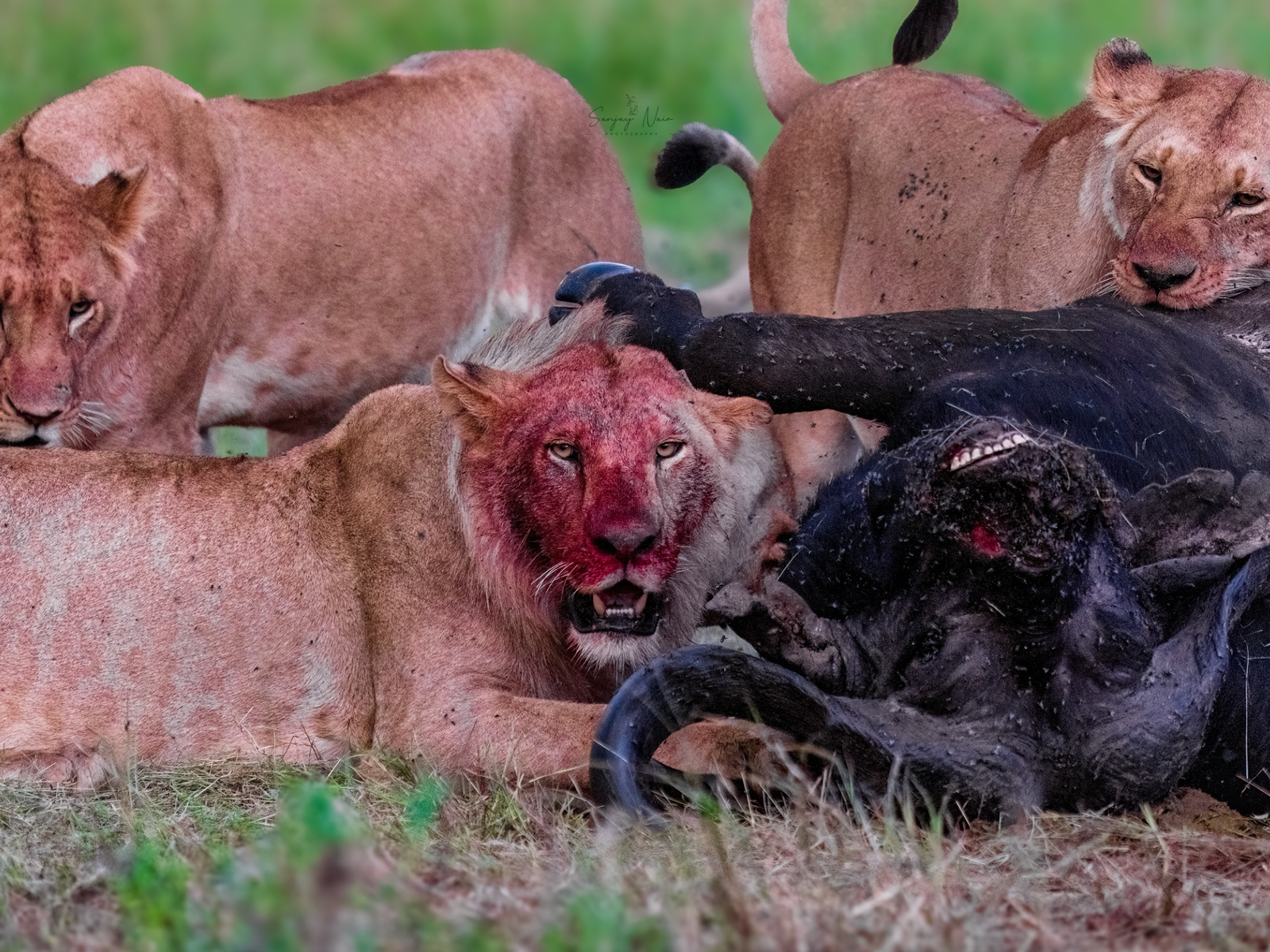
April and May: should you avoid the long rains?
Not automatically — but you should understand the compromise.
Why some travellers love it
- Very green landscape
- Far fewer vehicles
- Dramatic skies and photographic light
- Potentially better lodge value
Why it can be difficult
- Muddy tracks
- Slower road transfers
- Heavy showers
- Some camps may reduce operations seasonally
But it does mean the itinerary needs more tolerance for changing road and track conditions.
June: possibly the best compromise month
June is often overlooked because travellers are waiting for the main migration.
But it can offer:
Excellent resident wildlife
Big cats, elephants, buffalo and plains game are present regardless of the main migration.
Cooler, drier weather
Kenya’s June–August period is climatologically among the cooler and drier parts of the year.
Less peak-season pressure
You arrive before the absolute height of July–August migration demand.
October and November: transition into the short rains
October is a transition month. Migration herds may still be in the Mara, particularly earlier in the month, but movement south becomes increasingly likely as rainfall patterns change.
November typically brings greener conditions and lower visitor pressure. Wildlife viewing remains strong, but rain can make the landscape and daily schedule less predictable.
Think of it as a transition window rather than a fixed extension of August.
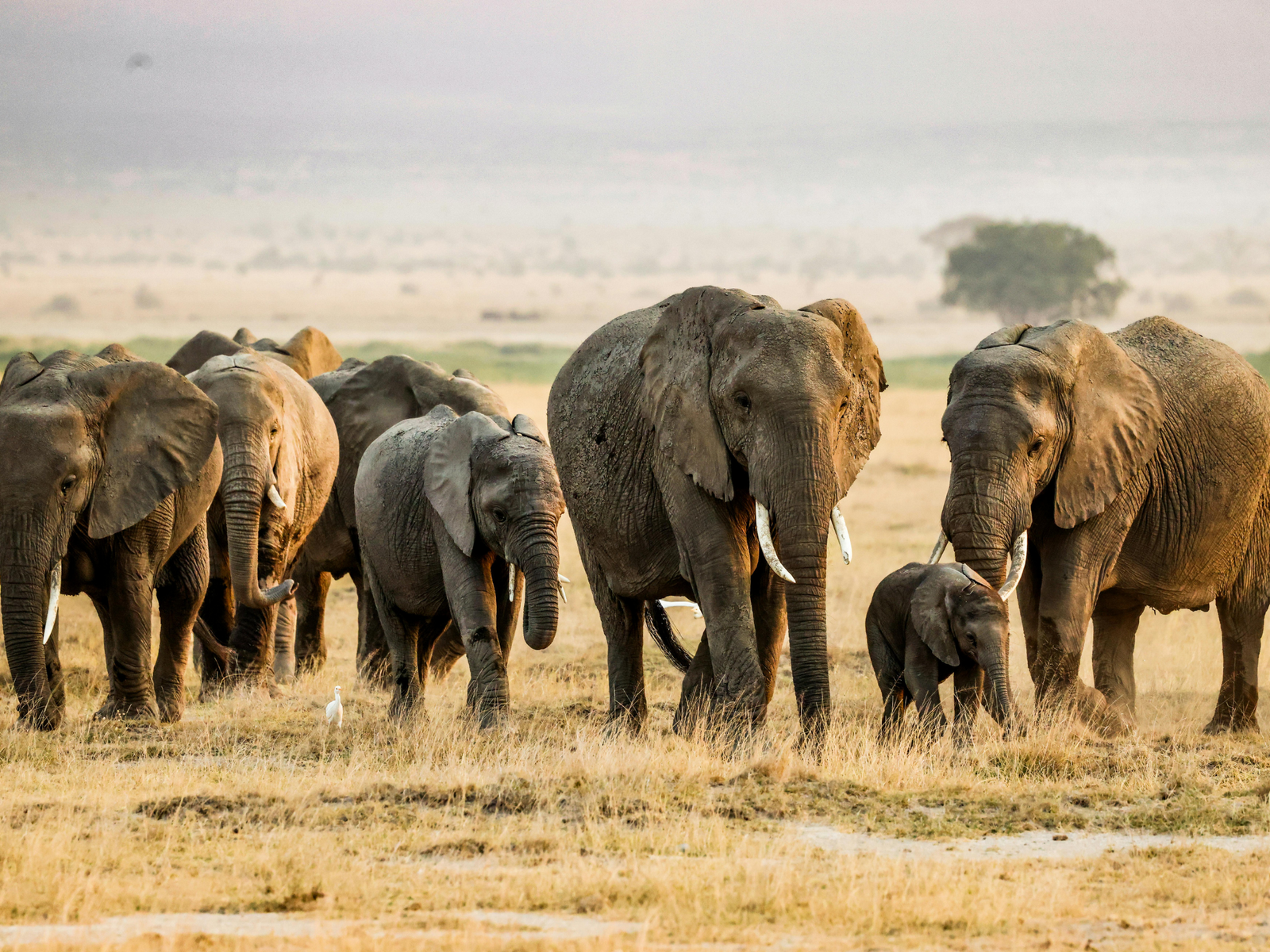
Best time for photography
Photography changes with the season rather than becoming simply better or worse.
- January–February: shorter grass, good visibility and lower traffic.
- June: cooler light and excellent general wildlife.
- July–September: migration drama but more vehicle pressure.
- Green season: saturated landscapes, dramatic skies and softer backgrounds.
For serious photographers, where you stay can matter as much as the month because vehicle density changes the quality of a sighting.
Best time if you hate crowds
Avoid building the trip around the busiest migration weeks.
January, February, June, November and early December can all produce excellent safaris with lower tourism pressure than August.
The resident predator and herbivore populations are one of the reasons the ecosystem works so well year-round.
Weather matters — but it should not be treated like a fixed calendar
Kenya Meteorological Department climate data shows the broad pattern: the March–May long-rains season is wetter, while June–August is typically cooler and drier. The October–December short-rains period brings another rainfall increase.
But individual years can shift significantly. Migration timing responds to rainfall and grass conditions across both Kenya and Tanzania.
Best month by traveller type
| Traveller priority | Strong months to consider | Why |
|---|---|---|
| First safari | June, September, January–February | Strong general wildlife with fewer compromises |
| Great Migration | Late July–September | Best overall chance of large herds and crossings |
| Photography | January–February, June, green season | Different strengths in visibility, light and landscapes |
| Lower crowds | January–June, November | Less peak migration pressure |
| Value-focused | April–May, November | Potentially lower rates, with weather trade-offs |
| Family safari | June, September, December holidays | Good wildlife and practical school-holiday windows |
Our practical recommendation
If migration is the reason for the trip
Target late July through September, stay strategically, and accept higher demand and cost.
If you want the best all-round safari
Look hard at June, September, January or February.
If budget and lower crowds matter
Consider the shoulder and green seasons — but build weather flexibility into the plan.
Planning this with Safari Lab
Safari Lab uses the travel month together with wildlife priorities, crowd tolerance, budget and trip length to recommend when a Mara safari actually makes sense for that client.

4.9/5 · 157 reviews
Frequently asked questions
What is the best month to visit Masai Mara?
There is no universal best month. Late July to September is strongest for migration-focused travel, while June, January and February can be excellent for general wildlife with fewer crowds.
When is the Great Migration in Masai Mara?
Large herds usually begin arriving from July, with late July through September generally offering the strongest migration viewing. Timing varies every year.
Is August the best month?
It is one of the strongest migration months, but it is also one of the busiest and most expensive.
Is June a good month?
Yes. June can offer excellent resident wildlife, cooler and drier conditions, and less migration-season pressure.
Is Masai Mara good in January or February?
Yes. Resident wildlife is strong year-round, and these months can offer good visibility, photography and lower visitor pressure.
Should I avoid April and May?
Not necessarily. These months are wetter and road conditions can be more difficult, but the landscape is lush, crowds are low and value can improve.
Can I see lions outside migration season?
Yes. The Mara has strong resident predator populations throughout the year.
When is the Mara least crowded?
Generally outside the July–September migration peak and major holiday periods.
Can river crossings be predicted?
No. Crossings depend on herd movement, grazing, rainfall and river conditions and cannot be scheduled to a particular day.
Bottom line
The best time to visit the Masai Mara depends on what you want from it.
If the Great Migration is the purpose of the trip, late July to September deserves the premium. If you want resident wildlife, photography, fewer vehicles or better value, the rest of the year becomes much more interesting.