
Masai Mara Reserve vs Conservancy: Which Is Better for Your Safari?
A conservancy is not simply a quieter corner of the National Reserve. It is a different tourism and land-management model inside the wider Greater Mara ecosystem.
The Reserve and the surrounding conservancies are connected ecologically. Wildlife moves across the wider Mara landscape rather than respecting tourism boundaries.
But the visitor experience can be very different because access, vehicle density, activities, fees and camp operating models are not the same.
The useful question is not:
“Which has more animals?”
It is:
“Which operating model gives me the safari I actually want?”
The quick answer
Choose the National Reserve if
You want maximum access to the classic main-reserve geography, especially when specific migration or river-crossing areas are the priority.
Choose a conservancy if
You value lower tourism density, more controlled access and a safari model that may include activities such as night drives or walks depending on the camp and conservancy.
Choose both if
You have enough nights and want the strongest overall first-time Mara experience.
Do not choose by lodge name alone
First understand where the lodge is, where its vehicles can operate, which fees apply and whether Reserve entry is included.
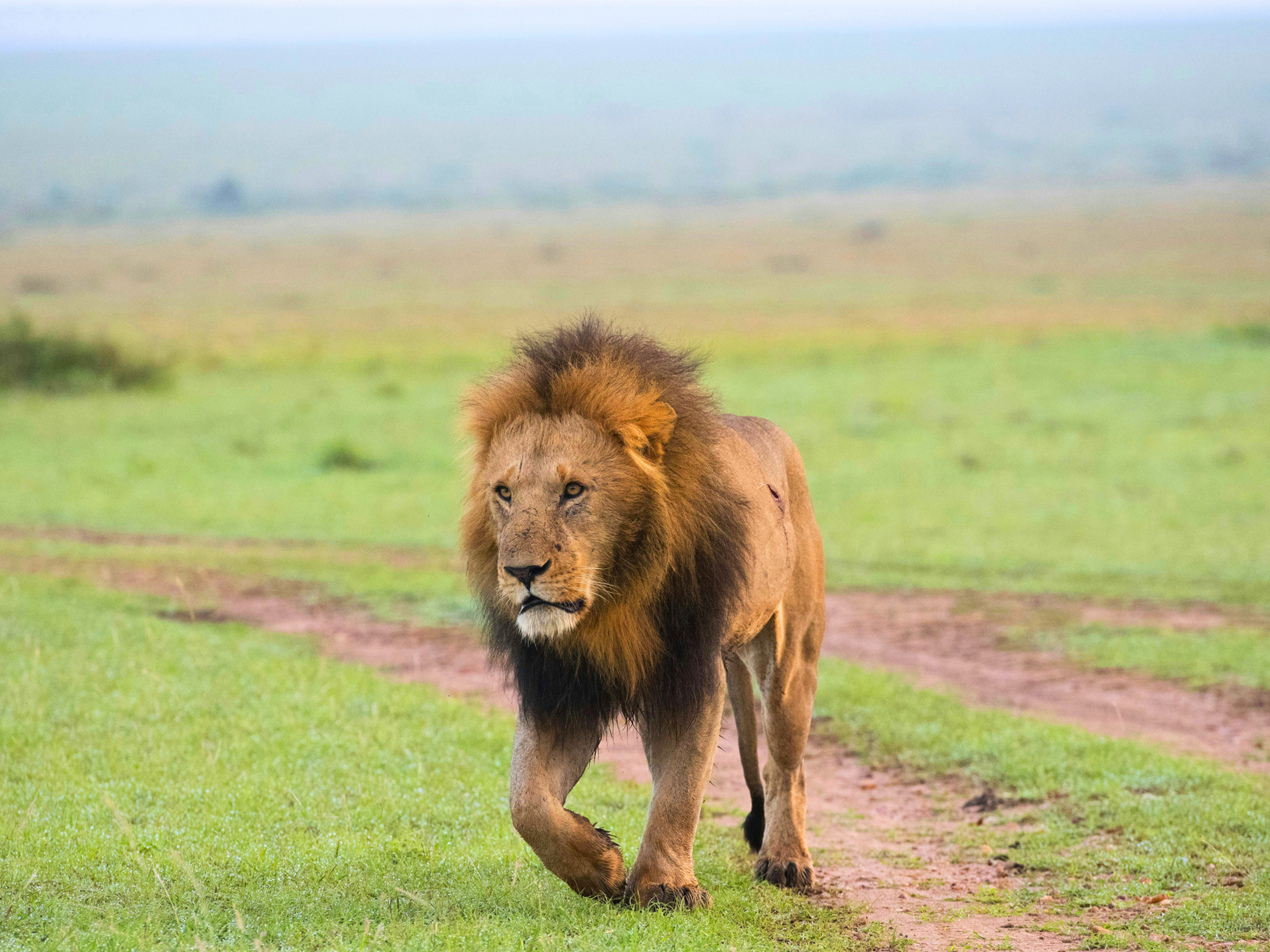
First: what exactly is the Masai Mara National Reserve?
The National Reserve is the main protected reserve most travellers mean when they say “the Masai Mara.” It contains many of the ecosystem’s most famous wildlife landscapes and migration areas.
One important distinction: the Mara Triangle is part of the National Reserve. It is not a private conservancy.
It is a separately managed sector of the National Reserve on the western side of the Mara River.
What is a Mara conservancy?
A conservancy is generally community/private land within the Greater Mara ecosystem managed under conservation and tourism agreements. Maasai landowners retain ownership while tourism and conservation partnerships help keep large areas open for wildlife.
The Maasai Mara Wildlife Conservancies Association describes the model as a partnership between landowners and tourism partners, with lease income and related benefits flowing back to participating landowners.
Access rules, camp numbers, activities, fees and operating practices vary. Treat “conservancy” as a category, not a single product.
The main conservancies worth knowing — and where they are
For a first-time visitor, these are the names that come up most often. Their broad position matters because it changes Reserve access, road logistics and which wildlife areas are closest.
This is a simplified orientation diagram, not a navigation map. For exact boundaries use the official MMWCA conservancy map.
A superb northern conservancy is not automatically the best base for every river crossing, every month or every itinerary.
Mara North
Broad location: north-west / north of the Reserve.
One of the largest and best-established conservancies. Mara North describes itself as a vital corridor immediately north of the National Reserve, adjacent to the Mara River.
Good fit for: lower-density game viewing, strong resident wildlife, photography and travellers who want a mature conservancy model.
Olare Motorogi
Broad location: directly north of the Reserve.
A strategic buffer zone and important wildlife corridor with a strong reputation for big cats and carefully managed tourism.
Good fit for: predator-focused safaris, privacy and high-end conservancy camps.
Naboisho
Broad location: north-east / east of the Reserve.
A large community-led conservancy with tightly controlled tourism numbers and particularly strong predator populations.
Good fit for: first-time conservancy stays, photography, night drives and walking where offered by the camp.
Ol Kinyei
Broad location: east / north-east of the Reserve.
One of the pioneering conservancies and an important dispersal and migration corridor toward the wider Loita landscape.
Good fit for: travellers who want a quieter eastern conservancy model and strong wildlife movement corridors.
Siana
Broad location: eastern Greater Mara around the Sekenani/Siana side.
Relevant for road-based itineraries arriving from Nairobi and for camps operating on the eastern side of the ecosystem.
Good fit for: road itineraries and travellers prioritising eastern-Mara access.
Pardamat
Broad location: farther north/east, linking several conservancy landscapes.
Ecologically important for habitat connectivity and wildlife corridors across the Greater Mara.
Good fit for: travellers interested in the wider conservation landscape rather than only the best-known safari names.
The biggest practical difference: vehicle density
National Reserve
More camps, lodges and outside operators can access the Reserve. During peak migration season or around major predator sightings, vehicle concentrations can become high.
Conservancy
Access is deliberately controlled more tightly. That usually means fewer vehicles and a more managed tourism footprint.
You can still meet other vehicles. The meaningful difference is that tourism density is generally more controlled.
Off-road driving, night drives and walks: the rules are more nuanced than the brochures suggest
Off-road driving
The Reserve is not simply “no off-road.” Rules are zoned and controlled, especially in the Mara Triangle. Conservancies often allow more flexible controlled approaches, but they also have rules designed to protect wildlife and habitat.
Night drives
These are far more associated with conservancy operating models. Specific availability depends on the conservancy and camp.
Walking safaris
More commonly offered in conservancies. Age limits, guide qualifications and camp programmes still matter.
Wildlife: is one actually better?
No useful answer begins with “the Reserve has more animals” or “conservancies have fewer animals.”
The Greater Mara functions as a connected ecosystem. Wildlife moves across boundaries, and conservancies can have exceptional lions, leopards, cheetahs, elephants and plains game.
What changes is your access, vehicle density and the geography around a particular wildlife event.
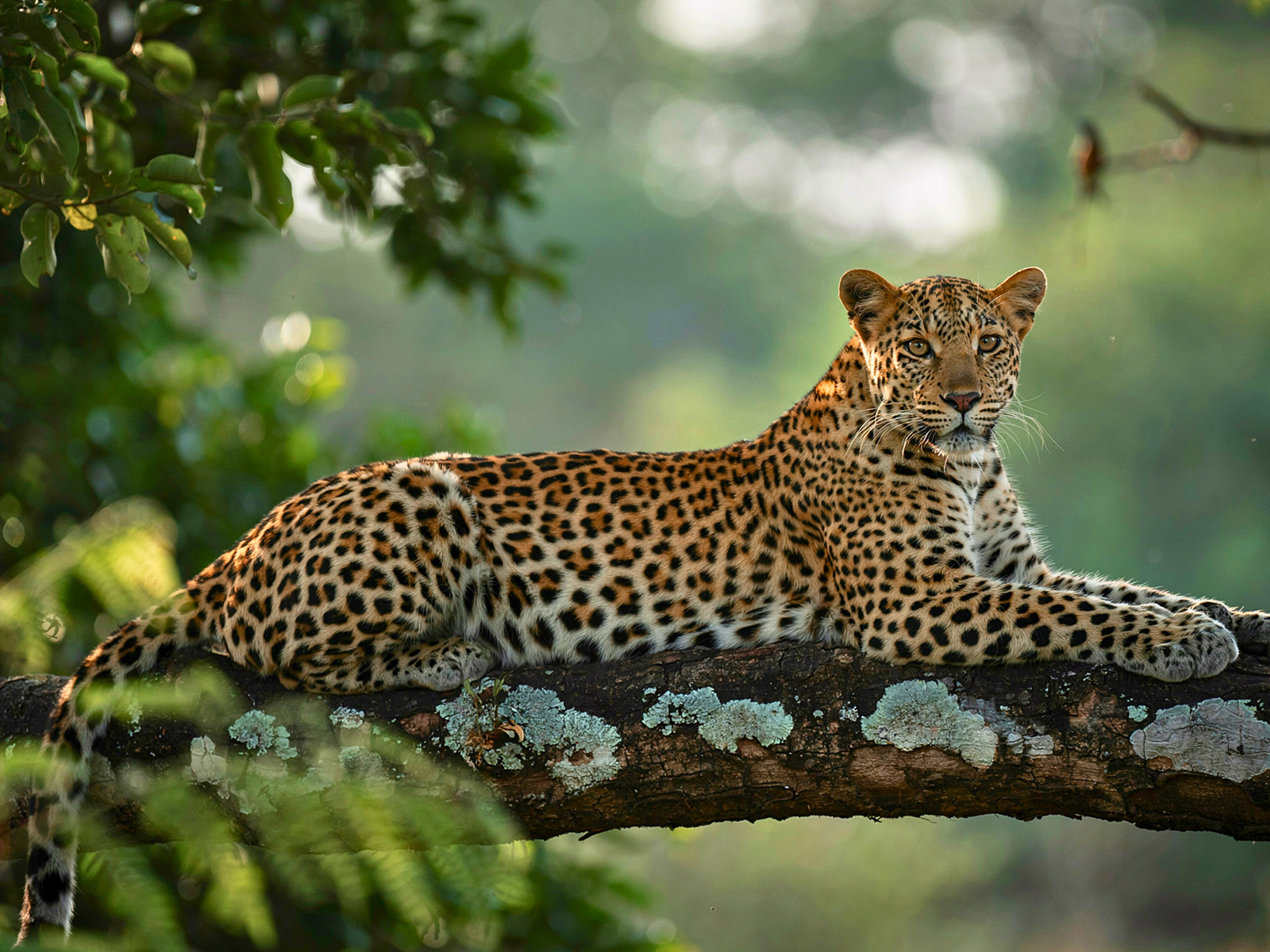
Great Migration: Reserve or conservancy?
The migration moves through a huge ecosystem, so there is no single “migration lodge.” Different months favour different areas.
When Reserve access matters most
If your goal is a specific Mara River crossing area or classic migration geography, access to the National Reserve or Mara Triangle can be critical.
Where conservancies fit
Conservancies can still deliver exceptional migration-season wildlife, often with lower general vehicle density. Some of the strongest itineraries combine a conservancy stay with dedicated Reserve days.
Read the Great Migration guide for the month-by-month geography.
Can conservancy guests enter the Reserve?
Often yes, but do not assume the cost is automatically included.
Possible structure 1
The camp package includes designated Reserve visits and the applicable fees.
Possible structure 2
Reserve fees are charged separately on the days you enter.
What to ask
“Does my quote include both conservancy fees and Masai Mara Reserve fees for every planned Reserve day?”
This is exactly why the total safari structure matters more than the room rate. See Park Fees and Safari Cost.
Can Reserve guests freely enter conservancies?
No — and this is one of the fundamental differences.
A conservancy is not simply another public sector of the Reserve. Access is generally tied to participating accommodation, tourism partners and conservancy arrangements. That controlled access is part of how vehicle numbers are limited.
Accommodation and price: why conservancies often cost more
National Reserve / reserve-gate areas
Much broader accommodation spectrum: budget camps, mid-range lodges, larger properties, tented camps and luxury options.
Conservancies
Inventory is generally more controlled and camps are often smaller. That can mean a higher price point, but the premium may also be buying lower tourism density, conservancy access, additional activities and a different game-drive model.
And a cheaper Reserve lodge does not automatically mean the better-value safari.
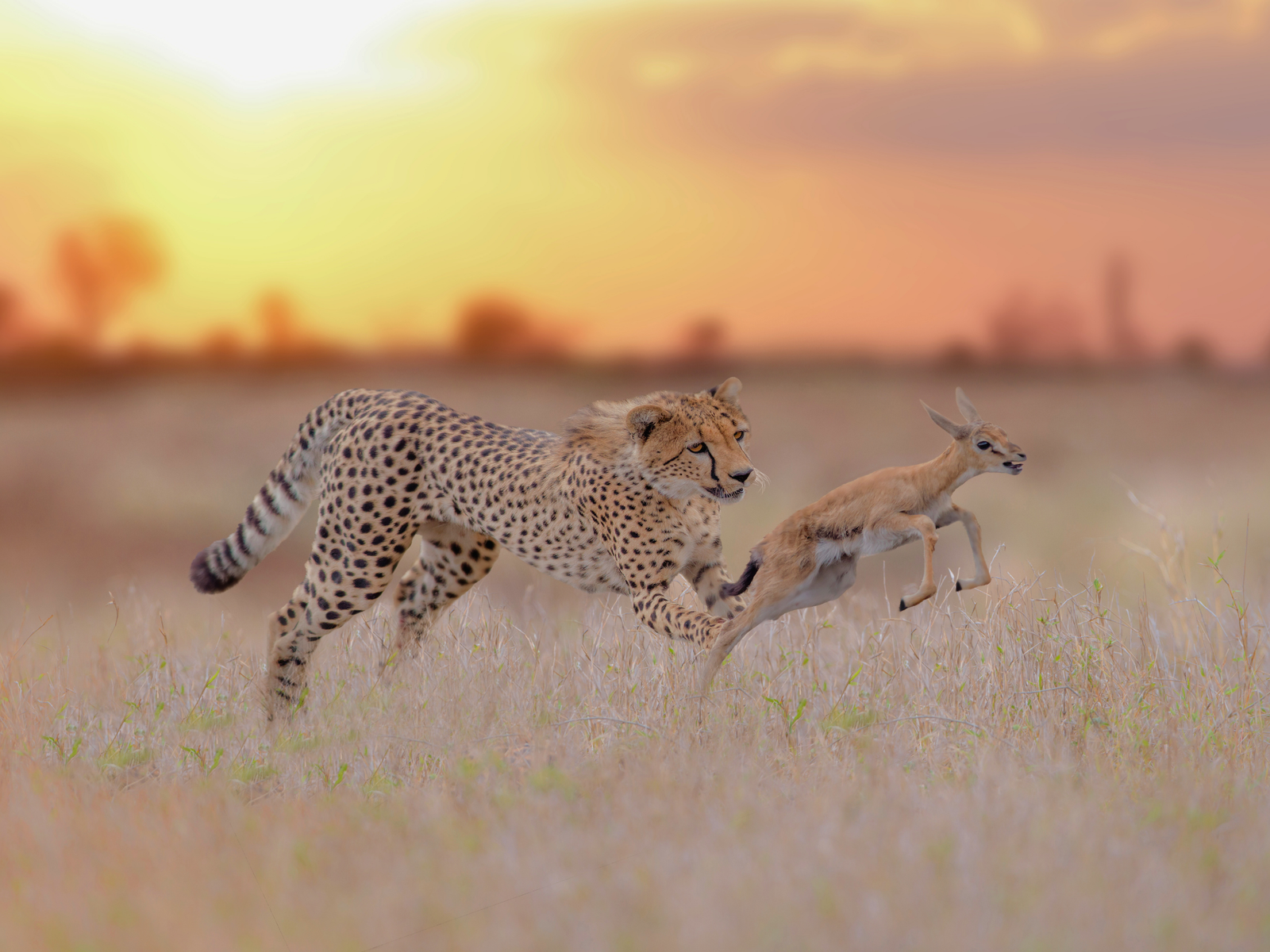
Photography: where does a conservancy really help?
- Lower vehicle density can make positioning easier.
- You may have more time at a sighting without a large crowd building.
- Controlled off-road approaches may be available depending on the conservancy.
- Smaller camp numbers can create a more deliberate photography-focused safari rhythm.
But if a specific crossing, pride or wildlife event is in the Reserve, geography still wins.
Families: Reserve or conservancy?
Reserve can suit families who want
- broader accommodation choice
- more budget flexibility
- a straightforward first Mara safari
Conservancy can suit families who want
- fewer vehicles
- smaller camps
- a quieter operating environment
- walking or night activities where age restrictions allow
For a first safari, do you actually have to choose?
If you have enough nights, often no.
Conservancy nights
Experience controlled access, lower vehicle density and a different safari rhythm.
Reserve nights
Access the classic main-Reserve landscapes and migration geography.
Reserve vs conservancy: the real comparison
| Factor | National Reserve | Conservancy |
|---|---|---|
| Wildlife | Excellent | Excellent |
| Vehicle density | Can be high | More controlled |
| Migration crossing access | Strongest in relevant Reserve areas | Depends on location |
| Night drives | Generally restricted | Often available |
| Walking safaris | Limited / not standard | More commonly offered |
| Off-road driving | Controlled and zoned | Often more flexible but regulated |
| Accommodation range | Very broad | More limited / controlled |
| Budget options | More | Fewer |
| Access | Public subject to fees and rules | Controlled |
| Privacy | Variable | Generally higher |
| Best for | Classic Mara geography | Lower-density safari model |
Six common misconceptions
“Mara Triangle is a conservancy.”
False. It is part of the National Reserve.
“Conservancies have fewer animals.”
False. Wildlife moves through the wider ecosystem.
“You cannot see migration wildlife from a conservancy.”
Too simplistic. Location and month matter.
“Off-roading is completely banned in the Reserve.”
False. Rules are controlled and zoned.
“A conservancy stay automatically includes Reserve access.”
Not necessarily. Check the package and fees.
“Conservancy automatically means luxury.”
No. It describes the land/tourism model, not a hotel star rating.
The conservation difference actually matters
The conservancy model helps protect wildlife dispersal areas outside the formal Reserve while creating direct economic incentives for community/private land to remain open for wildlife.
That matters because the National Reserve cannot function ecologically as an island. Wildlife needs connected habitat beyond the core protected area.
It is also a land-use and habitat-connectivity model.
Our practical recommendation
Choose mainly Reserve if
Migration geography or a specific Reserve wildlife area is the central purpose of the trip.
Choose mainly conservancy if
Lower vehicle density and a more controlled safari environment matter most.
Choose both if
You have enough nights and want the strongest overall first-time experience.
Planning this with Safari Lab
Safari Lab looks at the Reserve–conservancy choice together with lodge location, game-drive rules, budget and the kind of safari experience the client wants. Neither model is automatically better for everyone.

4.9/5 · 157 reviews
Frequently asked questions
Is a conservancy part of Masai Mara?
Conservancies form part of the wider Greater Mara ecosystem but are not the same administrative area as the Masai Mara National Reserve.
Is Mara Triangle a conservancy?
No. The Mara Triangle is a separately managed sector of the Masai Mara National Reserve.
Can animals move between the Reserve and conservancies?
Yes. The wider ecosystem is connected and wildlife moves across these landscapes.
Can conservancy guests enter the Reserve?
Often yes, but Reserve fees and access arrangements depend on the camp/package and should be checked.
Can Reserve guests enter a conservancy?
Not freely. Conservancy access is controlled and generally tied to participating camps and tourism partners.
Which is better for the Great Migration?
It depends on the month and the specific migration geography you want to access. Reserve or Mara Triangle access can be crucial for certain crossing areas.
Which is better for photography?
Conservancies often offer lower vehicle density and more controlled sightings, but the Reserve can be essential when the wildlife event you want is there.
Are conservancies more expensive?
Often, but compare the complete safari product rather than only the room rate.
Can you do night drives in Masai Mara?
Night drives are much more commonly associated with private conservancies. Specific camp and conservancy rules apply.
Are walking safaris allowed?
They are more commonly offered in conservancies, subject to camp programmes, guiding and age restrictions.
Is off-road driving allowed?
Rules vary. The Reserve has controlled/zoned restrictions, while conservancies often have more flexible but still regulated operating practices.
Which is better for a first safari?
If time and budget allow, combining both can be the strongest introduction to the Greater Mara.
Bottom line
The Reserve and conservancies are not competing versions of the same park.
They are different ways of experiencing the same connected Greater Mara ecosystem.
The Reserve gives you access to some of Africa’s most famous wildlife landscapes. Conservancies offer a more controlled tourism model, often with lower vehicle density and a broader range of safari activities.