
Things to Do in Masai Mara Beyond Game Drives
Ballooning, walking, birding, village visits, night drives and bush experiences can add depth to a Mara safari — but only if they fit the location, rules and number of nights you actually have.
The short answer
A game drive is still the centre of a Masai Mara safari. If wildlife is the reason you are travelling, the quality of your guide, vehicle, location and time in the field matter more than how many extras you add.
The most worthwhile additions are usually a hot-air balloon safari, a well-run Maasai village visit, specialist birding and — if you are staying in the right conservancy or private area — a guided walk, night drive, sundowner or other low-impact bush experience.
What is available where?
| Activity | National Reserve / Mara Triangle | Conservancy / private area |
|---|---|---|
| Daytime game drives | Yes | Yes |
| Hot-air ballooning | Available through authorised operators | Available from selected areas/operators |
| Birding & photography | Yes | Yes |
| Guided walking | Not a standard permitted Reserve activity | Available in selected conservancies/properties |
| Night drives | Not permitted inside the Reserve or Mara Triangle | Available in selected conservancies |
| Horse riding / cycling | Not standard Reserve activities | Selected private/conservancy areas only |
| Sundowners / bush meals | Property and designated-location dependent | More commonly arranged where local rules permit |
| Maasai cultural visit | Usually on community/private land outside the core Reserve | Commonly arranged through camps and local communities |
If activities are important to you, choose the area and property around them rather than booking first and asking later. See Reserve vs Conservancy for the operating differences.
1. Hot-air balloon safari
This is the best-known non-game-drive experience in the Mara, and one of the few that genuinely changes your perspective rather than simply changing the vehicle.
You are collected before sunrise, transferred to the launch area, briefed by the pilot and — if weather conditions allow — airborne around dawn. The balloon follows the wind. It cannot be steered toward a lion pride, a herd or a river crossing.
The value is the scale: rivers, tracks, open plains, herds and the first light of the day make sense from above in a way they do not from ground level.
2. Maasai village visit
A village visit can be one of the most interesting human parts of a Mara itinerary, but the quality varies. Some visits feel personal and informative; others can feel rushed, highly scripted or centred mainly around souvenir sales.
A typical visit may include an introduction to the village, discussion of livestock and family life, traditional homes, songs or jumping demonstrations and time to speak with residents. Photography, contributions and purchases should be discussed openly rather than assumed.
The Maasai are a contemporary community, not a museum exhibit. The most useful conversations are often about education, livestock, conservation, land, changing livelihoods and how tourism fits into local life.
3. Guided walking safari
Walking changes what you notice. Instead of covering kilometres between sightings, the emphasis shifts to tracks, dung, plants, insects, birds, bones, wind direction and the smaller signs that are easy to miss from a Land Cruiser.
This is where geography matters. Walking should not be advertised as something you can casually add to any National Reserve itinerary. It is more commonly offered by selected conservancies and private properties with the appropriate guides and operating permissions.
Duration, minimum age, guide setup and whether the walk is a short nature walk or a more serious bush walk vary by property. If walking matters to you, confirm it before choosing the camp.
4. Night game drive
A night drive is one of the strongest reasons to consider a conservancy stay. The ecosystem feels different after dark: the focus moves away from the same daytime rhythm and toward nocturnal behaviour, calls, movement and species that are easier to encounter at night.
Night drives are not permitted inside the National Reserve or Mara Triangle. Selected conservancies allow them under their own operating rules, usually through the camp’s vehicles and guides.
Worth doing when
You already have enough daytime wildlife hours and your conservancy stay includes or can properly arrange a night drive.
Not worth forcing when
You have only two or three Mara nights and adding it means sacrificing your strongest morning or afternoon field time.
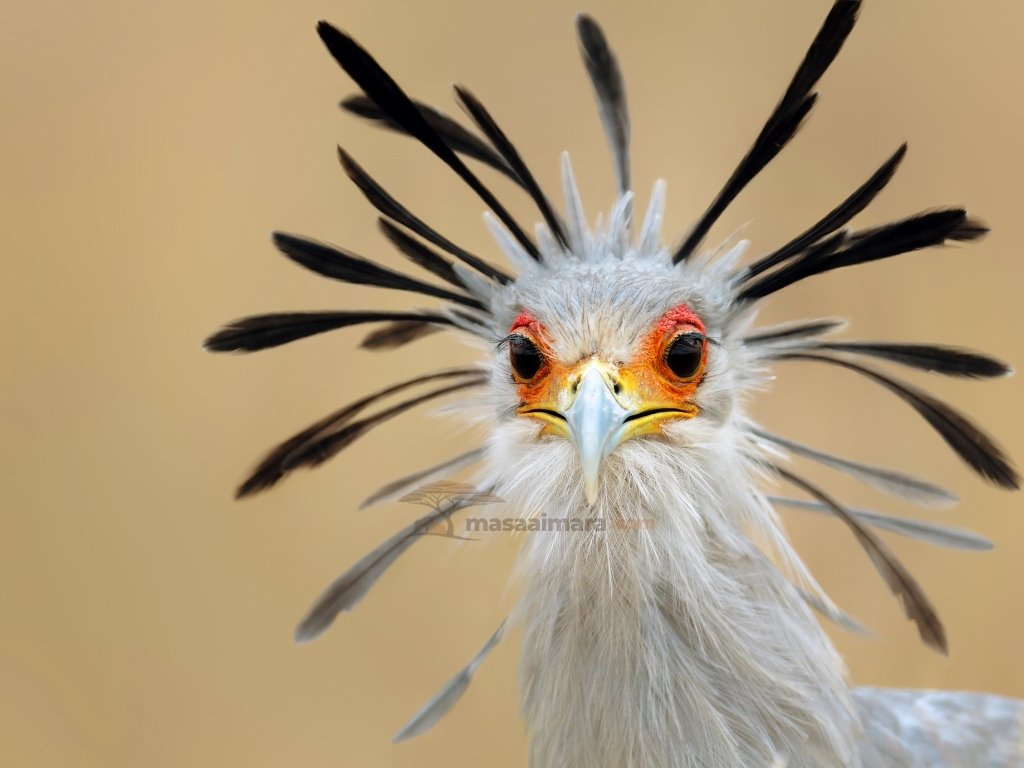
5. Birding — even if you are not a birder
The Mara becomes much more interesting once birds stop being treated as background. Secretary birds crossing the grass, vultures reading a carcass from the sky, rollers on roadside perches, cranes in wetter country and raptors working thermals all add another layer to a normal safari.
You do not need to turn the trip into a checklist. Even one deliberately slow bird-focused drive can change the way you read the landscape.
If birding is a serious priority, say so before guide allocation. A specialist guide will notice calls, larks, cisticolas and habitat-specific species that a general big-game drive may move past.
6. Sundowners
A sundowner is simple: stop at a safe, permitted location near the end of the day and have a drink while the light changes over the plains.
It works because it slows the trip down. After several days built around sightings, radios and camera lenses, twenty quiet minutes can be more memorable than another rushed stop.
Availability depends on where you are staying and what the property is allowed to arrange. Conservancies and private properties generally have more flexibility than a Reserve-only itinerary. Do not assume your driver can simply stop anywhere and set up drinks.
7. Bush breakfast or bush dining
Some camps and lodges arrange breakfast, lunch or dinner away from the main dining room. Done well, it is less about elaborate decor and more about changing the setting.
A bush breakfast can also have a practical advantage when it keeps you in the field after an early drive instead of forcing a return to camp. But whether this works depends on the property, operating area and how the day’s wildlife plan is structured.
Ask whether the experience is included, complimentary, chargeable, private or shared and whether weather or local rules can change the setup.
8. Horse riding, cycling and other conservancy activities
Selected parts of the Greater Mara offer experiences that would be unusual or inappropriate inside the main Reserve — including horse riding, cycling, longer nature walks and other property-specific activities.
These are not universal Mara activities. If riding, cycling or another active experience is important, choose the conservancy and accommodation specifically around that requirement.
9. Spend time at the camp
This sounds obvious, but it is one of the most overlooked parts of a longer safari. A good camp is not only somewhere to sleep between drives.
A late breakfast, watching wildlife from a deck, reading through the hot part of the day or simply listening to the bush can stop the trip from becoming an exhausting sequence of alarms and vehicle hours.
This is one reason four nights often feels qualitatively different from two or three. There is finally room to enjoy where you are staying without feeling that every hour away from the vehicle is wasted.
What should you skip if time is tight?
If you have only two or three nights in the Mara, keep the trip wildlife-first. Do not fill prime morning and evening game-drive windows with activities simply because they appear on a lodge brochure.
Protect first
Enough useful game-drive time.
Protect second
A good guide, private vehicle where budget allows, and the right location.
Add after that
One or two experiences that genuinely change the perspective of the trip.
Read Masai Mara Game Drives and How Many Nights in Masai Mara? before filling the itinerary with extras.
How many extras should you add?
| Mara stay | Practical approach |
|---|---|
| 2 nights | Usually none. Prioritise wildlife unless ballooning is a major personal priority. |
| 3 nights | One meaningful addition can fit without making the safari feel over-programmed. |
| 4 nights | Enough room for a balloon, village visit, walk or slower camp experience alongside strong wildlife time. |
| 5+ nights | You can combine different rhythms — game drives, one or two specialist activities and genuine downtime. |
This is not a rigid rule. Flight times, lodge location, transfer days and whether you are in the Reserve or a conservancy can change the calculation.
Frequently asked questions
Can you walk in Masai Mara?
Guided walking is available in selected parts of the Greater Mara, especially conservancies and private areas. It is not a standard permitted National Reserve activity.
Can you do night game drives?
Not inside the National Reserve or Mara Triangle. Selected surrounding conservancies offer night drives under their own operating rules.
Is a balloon safari worth it?
It can be, if the aerial experience genuinely appeals to you and the cost does not force you to cut something more important such as a Mara night or private vehicle.
Is a Maasai village visit worth doing?
Yes, when it is well run, respectful and gives you real interaction rather than only a short performance and sales stop.
Should I add activities on my first Mara safari?
Yes, but selectively. The strongest first safari is not the one with the longest activity list. It is the one with enough time for the Mara itself.
Related planning guides
Safari Lab field view
The Mara does not need to be padded with activities to become interesting. An hour with elephants, twenty minutes watching vultures, a quiet breakfast in camp or waiting with a predator can fill a day without any organised extra at all.
Add experiences when they change the perspective of the trip: ballooning for scale, walking for detail, a village visit for culture, birding for ecology, a night drive for a different rhythm.