Short on time?Read the 60-second summary
Jump to section
Best Time to Visit Masai Mara: Month-by-Month 2026 Guide
The best month is not always the month with the most wildebeest. Price bands, grass height, road conditions, crowding, predator behaviour and where the herds actually are can matter just as much.
We plan Mara safaris throughout the year, and one thing becomes obvious very quickly: the standard “July to October is best” advice is too blunt to be genuinely useful.
The Mara is a year-round predator landscape. Lions, cheetahs, leopards, hyenas, elephants, buffalo, giraffes and resident plains game do not disappear when the migration moves south.
What changes through the year is the type of safari you are buying: migration drama, green-season atmosphere, lower rates, shorter grass, fewer vehicles, better road conditions, or some combination of those.
The useful question is not:
“What is the best month?”
It is:
“What do I want the Mara to feel like?”
Our quick answer
For migration drama
Late July to September remains the strongest broad window for large herds and Mara River crossing opportunities.
For value + wildlife
Late May and June are far more interesting than most first-time visitors realise.
For fewer vehicles
January–June and November generally feel calmer than peak migration season.
For green landscapes
April, May and November can transform the look of the Mara completely.
For photography
There is no one winner: short grass, green backgrounds, storm light and low vehicle density peak at different times.
Our sleeper month
May. Not for everyone, but one of our personal favourite ways to experience the Mara.
First understand the price seasons — not just the weather seasons
One of the most useful things missing from generic “best time” guides is that Mara pricing does not move in a simple straight line with rainfall.
| Typical pricing period | Months | What it usually means |
|---|---|---|
| Low / green season | Often April–May, sometimes parts of November | Some of the lowest room rates of the year, fewer vehicles, but weather and camp closures can become relevant. |
| Shoulder season | Often June and parts of November / early December | Roads and weather may improve before peak rates fully arrive. This can be the sweet spot. |
| Peak / migration season | Usually July–October | Highest demand, strongest migration positioning and often the highest accommodation rates. |
| Festive season | Christmas / New Year | High demand can return even though it is not peak migration season. |
Exact dates differ by property. Some camps change bands on 1 June, some on 15 June, some on 1 July. That is why we compare actual date-specific rates rather than saying “June is cheap” or “November is low season.”
Month by month: what the Mara actually feels like
Good general wildlife, lower traffic than migration season and often clearer viewing through shorter grass.
Warm, often relatively dry, with strong resident predator viewing and fewer vehicles than peak season.
Weather becomes less predictable. The landscape begins changing before the long rains.
Green, dramatic and quiet. Some camps reduce operations or close; road conditions need to be checked carefully.
Extremely green, low traffic, atmospheric skies and often excellent value — with real weather compromises.
Roads firm up, the Mara is still green, resident wildlife is excellent and early migration arrivals are possible.
Herds begin spreading into Kenya in greater numbers. Prices and traffic rise quickly.
Huge wildlife spectacle and the greatest crowd pressure of the year in popular crossing areas.
Migration remains strong; in some areas the safari can feel marginally less frantic than August.
Excellent wildlife; migration may remain but should never be assumed for the whole month.
Greener landscapes, fewer visitors and often lower rates, with showers and changing tracks.
Good resident wildlife and fresh landscapes; festive dates can be expensive despite being outside migration peak.
Why May is one of our personal favourite months
May is not the month we recommend blindly. It is the month we recommend when we know exactly what the guest values.
The Mara can be intensely green. Storm clouds can turn an ordinary afternoon into extraordinary photography. Vehicle numbers can be dramatically lower than in August, and a predator sighting that would draw a crowd in peak season may have only a handful of vehicles around it.
For repeat visitors, photographers and travellers who care more about atmosphere and behaviour than seeing a river crossing, May can be superb.
The trade-off is real
- Black-cotton soil can become difficult after sustained rain
- Some tracks become slow or temporarily unusable
- Road transfers can take longer
- Some seasonal camps close for part of the rains
- Plans need more flexibility than in August
It is a more variable safari. That is very different.
June is the month we watch most closely
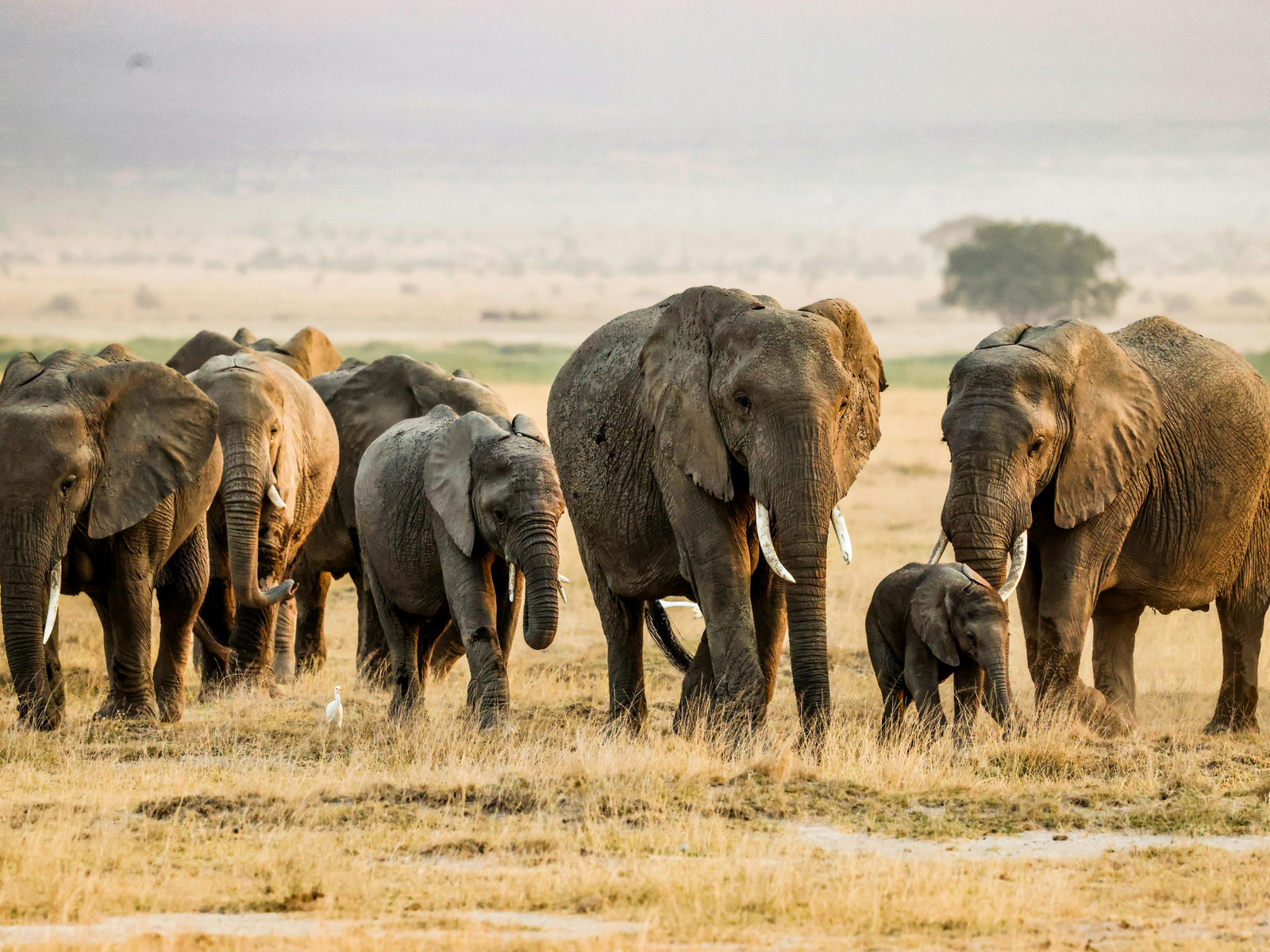
June is often described as merely “the month before migration.” That undersells it.
By June, the long rains are normally easing, roads are improving, the Mara can still retain its green-season look and visitor numbers have not yet reached July–August levels.
There is also a major pricing advantage: the Masai Mara National Reserve non-resident adult fee remains USD 100 per day through June, before rising to USD 200 per day from July.
And some years the migration itself begins arriving early.
That does not mean every June will look like 2026. It means the migration can push north early when rainfall and grazing conditions favour it — which is exactly why we watch current herd movement rather than treating July as a fixed starting line.
July to September: still the migration window — but choose the month deliberately
July
Exciting because the migration is building, but the herds can still be unevenly distributed. Early July is not the same product as late July.
August
The biggest combination of herd concentrations, crossing opportunities, demand and traffic. Worth it if the migration spectacle is the point of the trip.
September
Still an excellent migration month, often with strong predator activity. Some travellers find it a slightly better balance than August.
Crossings remain unpredictable in all three months. Herds can gather at a riverbank for hours, turn away, cross at night, cross somewhere else or recross in the opposite direction.
If you are paying peak-season rates because you want a crossing, the best thing you can buy is time in the right area — not a promise.
Peak season costs more for more than one reason
Accommodation rates usually rise sharply in July–October, but the room price is only part of the story.
- The Reserve fee doubles for non-resident adults from July onward
- Prime camps sell earlier
- Private vehicles become more expensive or harder to secure
- Internal flights can fill quickly
- Premium river-area properties command a significant migration-season premium
This is why a June safari and an August safari using superficially similar camps can end up with very different total costs.
January and February: much better than “no migration” makes them sound
If the Great Migration is not your primary objective, these are months we would look at seriously.
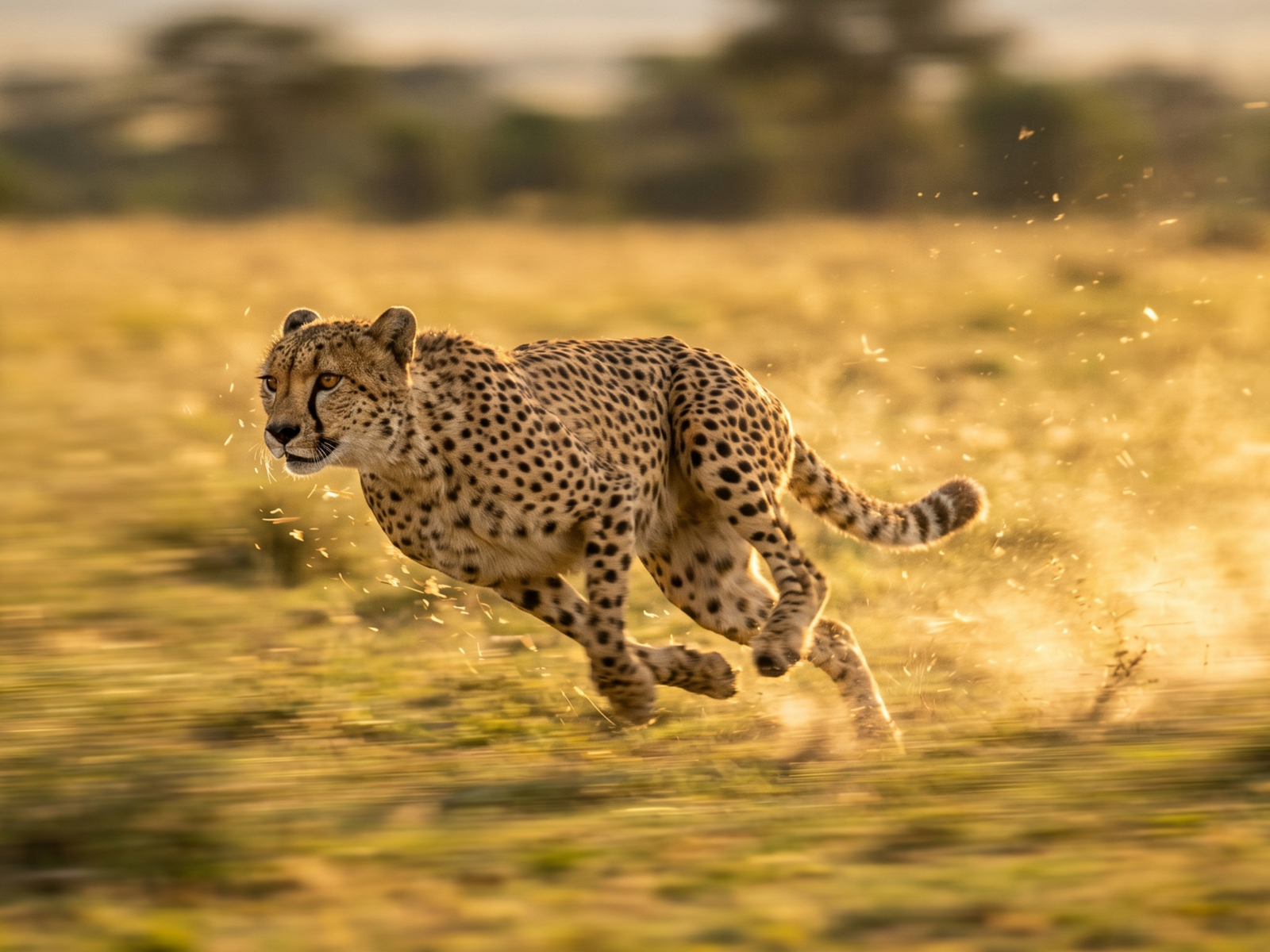
Resident big cats remain in the Mara. The landscape is generally more open than after the long rains, game viewing can be excellent, and tourism pressure is much lower than in August.
For photographers, that can mean cleaner vehicle positioning and more patience at sightings. For a first-time visitor who mainly wants lions, cheetahs, elephants, giraffes and general wildlife rather than a river crossing, January or February can be a very rational choice.
October and November are not the same season
October is a transition month. In some years substantial herds remain in Kenya well into the month; in others the southward movement accelerates earlier.
November is different again. Short rains can bring back green colour remarkably quickly, tourist numbers are lower and some properties reduce rates. For travellers who enjoy landscapes and resident wildlife, that can be attractive.
Both months sit inside highly variable weather and movement patterns.
What the grass does matters more than most visitors realise
Season changes visibility as much as it changes wildlife.
Shorter, drier grass
Animals can be easier to spot and photograph, but backgrounds become more golden and dustier.
Green-season growth
Wildlife can disappear into vegetation more easily, but the visual quality of the Mara can be extraordinary.
After grazing pressure
Migration herds can crop large areas very short, which can dramatically change visibility over only a few weeks.
Road conditions: “rainy season” is too broad a description
The Mara has very different soil and track conditions depending on where you are. Some black-cotton sections become difficult quickly after heavy rainfall, while other tracks remain usable.
The practical question is not merely “Will it rain?” It is:
- Which gate are you using?
- Which camp are you staying at?
- How far is the road transfer?
- Are you inside the Reserve or a conservancy?
- Does the itinerary depend on crossing difficult sections every day?
Photography: every season gives something and takes something away
| Period | Photography advantage | Compromise |
|---|---|---|
| Jan–Feb | Open visibility, lower traffic, cleaner sighting conditions | Less dramatic green-season atmosphere |
| Apr–May | Storm skies, saturated greens, low vehicle density | Taller grass, wet tracks, more difficult access |
| June | Green-to-gold transition, cool mornings, low-to-moderate traffic | Migration may still be scattered |
| Jul–Sep | Migration scale, dust, action and river drama | Vehicle pressure can compromise clean compositions |
| Nov | Fresh green backgrounds and atmospheric skies | Changing weather and track conditions |
For a serious photographer, where you stay and the vehicle rules in that area can matter as much as the month.
If you hate crowds, do not automatically book August
This sounds obvious, but it is one of the most common mismatches we see.
If a guest says their priorities are quiet sightings, photography, behaviour and time with individual animals — but they do not particularly care about a river crossing — then paying the August premium can actually buy them the opposite of what they value.
January, February, May, June and November can all make more sense depending on weather tolerance and budget.
Who should still pay for peak migration season?
There are travellers for whom July–September absolutely makes sense.
- It is your first African safari and the migration is the emotional reason for the trip
- You specifically want the scale of the herds
- You want a realistic chance of witnessing a Mara River crossing
- You have enough nights to wait rather than chase one specific crossing point
- You accept the higher rates and vehicle density as part of the trade-off
For that traveller, trying to save money by moving the trip to May can completely miss the point.
Best month by traveller type
| Traveller | Months we would seriously consider | Why |
|---|---|---|
| First safari, migration is the dream | Late Jul–Sep | Best broad migration window |
| First safari, general wildlife matters more | Jan–Feb, Jun, Sep | Strong wildlife with different crowd/cost trade-offs |
| Repeat Mara visitor | May, Jun, Nov | A very different visual and behavioural experience |
| Photographer | Jan–Feb, May–Jun, Nov | Lower traffic or stronger atmosphere depending on style |
| Value-focused | May, Jun, Nov | Potentially lower room rates and lower park-fee exposure before July |
| Crowd-averse | Jan–Jun, Nov | Avoids the heaviest migration-season pressure |
| Family constrained by school holidays | Jun, Sep, Dec | Practical timing with strong resident wildlife |
Our practical recommendation
If migration is the reason for the trip
Target late July through September. Stay strategically and spend enough nights in the right area.
If you want our favourite value window
Look hard at late May and June, especially if your dates are flexible.
If you want atmosphere over spectacle
Consider May or November and build weather flexibility into the plan.
How Safari Lab actually chooses the month
We do not begin with a generic “best season” chart. We start with the client’s priority: migration, big cats, photography, crowds, budget, road tolerance and number of nights.
Then we compare the exact areas and property rate bands for those dates. In shoulder months, moving a trip by even a week can improve the combination of price, weather and wildlife.
That is why two guests asking for “the best time for the Mara” may receive completely different answers from us.

Frequently asked questions
What is the best month to visit Masai Mara?
There is no universal best month. Late July to September is strongest for migration-focused travel, while June, January and February can be excellent for resident wildlife. May is particularly attractive for experienced or crowd-averse travellers who are comfortable with wetter conditions.
Why does Safari Lab like May?
Because it can combine low vehicle numbers, dramatic green landscapes, excellent resident wildlife and lower seasonal rates. The trade-off is rain, mud, changing road conditions and some seasonal camp closures.
Is June too early for the migration?
Not necessarily. The main migration is usually still further south or moving north, but early arrivals can occur. In June 2026, the Mara Triangle recorded the first herds during the month and the first Sand River entry into the Main Reserve on 28 June.
When do park fees become more expensive?
For non-resident adults, the current Masai Mara National Reserve fee is USD 100 per day from January through June and USD 200 per day from July through December.
Is August always the best safari month?
No. It is one of the strongest migration months, but it is also among the busiest and most expensive. If migration is not your main objective, another month may suit you better.
Are April and May too wet?
They can be wet enough to affect tracks and transfers, but rain does not automatically mean poor wildlife viewing. These months can be outstanding for green landscapes, low traffic and atmospheric photography.
Can river crossings be predicted?
No. Herd movement, grazing, rain and river conditions determine when and where crossings happen.
Bottom line
If you remember only one thing, make it this:
Choose what you want from the Mara, then find the month, area and price band that best deliver that experience.
Peak migration is extraordinary. It is simply not the only version of the Mara worth travelling for.
2026 field/research note: This guide uses the current 2026 Masai Mara National Reserve fee structure and June 2026 Mara Conservancy field reporting, which documented the first wildebeest herds in the Mara Triangle during June and the first Sand River entry into the Main Reserve on 28 June. Seasonal lodge rate bands vary by property and exact dates.