
Short on time?Read the 60-second summary
Jump to section
The Masai Mara is one of those places people often pack for incorrectly.
They hear “Africa” and imagine heat. Then they climb into a safari vehicle at 6am in July wearing a T-shirt and discover very quickly that the Mara can feel surprisingly cold.
At other times of year, the problem is completely different. You may have warm sunshine one moment and a heavy shower half an hour later. In the dry months, dust can get everywhere. In the wet months, mud and dirty road spray can coat your trousers, shoes and camera bags.
And in May — one of our favourite times in the Mara — you may experience several of those things on the same safari.
The first thing to understand: the Mara is not generally extremely hot
The Masai Mara sits at elevation, which keeps temperatures considerably more comfortable than many first-time travellers expect. For much of the year, daytime temperatures are pleasant rather than scorching.
The bigger surprise is often the morning. Before sunrise, temperatures can drop into the low teens Celsius and occasionally below that, particularly in the cooler months. Then add the wind created by a moving safari vehicle and a temperature that looks perfectly manageable on an app can feel considerably colder.
The coldest part of a safari day is often the first hour
July and August are when this is most obvious. You may leave camp before sunrise wearing a T-shirt, fleece, jacket, long trousers and perhaps even a scarf or beanie. By 9 or 10am, you may be removing half of it.
February mornings can also feel unexpectedly cool. So can June, September and some wet-season mornings. This is why we recommend layers rather than one enormous winter jacket.
What should you actually wear on a morning game drive?
A practical setup is a T-shirt or light shirt, fleece or warm mid-layer, wind-resistant outer jacket, long trousers, comfortable shoes, hat or cap, sunglasses and a buff or scarf. In wetter months, add a lightweight rain jacket and water-resistant footwear if you have it.
The key is being able to remove layers quickly as the temperature changes.
Do not pack for “Africa”
Pack for the Mara. This is particularly relevant for Indian travellers. A lot of people mentally equate Kenya with Rajasthan-style heat. The Mara is not Rajasthan.
A dawn drive in July can feel cold. A cloudy May morning can feel cool and damp. An August afternoon may be warm but dusty rather than hot. A November shower can make the temperature drop quickly.
Dry season does not mean perfect weather
The classic dry months are roughly June through October, although the boundaries are not exact. These months generally bring firmer roads, lower rainfall, less mud, cooler mornings, more dust and larger visitor numbers during peak periods.
People often describe this as the “best weather”. That is too simplistic. Dry weather makes driving easier. It does not automatically make the safari better.
Dust can be one of the biggest practical irritations
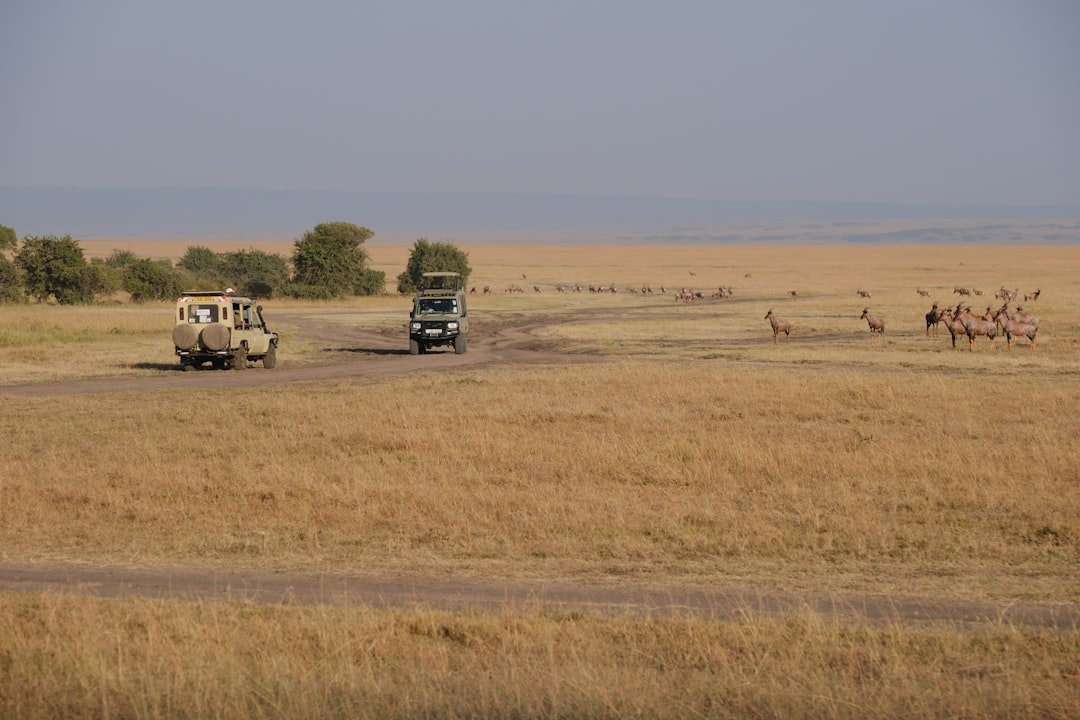
By July, August and September, some Mara tracks become extremely dusty. One vehicle passes another and you can suddenly be sitting inside a cloud of fine brown dust.
That dust gets into your hair, eyes, nose, clothes, camera bags, lens barrels, vehicle seats and everything you thought was zipped shut.
A lightweight buff or scarf is one of the most useful things you can pack because it can cover your mouth and nose on dusty stretches and double as protection against early-morning wind and sun.
Photographers need to take dust seriously
During dry periods, avoid changing lenses unnecessarily in dusty conditions, keep camera bags closed, use a blower or proper cleaning cloth, cover unused gear and avoid placing equipment directly on dusty vehicle surfaces.
We have photographed extensively in the Mara, and dust is one of the things we pay far more attention to than most first-time visitors expect.
Then comes the wet season
The Mara’s main rains generally build through March and are strongest around April and May. There is also a shorter rainy period around October–December.
But the phrase “rainy season” can be misleading. It does not necessarily mean twelve hours of continuous rain every day. A wet-season safari can involve blue sky in the morning, sunshine for several hours, dramatic clouds building, a heavy downpour, rain stopping and beautiful evening light. It can also involve persistent rain and very difficult roads.
Rain does not automatically ruin a safari
Wildlife does not disappear because it rains. Cooler and cloudy weather can sometimes make game viewing excellent. Predators may remain active longer, animals move more freely without intense midday heat, dust disappears and photography can become beautiful.
A dark storm cloud behind a lion on bright green grass can produce much more interesting photographs than a cloudless blue sky.
The real wet-season problem is access
Heavy rain becomes a problem when roads and bridges are affected. Tracks can become deeply muddy, slippery, waterlogged or temporarily impassable. Vehicles may need different routes and after unusually heavy rain localised flooding can genuinely disrupt transfers or camp access.
That is the real wet-season trade-off — not whether you need an umbrella.
April is probably the month with the highest weather uncertainty
April sits in the core long-rains period. You can get stunning green landscapes, dramatic weather, very few vehicles and excellent wildlife, but you also accept a greater possibility of persistent rain, difficult tracks and wetter transfers.
We would not call April a bad safari month. We would call it less predictable.
May is one of our favourite months in the Mara
This is where our view differs from the standard safari calendar. May often gets described as a month to avoid because it is wet. We disagree.
The landscape can be spectacular. The plains turn intensely green. Dust disappears. The skies become dramatic. There are fewer safari vehicles. The whole ecosystem feels quieter.
From a photography point of view, the combination of green grass, dark clouds, softer light and fewer vehicles can be superb.
Yes, rain can change plans. Yes, tracks can become difficult. Yes, logistics can occasionally be more complicated. Those are trade-offs. They do not make May a poor safari month.
The uniquely annoying May problem: dirty spray
There is one practical wet-season issue almost nobody mentions. Wet dirt can spray directly into the vehicle.
After rain, vehicles drive through mud, puddles and fine brown slurry. In an open-sided or pop-top vehicle, that spray can land on trousers, jackets, shoes, sleeves, camera bags, backpacks and sometimes even your face. If you are following another vehicle on a wet track, it can be worse.
June: the transition begins
June is a lovely transitional month. Rainfall generally reduces, the plains may still be green, roads begin firming up, morning temperatures become cooler and dust has not always reached peak dry-season levels yet.
July: cool mornings, dry roads and increasing dust
July is one of the classic safari months. The weather is generally dry and road conditions are usually reliable, but mornings can feel properly cold. A fleece, jacket and long trousers are useful, and peak-season vehicle numbers begin increasing.
August: similar weather, more peak-season intensity
August usually follows a similar pattern: cool mornings, pleasant days, little rain, dry roads and significant dust. This is also one of the busiest periods in the Mara.
September: still dry, slightly warmer
September generally remains relatively dry. Mornings may feel a little less severe than July or August. Dust can still be substantial and roads are usually good.
October: transition month
October does not always fit neatly into the dry/wet categories. Temperatures can feel warmer, cloud builds and showers become more likely. Some years remain dry longer; others see meaningful rain earlier.
November: the short rains
November is associated with the short rains: greener landscapes, more cloud, intermittent showers and occasional muddy tracks. This does not usually mean nonstop rain. Game drives continue.
December: variable but often very pleasant
December can be a mixture of clear days and showers. The landscape is often green and temperatures generally comfortable. There is no reason to treat December as poor safari weather.
January: warm, relatively dry and comfortable
January is generally one of the easier months weather-wise, with good visibility, relatively dry conditions, warmer daytime temperatures and pleasant mornings.
February: one of the warmer months
February tends to be warm and relatively dry, but dawn can still surprise people. Carry a fleece or light jacket and remove it later.
March: the weather begins changing
March is a transition month. Rains become more likely, the plains begin greening, clouds become more dramatic and tracks may become muddy after storms. It can be very attractive photographically.
Month-by-month weather at a glance
| Month | What it usually feels like | Main practical issue |
|---|---|---|
| January | Warm, relatively dry | Cool dawns still possible |
| February | Warm and generally dry | Do not underestimate mornings |
| March | Transitioning into rains | Sudden showers, mud |
| April | Wettest and most variable | Difficult tracks/access |
| May | Green, cool, wet and quiet | Mud and dirty road spray |
| June | Cooler, drying out | Early-morning chill |
| July | Cool, dry | Windchill and dust |
| August | Cool mornings, dry days | Dust and peak-season traffic |
| September | Dry, slightly warmer | Persistent dust |
| October | Warmer transition month | Increasing showers |
| November | Short rains | Mud, intermittent rain |
| December | Green and variable | Showers and changing conditions |
Treat this as a practical pattern, not a weather guarantee. No two years behave exactly the same way.
Rain jacket or umbrella?
Rain jacket. Every time. An umbrella inside a safari vehicle is awkward and not particularly useful when the vehicle is moving. A lightweight waterproof shell also blocks wind and adds warmth.
What shoes do you need?
For a normal vehicle-based safari, comfortable closed shoes are enough. Trainers or walking shoes work well in dry weather; better grip and water resistance help in very wet periods. You do not need expedition boots for a trip where you will hardly walk.
What about white clothing?
White looks lovely in photographs — for about twenty minutes. Dust, muddy spray, vehicle seats and picnic sites soon start working on it. Wear white if you want; just understand what safari does to clothes, especially in May.
The photography weather people often misunderstand
Bright sunshine is not always ideal. Harsh midday light produces deep shadows and high contrast, while cloud can give soft, even light, richer colours and dramatic skies. Wet grass becomes intensely saturated.
A photographer should not look at clouds and automatically think “bad weather”. Often we think: good light.
The months we would not oversimplify
If somebody asks us for the “best month for weather”, we first ask what they mean by best. Predictable roads? July–September. Fewer vehicles? Wet and shoulder seasons. Green landscapes? March–June and the short-rains period. Minimum dust? Go greener. Maximum predictability? Core dry season.
There is no single weather winner.
What should you carry in the safari vehicle?
We would normally have a fleece, light jacket, lightweight rain shell, hat, sunglasses, sunscreen, buff or scarf, water, a small cloth/towel and camera protection if required. During wet-season drives, a spare top can be useful too.
Our practical verdict
The Masai Mara is comfortable for safari almost year-round. The challenge is not extreme weather. It is variability.
You may start the morning cold, be warm by lunchtime, get caught in rain at 3pm and need the jacket again after sunset. Dry-season travellers should prepare for cold mornings, dust and sun. Wet-season travellers should prepare for mud, showers, dirty spray and changing road conditions. Everybody should pack layers.
Most importantly, do not let a weather icon decide whether your safari is going to be good. Some of our favourite Mara days have happened beneath dark clouds, and some of the most beautiful photographs we have made there would never have existed under a perfect blue sky.
The weather is not something that happens to your safari. It is part of it.
Use this alongside our Best Time to Visit Masai Mara guide, which brings weather together with wildlife, migration, crowds and safari value.