
Short on time?Read the 60-second summary
Jump to section
Food is one of those things travellers worry about far more before their first Masai Mara safari than they usually need to once they arrive.
For Indian travellers, the questions tend to be very specific. Will we get vegetarian food? Can the lodge make Jain food? Will there be anything Indian on the buffet? What if we eat chicken and eggs but do not eat beef or other red meat? What exactly comes in the lunch box on a full-day game drive? Should we return to the lodge for a hot lunch instead? Do we need to carry ready-to-eat food from India?
The short answer is reassuring: at virtually every established safari lodge or camp in the Masai Mara, food is unlikely to be a serious problem.
That includes the large safari lodges such as Mara Simba, Masai Mara Sopa, Sarova Mara and Mara Serena; mid-range camps such as Jambo Mara, PrideInn, Olkinyei, Mara Sweet Acacia and Oloshaiki; and plenty of considerably simpler places. Vegetarian requirements are routine. Jain food can generally be accommodated when the kitchen receives clear instructions. Chicken and eggs are easy to find. Many kitchens are much more flexible than their websites make them look.
The food is usually better than first-time safari travellers expect
A safari lodge in the Mara is not a wilderness campsite where everybody sits around eating beans from a tin. Even reasonably priced lodges normally operate full kitchens and serve three proper meals a day.
At larger properties, breakfast, lunch and dinner are commonly buffet-style. Smaller camps are more likely to serve set menus, family-style meals or a combination of buffet and plated service.
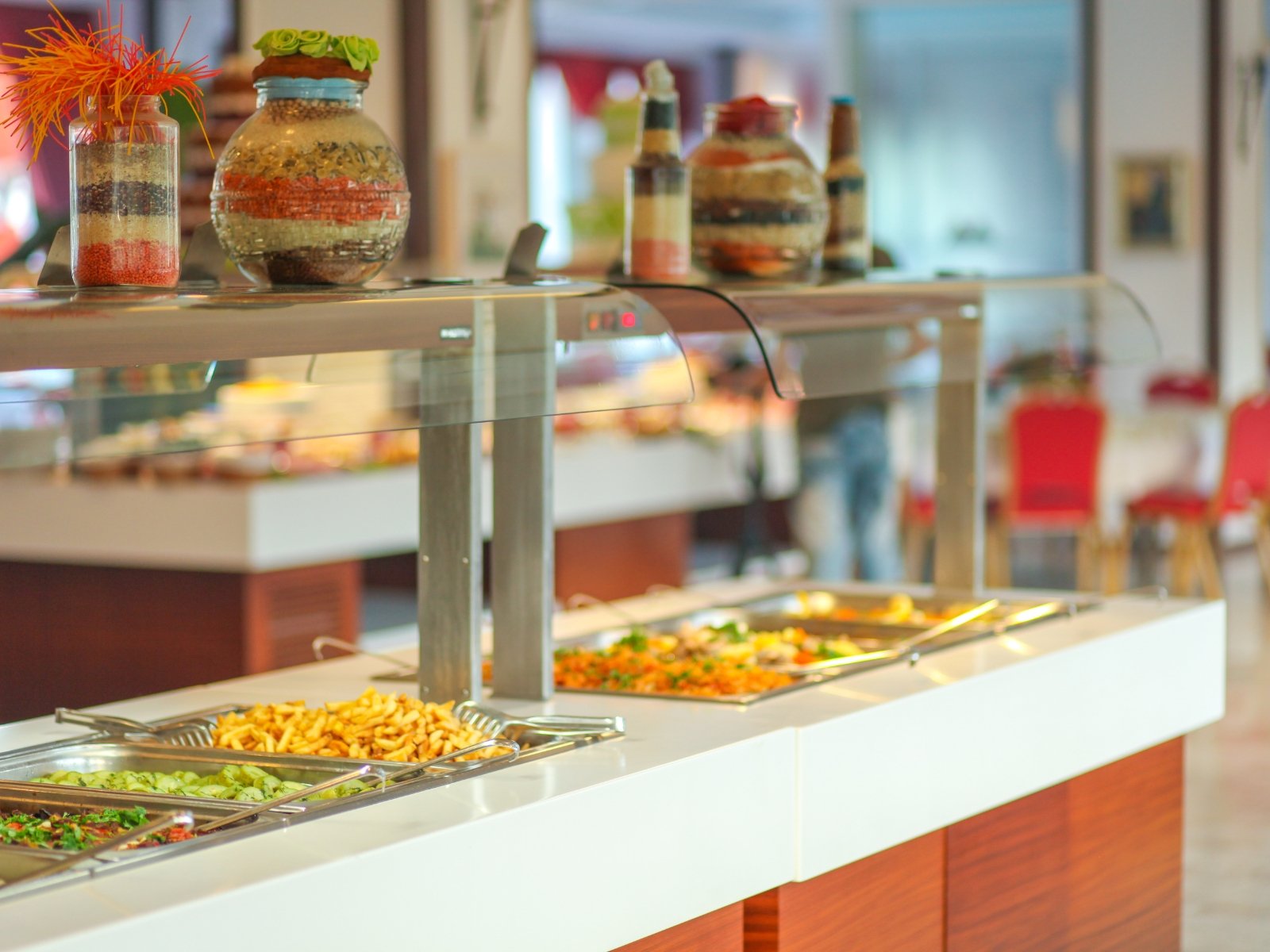
Across a normal safari you can expect some mixture of eggs and omelettes, breads and toast, pancakes, cereals and porridge, fresh fruit, salads, soups, rice, potatoes, pasta, cooked vegetables, lentils and pulses, chicken, fish, beef, lamb or goat, desserts, cakes and pastries.
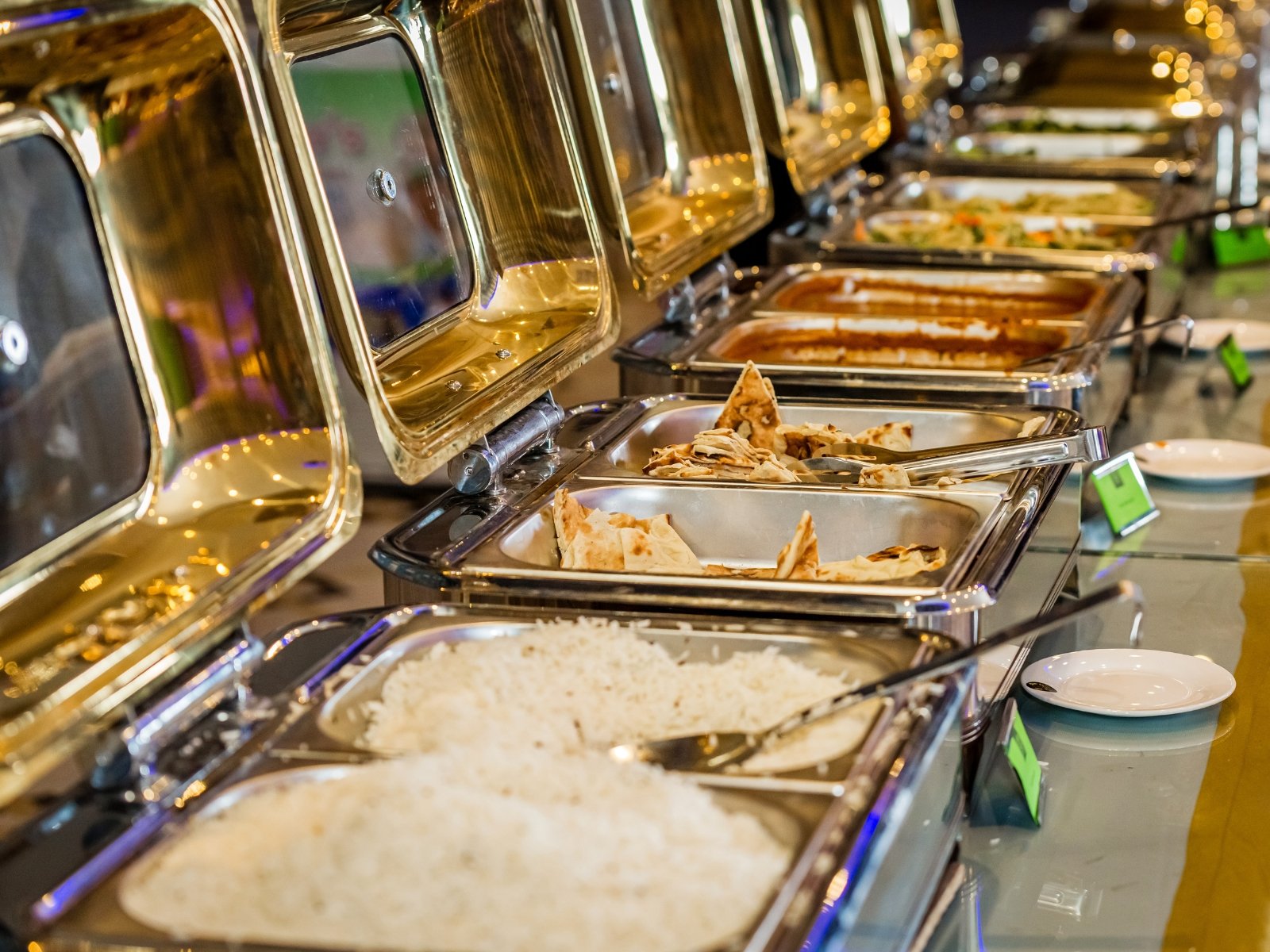
Indian food is also increasingly common, particularly at properties that receive significant numbers of Indian guests. That does not necessarily mean a dedicated Indian buffet at every meal, but dal, rice, vegetable curries, chapati-style breads and Indian-influenced dishes are not unusual, and chefs at many properties will prepare something separately when required.
What does a normal safari food day look like?
If you are doing morning and afternoon drives separately, you may start with tea or coffee around 5:30–6:00am, return for a proper breakfast around 9:00–10:00am, have a hot lunch at camp, take afternoon tea or a snack before the evening drive, and then have dinner after returning around sunset.
From a purely culinary point of view, this is usually the better arrangement because nearly everything comes fresh from the kitchen. But it is not necessarily the best way to safari every day.
The moment you choose a full-day game drive, food changes
We are strong believers in full-day game drives when the circumstances justify them. If you leave early and remain inside the reserve until evening, breakfast, lunch or both may need to travel with you. That means meal boxes.
And meal boxes are one of the least glamorous but most practically important parts of a Mara safari.
Why not simply return to camp for a hot lunch?
Because the Masai Mara is large. Your lodge is only one point on the map and wildlife does not arrange itself around your hotel’s meal timings.
You may leave camp at sunrise and gradually work your way towards Musiara, the central plains, Lookout Hill, the Mara River, Sand River or another part of the ecosystem. By midday you could be a considerable distance from your lodge.
Now imagine that your guide has found a leopard with a kill, lions beginning to stir, cheetahs following gazelles, a large elephant herd or migration animals approaching the river. Returning to the lodge may mean driving a long distance back, eating lunch and then retracing the same route into the reserve.
There are days when returning makes perfect sense. If you are close to camp, wildlife activity is quiet or you prefer a relaxed safari pace, come back and enjoy lunch properly. But we would never leave an exceptional wildlife situation merely because soup is being served at 1pm.
What is actually inside a Masai Mara lunch box?
There is no standard box. A typical packed lunch may contain some combination of a sandwich or roll, wrap, cold chicken, boiled egg, fruit, yoghurt, juice, bottled water, cake, muffin, biscuits, crisps, salad, cooked vegetables or cheese.
Vegetarian boxes may replace the meat with a vegetable sandwich, cheese sandwich, wrap, potato preparation, pasta, stuffed bread or vegetable cutlet. Some kitchens will prepare something Indian-style if you ask early enough.
The better kitchens put real thought into the box. Others do not. That is why you can stay at a lodge with excellent food and still be underwhelmed by the picnic lunch.
A meal box has to do a completely different job from a restaurant lunch
Your lunch may be packed before you leave camp in the morning and then spend hours bouncing over rough tracks. It has to remain safe to eat, avoid spilling everywhere and ideally taste acceptable cold. That rules out many dishes a kitchen could easily serve back at camp.
So when we compare food at camps, we make a distinction between the kitchen and the packed safari meal. They are not the same thing.
If you are doing several full-day drives, ask them to vary the boxes
Three consecutive safari days can sometimes mean three suspiciously similar lunch boxes. By Day 3, even a perfectly decent sandwich, boiled egg, juice, fruit and slice of cake can start looking very familiar.
Tell the lodge the previous evening: “We are taking another packed lunch tomorrow. Can you please make it different from today’s?” Vegetarian kitchens may be able to rotate between sandwiches, vegetable rolls, wraps, stuffed paratha, pasta, cutlets, rice preparations, potato dishes, fruit, yoghurt and different snacks.
Vegetarian travellers are generally very easy to cater for
This is one area where Indian travellers often worry unnecessarily. Vegetarian food is widely available throughout the Mara.
At the larger lodges you will normally find several vegetarian items within the standard meal itself. Rice, vegetables, lentils, salads, pasta, breads, potatoes and fruit are commonplace. Mara Simba, Masai Mara Sopa, Sarova Mara, Mara Serena and Muthu Keekorok are all straightforward for mixed Indian groups, while PrideInn, Jambo Mara, Mara Sweet Acacia, Olkinyei and Oloshaiki regularly deal with dietary requests too.
Jain food is not some extraordinary request in the Mara
Almost every established lodge or safari camp can attempt Jain food when it receives proper advance notice.
We would not select a lodge simply because its website contains the word “Jain”. Most lodge websites do not list every dietary permutation their kitchen can handle. That does not mean the chef cannot handle it.
Many Mara kitchens regularly receive Indian groups and are familiar with requests involving no onion, no garlic, no root vegetables, no eggs, vegetarian meals, fasting requirements and other religious dietary restrictions. Muthu Keekorok is a well-known example, but it is not unique.
Do not just write “Jain food required”
Jain requirements vary between families, so tell the property exactly what you mean. For example: strict vegetarian, no onion, no garlic, no potato or other root vegetables, no eggs, dairy okay, and please follow the same requirement for packed breakfasts and lunches.
If your restrictions differ, write the actual restrictions. The clearer the instruction, the better the result.
Tell the kitchen before you arrive
This matters because Mara lodges are not sitting next door to supermarkets. A remote camp cannot always discover at dinner that you need a specialist ingredient and simply send somebody down the road to buy it.
Send dietary requirements with the booking, repeat them shortly before arrival and remind reception or the restaurant team when you check in.
One of the best things you can do is speak to the chef
Instead of spending three days wondering whether tomorrow’s buffet will contain something suitable, have a short conversation when you arrive. Tell them whether you are vegetarian, eat chicken but no red meat, need Jain food, have a child who eats only a few simple things, or are taking a picnic lunch tomorrow.
We learnt this long before we started staying in polished safari lodges
During our photography days in the Mara, we frequently stayed at much more basic backpacker-style camps. One of them was Croc Camp.
These were not luxury lodges with enormous buffets, specialised restaurant teams or elaborate Indian menus. We were there to photograph wildlife and needed somewhere practical to sleep between long days in the field.
Yet even those kitchens would try their best once we explained what we wanted to eat. Sometimes that meant adapting whatever ingredients were available into something closer to Indian food. It was not always elegant or restaurant-standard, but the willingness to accommodate was there.
That experience taught us something we still believe: do not judge a Mara camp’s ability to feed you purely by the menu displayed on its website.
What if you are non-vegetarian but mainly eat chicken and eggs?
This describes a very large number of Indian travellers. You are non-vegetarian, but your regular diet may really mean chicken and eggs, with perhaps some fish. Beef, lamb, goat and pork may barely feature in your diet or may not be eaten at all.
You should have no difficulty. Chicken is widely available as grilled chicken, roast chicken, curry, stew, skewers, buffet dishes or cold pieces in lunch boxes. Eggs are everywhere at breakfast, with omelettes, fried eggs, scrambled eggs and boiled eggs particularly common.
If chicken is the only meat you eat, simply say: “We eat chicken and eggs. We do not eat red meat or pork.”
Red meat is much more common than many Indian travellers realise
Kenyan and international hotel menus use more red meat than many Indian households do. You may encounter beef, lamb, goat, sausages, stews and grilled meats. Breakfast sausages may be beef, pork or another meat depending on the property, so ask if it matters to you.
If you do not eat beef, lamb, goat or pork, tell the kitchen at the beginning. It is easy to work around when they know.
What about halal food?
If halal certification or strict halal preparation matters to you, verify the individual property rather than assuming. Some camps explicitly provide halal dining; others can accommodate requests but may operate mixed kitchens.
Vegan, gluten-free and allergy requirements
Vegan travellers generally require a little more planning because removing meat is not enough; the kitchen also needs to account for dairy and eggs. Gluten-free preferences can usually be managed, but diagnosed coeliac disease or serious allergies deserve a direct conversation about cross-contact and preparation.
Children are usually easier to feed than parents expect
Safari kitchens already cook plenty of uncomplicated foods: pasta, rice, bread, pancakes, eggs, potatoes, chicken, fruit, soup and desserts.
But “fussy eater” tells a chef almost nothing. “Our child eats plain pasta, rice, fries, scrambled eggs, toast, bananas and grilled chicken” is much more useful.
Should you carry ready-to-eat Indian food?
For most travellers, no — at least not as your primary food strategy. At established camps there will be more than enough food.
A few familiar snacks such as khakra, biscuits, dry snacks, nuts or energy bars can still be useful on long road transfers or full-day drives, particularly for children or elderly travellers.
Breakfast box, picnic lunch, bush breakfast and bush dinner are different
A breakfast box is simply packed food carried in the vehicle. A picnic lunch is normally a portable meal eaten during the game drive. A bush breakfast can be a more elaborate outdoor setup with tables, staff and sometimes hot food. Bush dinners and sundowners may be special experiences rather than standard inclusions.
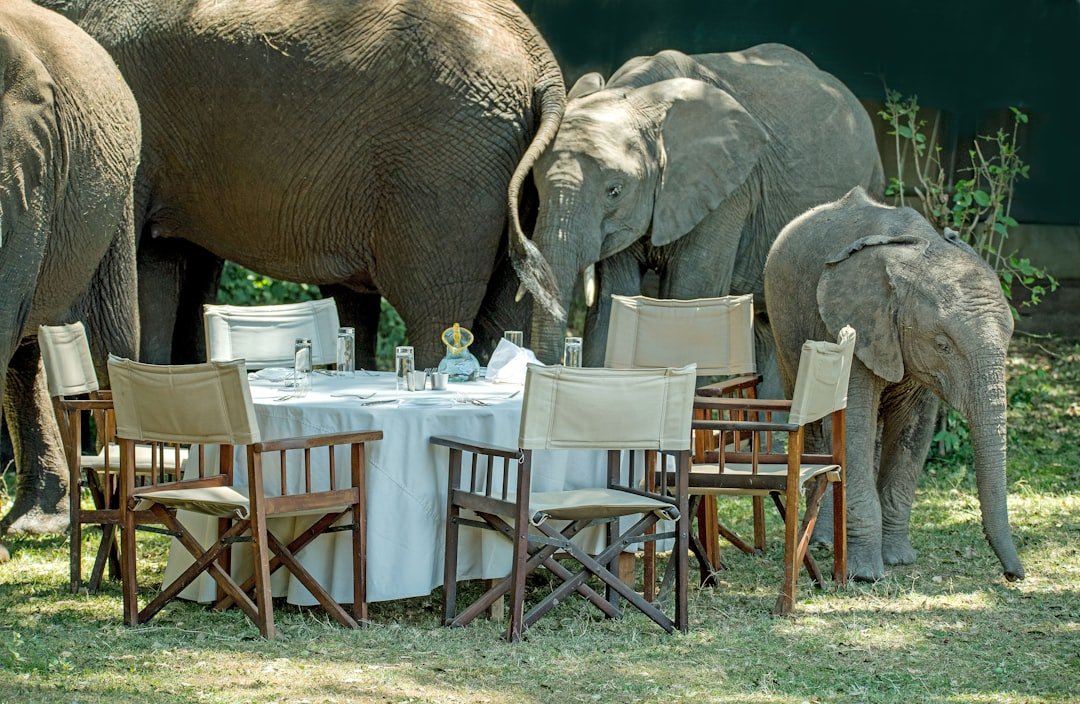
The beautiful table under an acacia tree that you saw on Instagram is not necessarily the standard lunch included in your safari. Ask what is included and what costs extra.
What does full board actually include?
At its simplest, full board means breakfast, lunch and dinner. It does not automatically mean beer, wine, spirits, soft drinks, premium bottled water, minibar, speciality coffee, bush meals, sundowners or laundry.
Some packages include more. Others do not. Check the exact inclusions attached to your rate.
A useful dietary note to send before your safari
Traveller 1: Vegetarian. Dairy okay. No eggs.
Traveller 2: Jain vegetarian. No onion, garlic or root vegetables. No eggs. Dairy okay.
Traveller 3: Non-vegetarian. Chicken, eggs and fish okay. No beef, lamb, goat or pork.
Child: Plain pasta, rice, potato, bread, eggs, fruit and grilled chicken preferred.
Important: Please apply the same requirements to all packed breakfasts and picnic lunches.
Our practical verdict
Food should not determine whether you take a Masai Mara safari. At virtually every decent lodge and camp, you will be fed well. Vegetarian travellers are straightforward to cater for. Jain food is commonly manageable with advance notice. Travellers who eat chicken and eggs but avoid red meat will have plenty of options, while people who enjoy red meat will find those too.
The real food decision on safari is often much simpler: do you want the better lunch, or the better safari day?
There will be days when coming back to camp for a hot meal is exactly what you should do. And there will be days when you are sitting under an acacia tree eating a slightly squashed sandwich while your guide watches a lion pride a few hundred metres away.
On those days, we would take the sandwich. Every single time.