
Short on time?Read the 60-second summary
Jump to section
Rekero, Rongai & Fig Tree Prides
Three central-Mara lion stories shaped by breakaways, disappearing pride lines, male takeovers and a constantly shifting boundary between the National Reserve, Talek, Olerai and neighbouring conservancies.
Why these three prides belong in one chapter
On a map, Rekero, Rongai and Fig Tree appear to be neighbouring prides in the central Masai Mara. Socially, the picture is much more complicated. The name Rongai now refers to a Serena North/Paradise breakaway after the original Rongai pride disappeared. The modern Fig Tree group is itself essentially the surviving Fig Tree breakaway after most of the original pride vanished. Rekero, meanwhile, has been through repeated male transitions and in 2026 is facing another possible change of guard.
This is therefore a chapter about something lion maps rarely show: territories can retain a familiar name even when the lions occupying them are no longer the same social group that created that name.
The central Mara landscape
The three pride systems sit within a wider network linking the Talek River, Rekero/Naibor sector, Hammerkop stream, Fig Tree/Talek area, Olerai Conservancy, Naboisho and the Double Cross landscape. Lions do not respect tourism or administrative boundaries, so these areas function more like overlapping neighbourhoods than sealed territories.
Rekero females are strongly associated with the Talek River system and denning habitat around the Naibor area. The pride’s males patrol beyond the immediate female core.
The current Rongai group originated from Serena North/Paradise and ranges through the Hammerkop stream system toward Olkeju Ronkai and Maji ya Fisi.
The surviving Fig Tree line now moves between the Reserve, Olerai Conservancy and at times southern Naboisho, crossing settled community land between protected areas.
These are broad orientation zones, not fixed pride boundaries or guaranteed sighting areas.
Rekero Pride: a long-lived female territory under repeated male rule
Rekero is one of the Mara’s enduring pride names, but its history is best understood by separating the female pride from the coalitions that have ruled it. Over the years the pride has been influenced by some of the Mara’s most recognisable males, including the Musketeers and later younger coalitions moving through the central Reserve.
MPCP’s history of Scarface and the Musketeers lists Rekero and Rekero Breakaway among the prides in which that coalition established control and sired cubs. Later, the Rekero system produced dispersing males of its own, some of whom crossed into Olare Motorogi and interacted with Iseketa, Hammerkop and other conservancy prides.
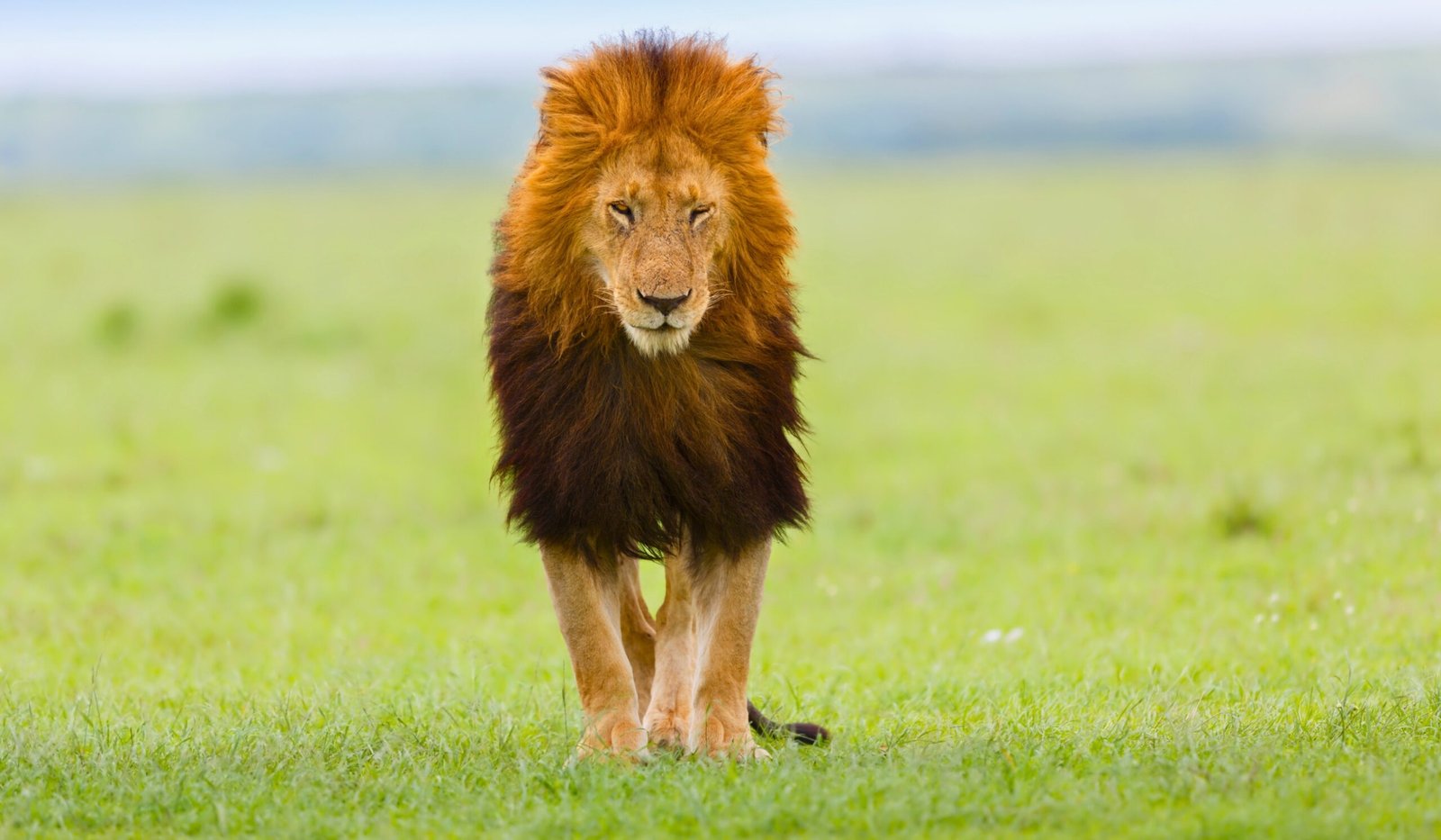
More recently, the Rekero females were controlled by the coalition that Mara followers know as the Six Pack or Bila Shaka males. After those males lost the Marsh area to the seven Topi Boys, MPCP reported them shifting their attention south and taking over Rekero.
Rekero in 2026: another takeover may be beginning
In May 2026, MPCP reported that five dispersing males from the Serena-Rongai system — referred to as the R5 — were increasingly entering Rekero territory. Two Rekero females, including Nalang’u, had been observed mating with the younger males.
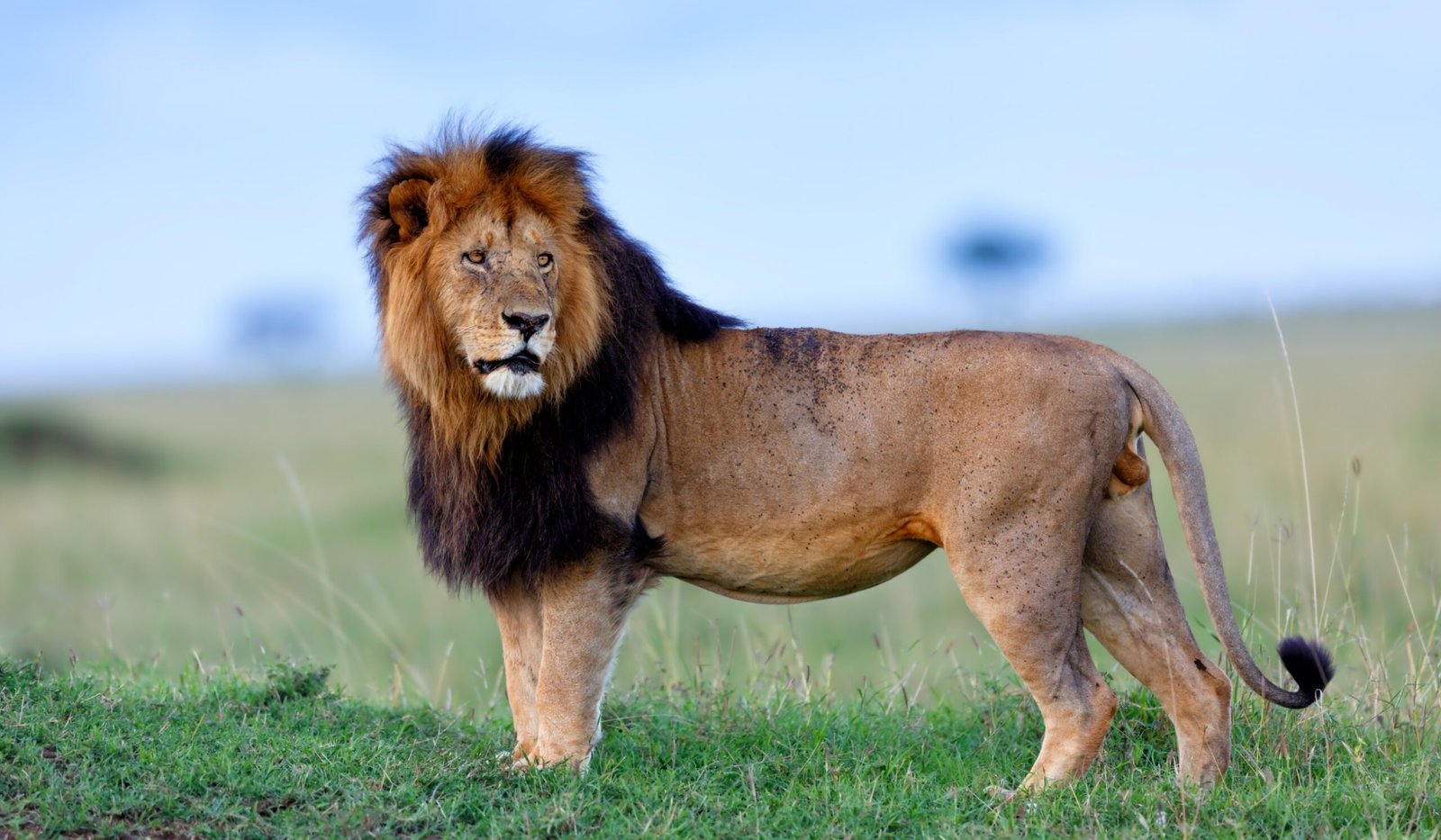
At that point the older Six Pack males were still regarded as the pride’s ruling coalition, but the age difference mattered. MPCP described the established males as roughly twelve years old, while the R5 were becoming increasingly confident inside the territory.
This does not automatically mean a completed takeover. Lion regime changes can unfold over weeks or months. Females may mate with intruding males before the old coalition is fully displaced, and younger males may test a territory repeatedly before becoming established.
Established rulers
The Six Pack/Bila Shaka coalition remained the recognised Rekero males in the May 2026 update.
Challengers
The R5 are Serena-Rongai-born dispersing males beginning to use Rekero ground and interact reproductively with pride females.
What to watch
Whether the R5 establish durable control, whether the older males withdraw, and what happens to any dependent young during a transition.
Why Rekero has struggled to raise recent litters
One of the more interesting recent observations is that apparent male stability has not translated automatically into cub recruitment. MPCP noted in 2026 that, despite the presence of a strong coalition and apparently favourable denning habitat around the Talek River, the Rekero females had not successfully raised a litter to independence for more than two years.
That is a useful corrective to simplified safari storytelling. A powerful coalition can reduce takeover risk, but cub survival still depends on many other variables: maternal experience, disease, prey availability, accidents, hyenas, buffalo, flooding, den disturbance and local pride dynamics.
The denning area around Naibor and the Talek banks remains important to the pride’s story, but it should never be interpreted as a permanent nursery location.
Rongai Pride: the name survived, the original pride did not
The current Rongai Pride is one of the best examples of why lion names must be treated historically. MPCP’s recent reporting states that the former Rongai pride disappeared. The group now widely called Rongai is a breakaway from Serena North/Paradise.
That replacement matters. Someone comparing an older lion guide with a current sighting report could assume they are reading about the same female dynasty when they are not.
MPCP’s March 2025 update described the pride as seven adult females and ten dependent subadults, controlled at that time by Black Rock males Oloshipa and Oloimina following the death of their coalition partner Lolkulup. The territory was described along the Hammerkop stream, while broader 2024 reporting placed the group from Olkeju Ronkai toward Maji ya Fisi.
The Black Rock males and the rise of the Rongai generation
The Black Rock males — Oloshipa, Lolkulup and Oloimina — became strongly associated with the modern Rongai group. Their tenure coincided with the pride becoming large, visible and unusually successful at tackling big prey.
MPCP repeatedly highlighted buffalo hunting as a distinctive feature of the pride. One pride son, Oloonkera, attracted attention for participating in large-prey hunts while still remaining socially engaged with younger lions. As subadult males matured, however, normal dispersal pressures followed.
By March 2025, Lolkulup had died and the remaining males were driving maturing sons away from the pride. That dispersal process eventually matters far beyond Rongai because those young males can become the next coalition to challenge neighbouring prides — exactly what the R5 appear to be doing in Rekero in 2026.
July 2026 update: MPCP reported the Serena-Rongai Pride back inside its core territory as the migration arrived. Adult female Naeku had been fitted with a GPS collar because the pride had spent recent months ranging between its core area and neighbouring community land. The collar is being used to monitor those movements and flag periods of higher human-lion conflict risk.
Fig Tree Pride: survival after the original pride collapsed
The current Fig Tree story is even more sobering. MPCP’s 2024 collaring report says the original Fig Tree Pride had effectively disappeared apart from one lion, while the group formerly known as the Fig Tree Breakaway survived and became the pride most people now call Fig Tree.
That surviving group was pushed away from spending all its time in the Talek/Fig Tree area by the expanding Serena-Rongai pride. Instead, it established a new pattern using Olerai Conservancy, the southern edge of Naboisho and portions of the National Reserve.
The distinction is important enough that we retain both labels in this series. “Fig Tree Pride” may refer to the historical original in an older report or to the surviving breakaway group in a modern one.
Samara, Sukari and the movement into Olerai
Samara became especially valuable to researchers after being fitted with a tracking collar. Her movement data documented repeated travel between the National Reserve and Olerai Conservancy through heavily settled community land.
That journey is one of the clearest examples of the conservation problem hidden by a tourist map. Two protected areas may look close together, but a lion moving between them can cross livestock areas, roads and settlements where the risk of retaliation rises sharply.
MPCP also documented an encounter between Samara’s Fig Tree group and the collared Molibany pride in Naboisho. Interestingly, the interaction did not result in obvious aggression, showing that spatial overlap does not automatically produce a fight.
Samara
A collared Fig Tree female whose movements have helped reveal how often the pride crosses between protected areas and community land.
Sukari
A second key adult female in recent Fig Tree reporting. In 2026 she received a replacement tracking collar because the pride remains exposed to both territorial pressure and human activity.
Fig Tree in 2026: cub losses and pressure from two directions
By early 2026, the Fig Tree females were under serious pressure. MPCP reported that the Kisinja males entered their territory in a takeover attempt and killed three cubs. Around the same period, the Rongai Rockers also intruded.
Oloimina — by then the last surviving Black Rock male after Oloshipa’s death — was involved in defending the group during one of these confrontations, while Samara moved away with the remaining cubs and Sukari joined the defence.
The result was not simply a dramatic fight. The pride shifted its behaviour afterwards, moving farther northeast and spending increasing time around community areas and Olerai Conservancy, with sightings extending into Naboisho near the Leopard Hill area.
In July 2026, MPCP confirmed that Sukari received a replacement GPS collar as part of the Reserve’s expanding LoRa monitoring network. The stated reason was the combination of human pressure and territorial competition around the Fig Tree Pride. That makes this pride one of the strongest examples in the series of how lion movements, rival coalitions and conflict-risk monitoring now overlap.
Three prides, one network
Seen together, Rekero, Rongai and Fig Tree reveal how central-Mara lion society works as a network rather than a set of isolated boxes.
Rongai pushes outward
The expanding Serena North-derived Rongai group displaced the surviving Fig Tree line from parts of its former Reserve range.
Rongai sons disperse
The R5 generation now appears to be testing Rekero territory, creating the possibility of a new male regime.
Fig Tree shifts to the edge
Pressure from rival males and neighbouring prides has pushed Fig Tree deeper into Olerai, Naboisho and community corridors.
This is why a static pride map becomes outdated quickly. Territory is inherited, lost, borrowed and reoccupied. Pride names persist because humans need labels, while the lions continue reorganising underneath them.
A short central-Mara timeline
Musketeer influence
The Musketeers control and sire cubs in Rekero and its breakaways among several other Mara prides.
Rekero-born males spread into conservancies
Rekero and Rekero-breakaway males become involved with Iseketa, Hammerkop and other Olare Motorogi groups.
Original Fig Tree collapses
Most of the historical Fig Tree pride disappears; the breakaway group becomes the surviving modern Fig Tree line.
Modern Rongai expands
The Serena North-derived Rongai pride expands toward Fig Tree and becomes one of the better-known buffalo-hunting groups in the Reserve.
Six Pack takes Rekero
After losing the Marsh territory, the older Six Pack males establish themselves with Rekero.
R5 pressure Rekero; Fig Tree shifts again
Serena-Rongai sons begin testing Rekero, while Fig Tree females respond to male intrusions by moving farther toward Olerai and Naboisho.
Where travellers may encounter these lions
Rekero is broadly associated with the Talek River and Naibor/Rekero sector. The modern Rongai pride uses the Hammerkop–Olkeju Ronkai–Maji ya Fisi landscape. Fig Tree now ranges much more widely between Talek, Olerai and southern Naboisho than its name suggests.
Those descriptions are useful for understanding geography, not for promising sightings. A pride can be invisible for days even inside its core area, and a dispersing coalition can suddenly appear far outside where a visitor expects it.
If following known lions is a priority, the practical advantage comes from a guide who understands current pride movements and from spending enough time in the right sector — not from choosing a lodge solely because it carries the name of a nearby pride.
Frequently asked questions
Is the current Rongai Pride the original Rongai Pride?
No. MPCP reports that the former Rongai pride disappeared. The group now commonly called Rongai is a breakaway from Serena North/Paradise.
Is the current Fig Tree Pride the original Fig Tree Pride?
Not exactly. The original pride largely vanished. The surviving Fig Tree Breakaway became the group most people now refer to as Fig Tree.
Who controls the Rekero Pride in 2026?
The May 2026 MPCP update still described the older Six Pack/Bila Shaka males as the established coalition, but five Serena-Rongai dispersing males — the R5 — were increasingly entering the territory and mating with Rekero females.
Why is the Fig Tree Pride spending time outside the Reserve?
Territorial pressure has shifted the pride toward Olerai Conservancy, southern Naboisho and connecting community land. That movement increases exposure to livestock conflict and is one reason females such as Samara and Sukari have been collared.
Are Rekero and Rongai related?
The clearest documented connection in the current story is through dispersing males rather than a proven maternal pride lineage: Rongai-born R5 males are now challenging for access to Rekero females.
Research & sources
This article is an original synthesis of research monitoring, independent camp/field reporting and current sighting intelligence. MPCP remains the research backbone, but we cross-check its pride-history framework against other observers wherever a genuinely independent record exists.
Independent corroboration added in this audit: Ishara’s long-form Fig Tree account independently documents the pride around the Talek River during the 2022–23 period, including the adult females and dominant males then using the area. Wild Guide’s 2026 tracker adds recent community-sourced movement intelligence for Rekero, Rongai and Fig Tree; we use those entries only as supporting evidence because some member data is historical or user-submitted.
Primary research backbone:
Mara Predator Conservation Programme — Masai Mara National Reserve Lion ID catalogues
MPCP Predator Watch #23 — R5 males and Rekero, May 2026
MPCP — 2026 Fig Tree and Rekero field update
MPCP Lion Tails — March 2025, Serena North Breakaway/Rongai
MPCP Q1 2024 — Samara and the surviving Fig Tree line
MPCP Q2 2024 — Samara movements and Fig Tree/Molibany contact
MPCP — Musketeers and historical Rekero influence
Ishara — independent Fig Tree Pride field account, Talek River
Wild Guide — 2026 Rekero sighting timeline and R5 community updates
Wild Guide — current Masai Mara pride/coalition sighting stream
Continue the lion-pride series
Chapter 1: Marsh Pride, Topi Pride & the Lions of Musiara →
Next: Lookout, Observation Hill & Rocky Valley / Black Rock.