
Birding in Masai Mara: Best Birds, Habitats, Seasons & Safari Tips
The Mara is not just a big-cat destination. More than 500 bird species have been recorded across its grasslands, rivers, wetlands, woodland edges and escarpment habitats, making birding productive even on a general wildlife safari.
The short answer
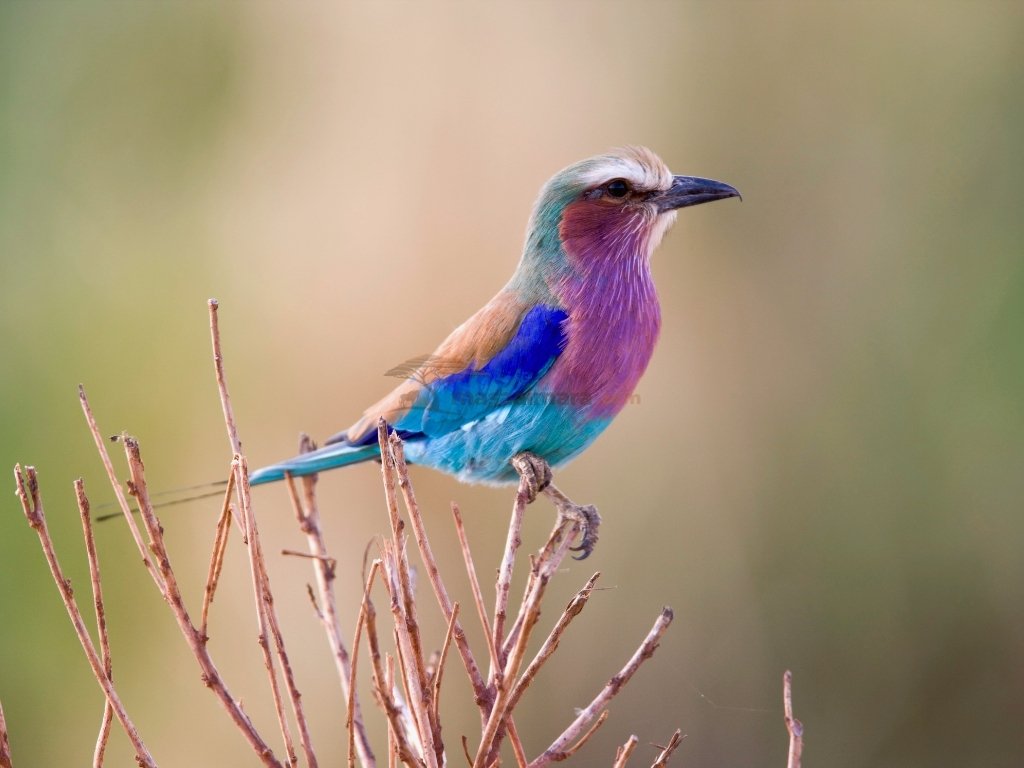
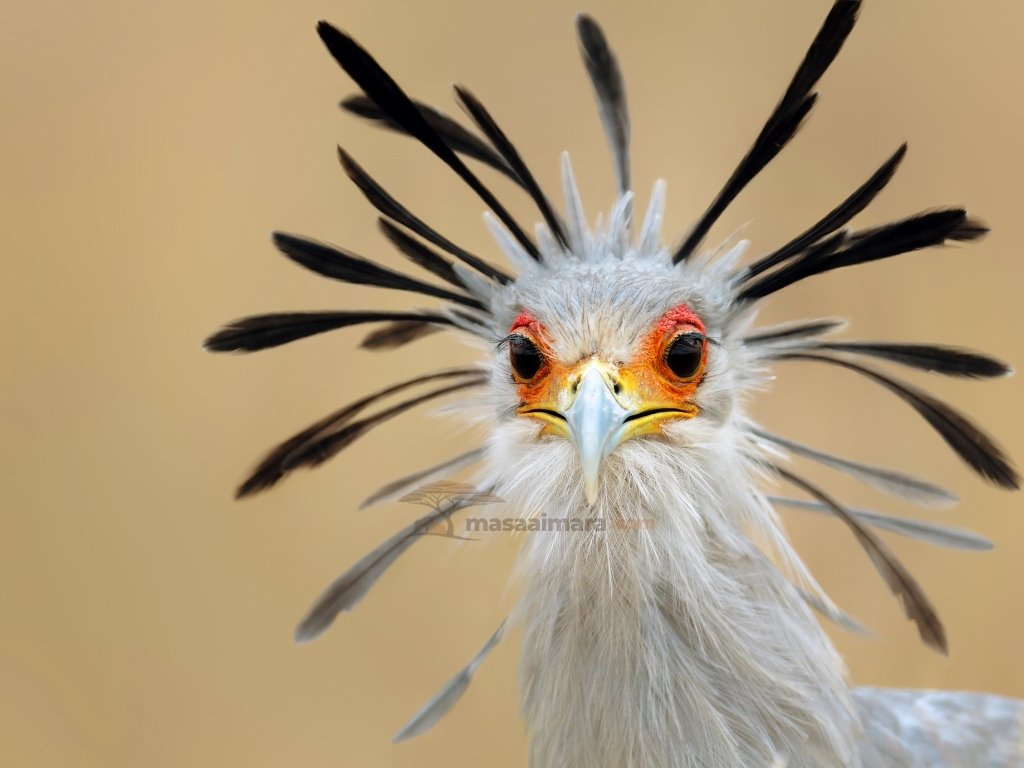
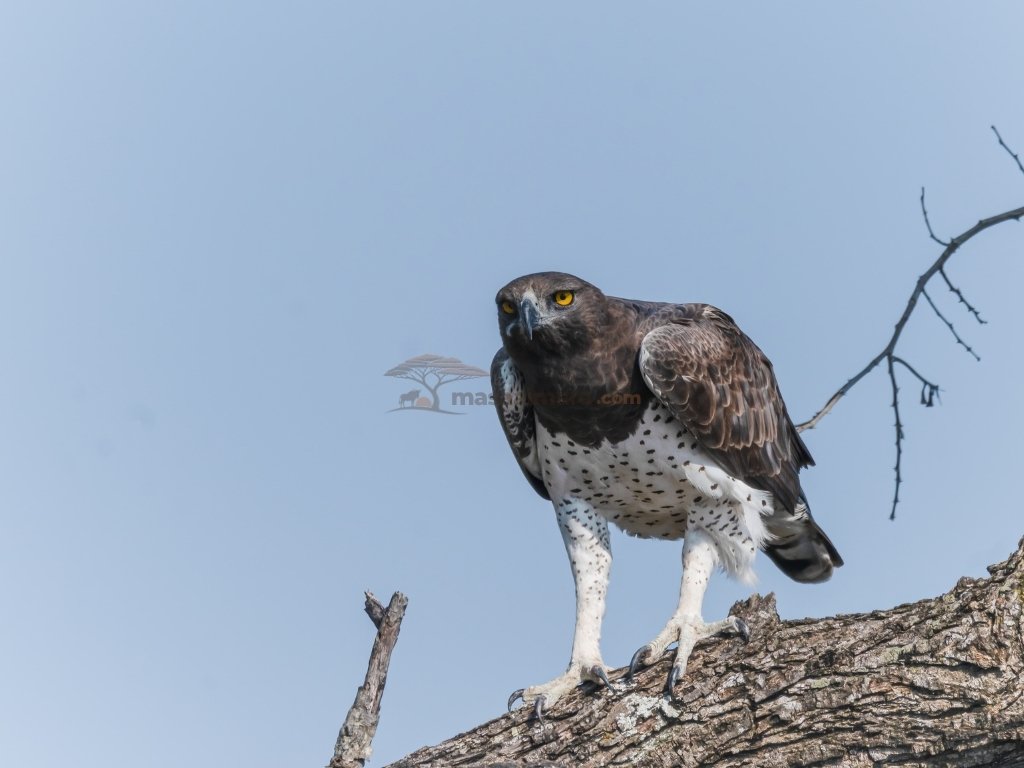
If you enjoy birds at all, the Mara rewards you constantly. You do not need to arrive as a specialist birder. Secretary birds walking the plains, vultures gathering over a kill, martial eagles scanning from high perches, lilac-breasted rollers on roadside branches and grey crowned cranes in wetter grassland can all become major safari moments.
Why the Mara is so good for birds
Grassland
Open plains support bustards, larks, pipits, coursers, lapwings, secretary birds and many raptors.
Rivers and wetlands
Riverbanks, marshes and pools attract kingfishers, herons, storks, ducks, geese, cranes and other water-associated birds.
Woodland edges
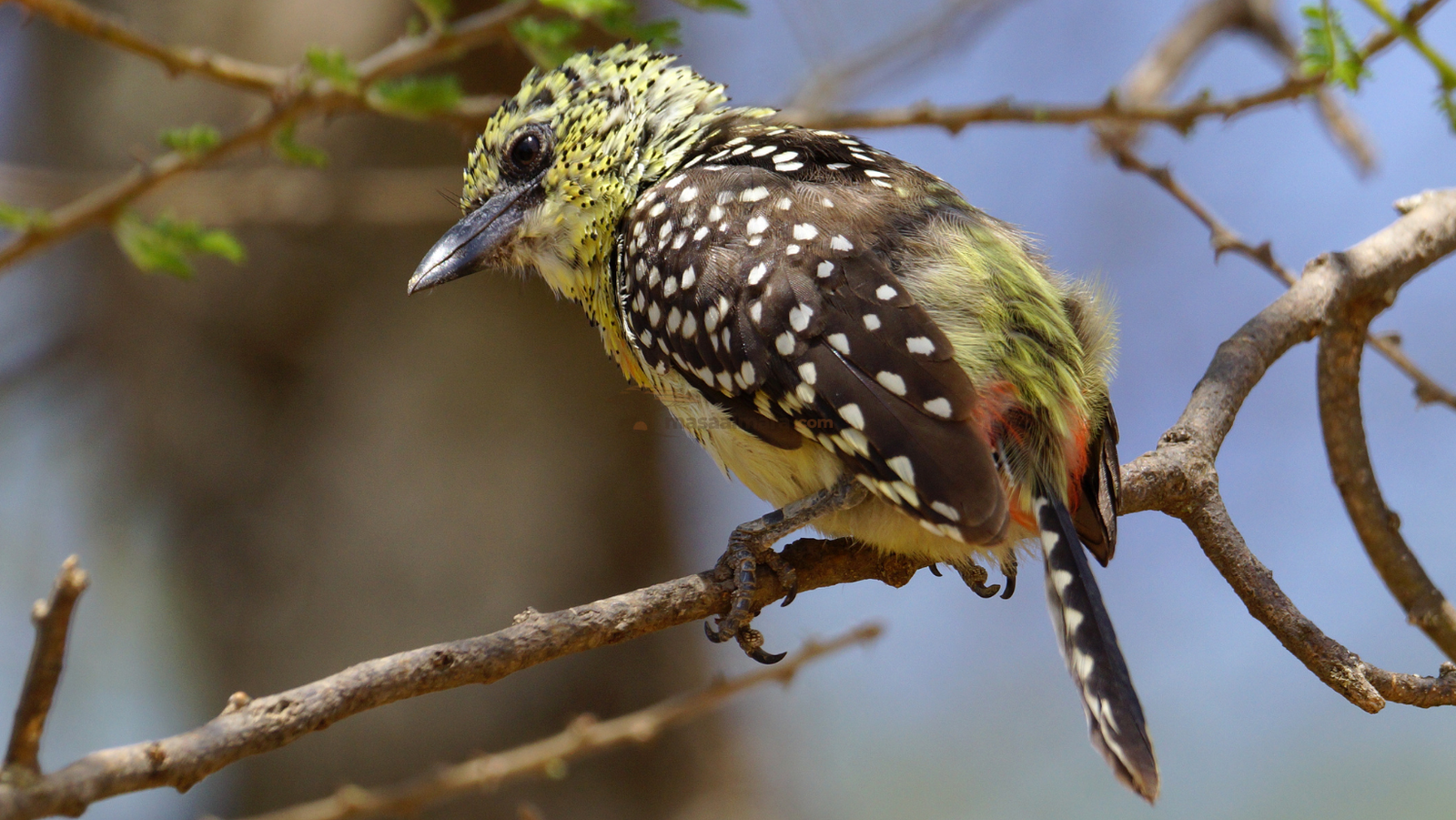
Acacia and riverine vegetation add bee-eaters, rollers, shrikes, barbets, sunbirds, hornbills and smaller passerines.
The birds most non-birders remember
Some species are so distinctive that they become favourites even for guests who arrived mainly for lions.
| Bird | Why it stands out |
|---|---|
| Secretary bird | A tall terrestrial raptor that walks the plains hunting snakes and other small prey. |
| Lilac-breasted roller | One of East Africa’s most photographed birds, often seen conspicuously on exposed perches. |
| Grey crowned crane | Elegant, unmistakable and associated with wetter grassland and marshy areas. |
| Ostrich | Impossible to miss when crossing open country and a good reminder that the Mara’s birdlife is not only about small species. |
| Kori bustard | A huge grassland bird and one of the heaviest flying birds in the world. |
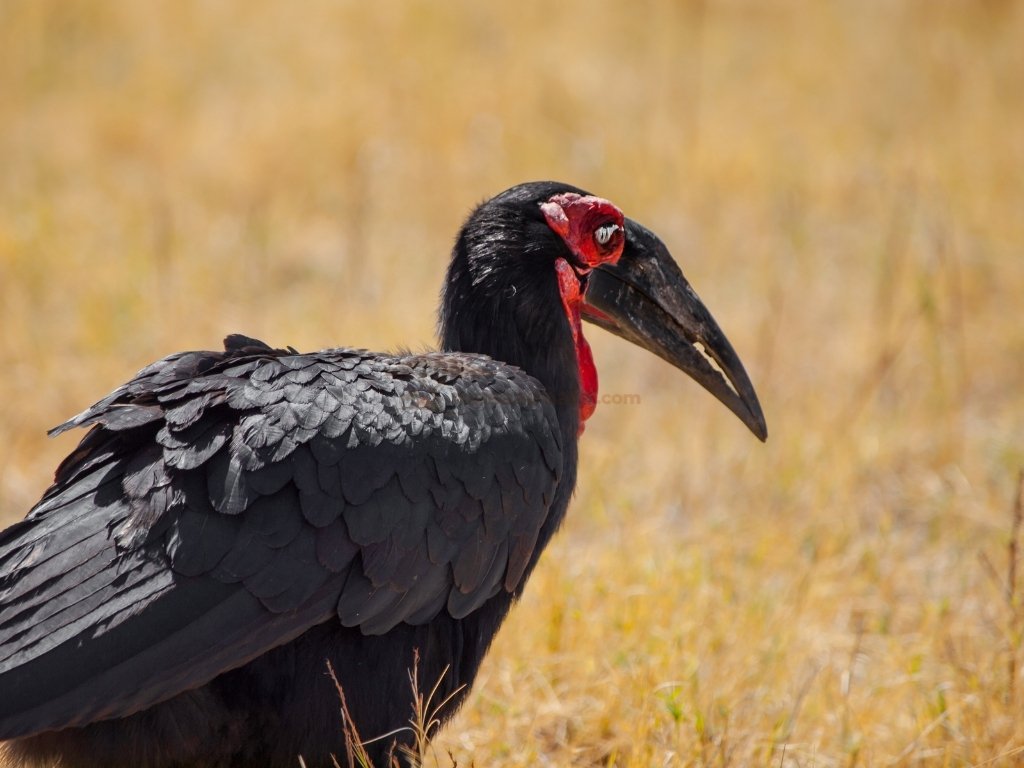
| Southern ground hornbill | Large, black and red, often seen walking through grassland in family groups. |
Raptors: one of the Mara’s great strengths
Nature Kenya’s Important Bird Area material for the Maasai Mara notes more than 50 birds of prey in the wider bird community. That makes raptor watching one of the strongest reasons to slow down.
Look for martial eagle, tawny eagle, bateleur, augur buzzard, black-chested snake eagle and several smaller hawks and kestrels. The exact mix changes with habitat and season.
Raptors also help you read the landscape. A bird sitting unusually alert, repeated mobbing by smaller species, or vultures beginning to descend can point to activity that a vehicle moving quickly would miss.
Vultures: not background birds
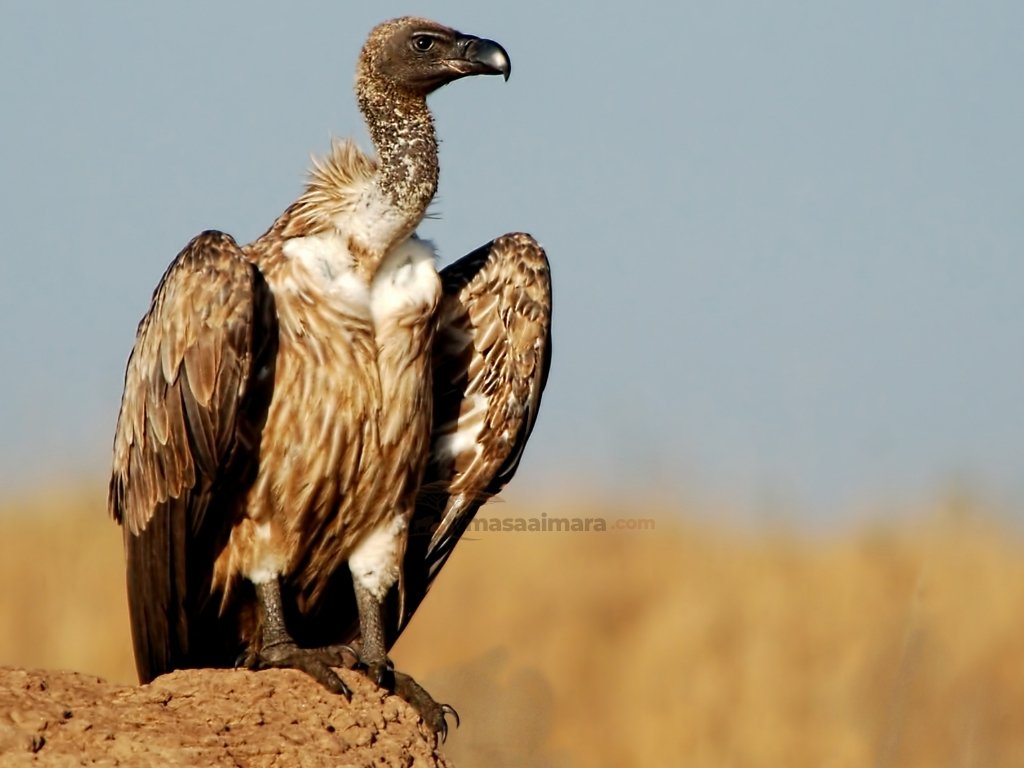
The Mara is an important landscape for vultures, including white-backed, Rüppell’s, lappet-faced, white-headed and hooded vultures. Several African vulture species are under severe conservation pressure, so seeing multiple species together around a carcass is both fascinating and significant.
For guides, vultures are also information. Birds circling low or dropping repeatedly can indicate a kill or carcass. But not every circling vulture means a lion is nearby; experienced guides read height, direction and behaviour before deciding whether it is worth investigating.
Migrants change the birding season
Resident birds make the Mara productive year-round, but the bird list expands when Palearctic migrants arrive from Europe and Asia. Kenya sits on major African-Eurasian migration routes, and the Mara’s grasslands and wetlands receive seasonal visitors.
For birders, the greener months can be particularly rewarding because breeding activity, insects, fresh vegetation and migrants can all increase variety. The classic dry-season migration months are excellent for mammal viewing, but they are not the only “good” time to bird.
Best habitats to spend time in
| Habitat | What to look for |
|---|---|
| Open plains | Secretary birds, bustards, lapwings, larks, pipits, ostrich and hunting raptors |
| Marshes and wet grassland | Crowned cranes, storks, herons, egrets, geese and other wetland birds |
| Riverine forest | Kingfishers, bee-eaters, barbets, hornbills and woodland species |
| Acacia woodland | Rollers, shrikes, sunbirds, woodpeckers and mixed feeding flocks |
| Carcasses and predator sites | Vultures, marabou storks, eagles and scavenging interactions |
Do you need a specialist bird guide?
For a general safari, a strong wildlife guide should identify the common and larger species and explain behaviour. For serious birding, the difference becomes obvious: a specialist guide recognises calls, separates similar larks and cisticolas, knows where to stop for habitat-specific species and is willing to spend twenty minutes on a small bird instead of driving toward the next lion report.
How birding changes the game-drive style
Drive slower
Many birds are found by movement, call or a quick silhouette rather than a radio message.
Stop more often
A productive bush or wetland edge may hold several species that disappear if you keep rolling.
Use a private vehicle
It prevents conflict between a birder wanting to work through a flock and another guest wanting to leave for a cat sighting.
Bird photography in the Mara
A long lens helps, but vehicle position and light matter just as much. Birds are often lower than large mammals, so shooting angle can be difficult from a high safari vehicle. Ask the guide to position with the sun behind or slightly to the side when possible, and do not pressure the driver to approach too closely.
For perched birds, patience often creates the better frame. Rollers, bee-eaters and raptors may return to favoured perches after a short flight. For birds in flight, keep shutter speed high and allow more space around the subject than you think you need.
Can birding fit into a normal family safari?
Yes—if you keep it light. Children often enjoy the large, colourful and behavioural species: ostrich, rollers, cranes, secretary birds, vultures and eagles. Turning every stop into an identification lesson can kill the fun, but using birds to explain the ecosystem works very well.
For mixed-interest groups, a private vehicle is again the easiest solution because the day can move between cats, elephants and birding without another party setting the pace.
Birding in Masai Mara FAQs
How many bird species are in Masai Mara?
More than 500 species have been recorded in the Maasai Mara ecosystem. The exact list depends on the boundary and source used, but it is unquestionably one of Kenya’s major birding landscapes.
What are the best months for birding?
Birding is good year-round. Greener months can add breeding activity and migrants, while dry months make access easier and combine very well with classic mammal viewing.
Can I see vultures in Masai Mara?
Yes. Several vulture species occur in the ecosystem, and carcasses or predator activity can bring multiple species together.
Is Masai Mara an Important Bird Area?
Yes. The Maasai Mara National Reserve is recognised within the Important Bird Area network and is significant for grassland, raptor and migratory bird communities.
Do I need binoculars if I have a camera?
Yes, if birding matters to you. Binoculars are faster for finding and identifying birds than lifting a heavy camera every time.
Can I combine birding with a big-cat safari?
Absolutely. The key is having enough time and ideally a private vehicle so the guide can work both priorities without rushing.
Related guides
Safari Lab field view
Birding improves a safari even when birds were not the original reason for travelling. Once you start paying attention to vultures, alarm calls, rollers on perches and raptors working the grasslands, the Mara stops feeling like a series of isolated mammal sightings and starts behaving like one ecosystem.
The best birding happens when the vehicle is allowed to slow down.