
FROM INDIA · SAFARI PLANNING GUIDE
What Does a Masai Mara Trip From India Really Cost in 2026?
A practical explanation of where the money goes—and how to compare two safari quotations properly.
Planning a Masai Mara safari from India gets confusing very quickly.
You can ask three companies for what sounds like the same trip and receive three completely different prices. One quotation may be substantially cheaper even though it includes the same number of nights. Another may cost much more without immediately looking much better on paper.
Usually, the difference isn’t one mysterious safari markup.
It comes down to when you travel, where you stay, how many people share the vehicle, whether the vehicle is private, how you reach the Mara, how many actual safari days you get, and what has been included in the price.
So rather than giving you one misleading number for “the cost of a Masai Mara safari from India”, it is much more useful to understand where the money actually goes.
The quick answer
A Masai Mara trip from India does not have one standard price.
The biggest cost variables are:
Season
July to December carries the higher Masai Mara reserve fee and the migration months generally attract stronger demand.
Safari vehicle
A private Land Cruiser shared by two people costs considerably more per person than the same vehicle cost divided among five or six travellers.
Accommodation
A simple camp outside the reserve, a well-positioned lodge inside it and a high-end conservancy camp are very different products.
Duration
Three nights and four nights may sound similar, but the extra night can change how relaxed the safari feels and how much meaningful game-drive time you actually get.
Road or air
Driving from Nairobi is usually the more economical option. Flying into the Mara saves considerable road time but adds another cost layer.
The right question therefore isn’t:
“What does Masai Mara cost?”
It is:
“What kind of Masai Mara safari am I trying to build?”
So, what are you actually paying for?
A complete trip from India generally contains several separate cost components:
| Cost component | What changes it | Why it matters |
|---|---|---|
| International flights | City, dates, airline, booking window | Can change significantly even within the same month |
| Kenya eTA | Government fee and processing option | Small part of the total, but mandatory where applicable |
| Nairobi–Mara transport | Road or flight | One of the bigger itinerary decisions |
| Safari vehicle | Private/shared and group size | Major influence on per-person cost |
| Accommodation | Location, category, season | Often the largest variable after transport |
| Park fees | Travel dates and chargeable days | Particularly important from July to December |
| Optional experiences | Balloon safari, village visit, upgrades | Can materially increase the final trip cost |
This is why comparing only the final number at the bottom of two quotations can be misleading.
You need to compare what those numbers actually contain.
Masai Mara park fees make a bigger difference than many travellers expect
For non-resident travellers in 2026, the Masai Mara reserve fee is:
January to June
Adult: USD 100 per person per day
July to December
Adult: USD 200 per person per day
Children
Ages 9–17: USD 50 per child per day
Ages 8 and below: Free
The published 2026 tariff reflects the USD 100 January–June and USD 200 July–December adult structure. See the 2026 tariff. The child age definition is also stated by the Mara Conservancy.
The adult fee therefore doubles in the second half of the year.
For a couple spending several safari days in the Mara, that difference becomes meaningful very quickly.
And that is before accommodation rates and demand during the migration period are considered.
This is one reason we would never compare a February quotation and an August quotation as though the travel dates were irrelevant.
They are not the same pricing environment.
January and August are effectively different pricing environments
July and August are understandably popular.
The Great Migration is one of the reasons many people travel to the Mara in the first place, and the possibility of seeing large herds moving through the ecosystem creates enormous demand.
But peak migration season also brings:
- higher reserve fees;
- stronger demand for well-positioned camps;
- reduced room availability;
- greater pressure on vehicles and guides;
- and often higher accommodation rates.
If seeing the migration is central to the trip, paying that premium may make complete sense.
But if your main objective is simply an excellent wildlife safari, don’t assume July or August is automatically the only time worth travelling.
The Mara is a functioning wildlife ecosystem throughout the year.
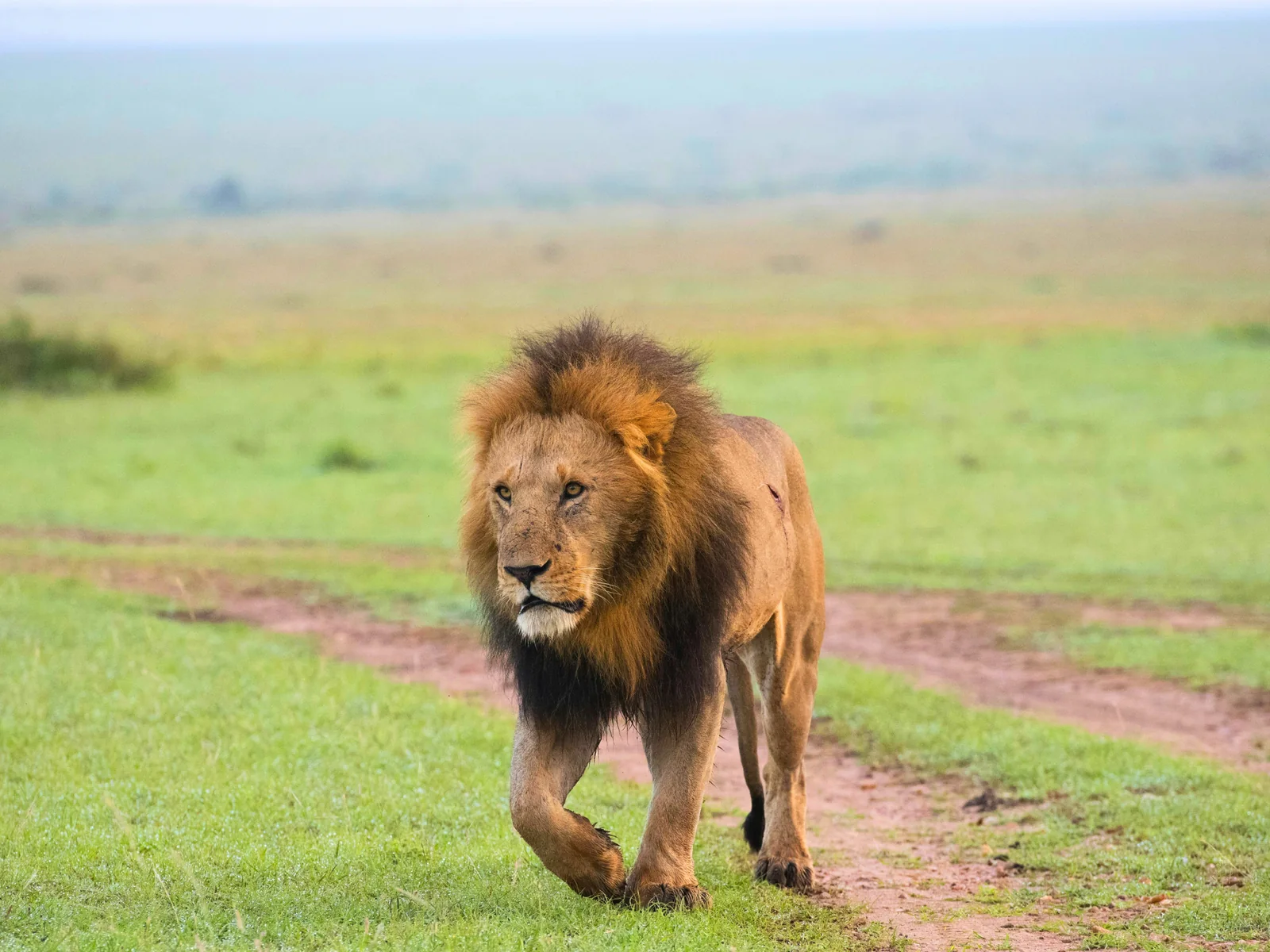
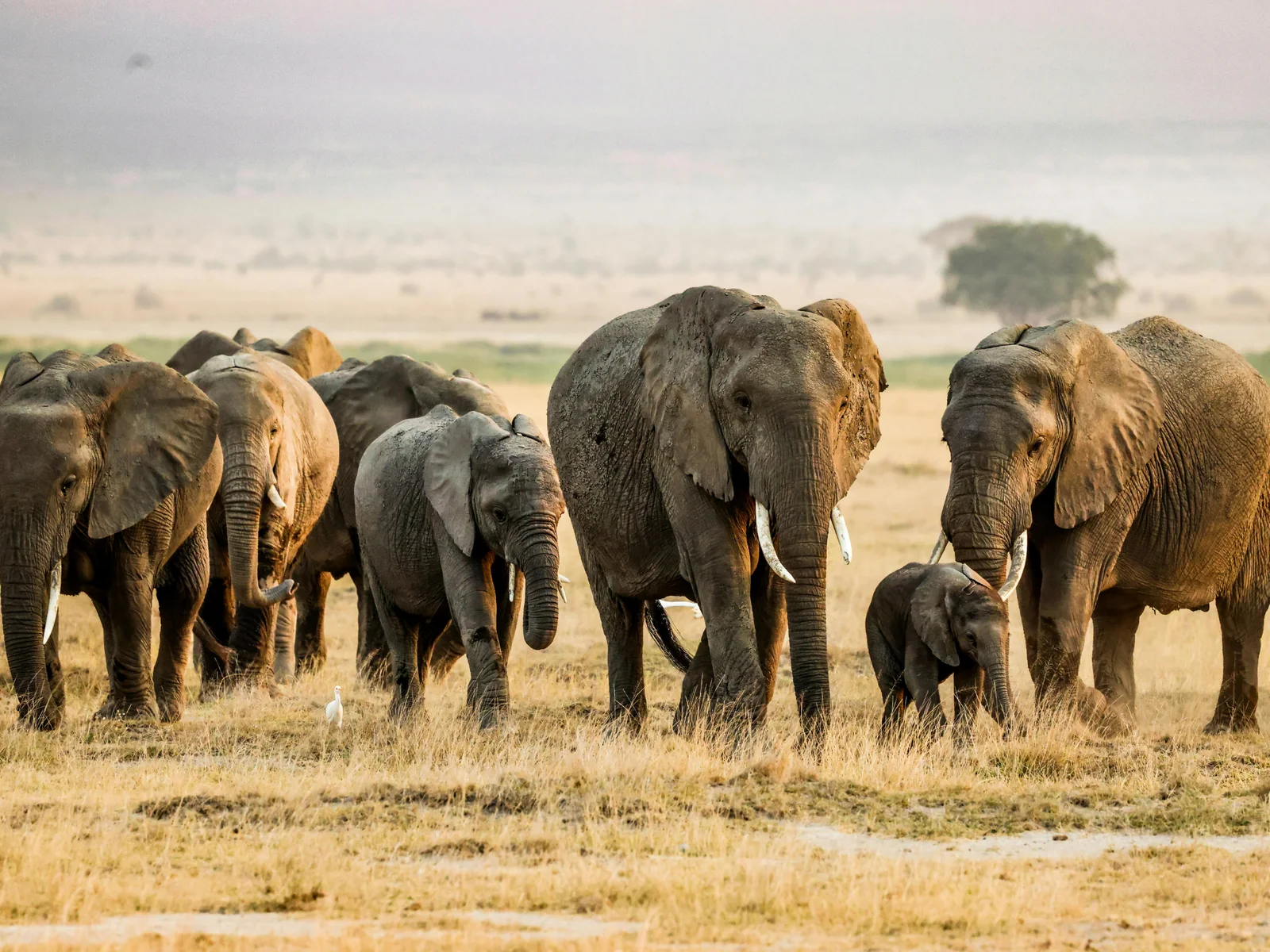
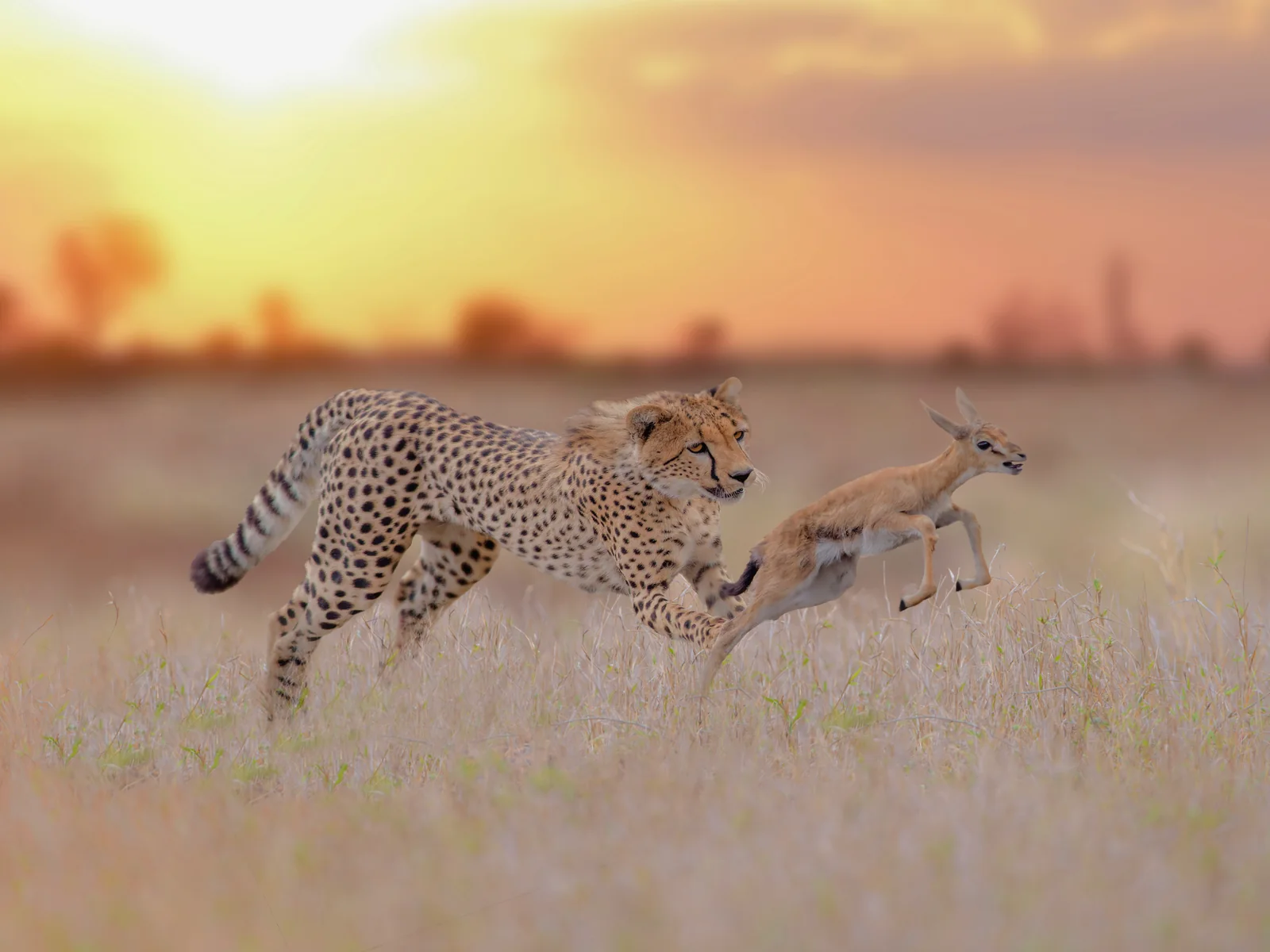
There are resident lion prides, cheetahs, elephants, giraffes, plains game and many other species independent of the migration.
So one of the first questions we ask when planning a trip is:
Are you paying for the migration specifically, or are you paying for a great Mara safari?
Those are not always the same requirement.

Why a private vehicle changes the economics
This is one of the most misunderstood parts of safari costing.
A safari vehicle has a largely fixed operating cost.
2 travellers
If two people hire a private Land Cruiser, that cost is divided between two.
6 travellers
If six people travelling together use that vehicle, much of the same cost is divided among six.
That is why group size has such a dramatic impact on per-person safari pricing.
A shared safari takes that idea further. You purchase seats rather than effectively carrying the cost of your own vehicle.
It can be excellent value.
But there is a trade-off.
What you give up in a shared vehicle
- departure times are shared decisions;
- how long you remain at a sighting is a shared decision;
- positioning for photography is not entirely under your control;
- other guests may have different priorities;
- and the day’s pace belongs to the group.
For a first safari where budget is the main concern, that may be absolutely fine.
For serious wildlife photographers, families wanting flexibility, or travellers who simply don’t want their safari dictated by strangers, a private vehicle is often one of the most worthwhile upgrades in the entire trip.
We would often prioritize that before upgrading to a fancier room.
Your lodge isn’t just a bed
Location matters. Accommodation in the Mara should never be evaluated purely by room photographs.
A property can have a beautiful room, swimming pool and attractive price while still being inconvenient for the particular safari you are trying to do.
Safari access
How quickly you reach productive wildlife areas and which gate you use.
Drive efficiency
How much driving happens before the real game drive begins.
Reserve position
Whether you are staying inside or outside the reserve, or in a conservancy.
Safari structure
The activities available and how your game drives are structured.
This is one of the areas where saving money can become false economy.
A lower room price may be attractive.
But if the location consistently eats into prime safari time, you have saved money on the hotel and compromised the reason you flew to Kenya.
The correct order is usually:
1. Choose the safari experience first.
2. Choose the geography.
3. Choose the lodge.
Not the other way around.
Budget, mid-range and luxury aren’t only about the room
When people hear “luxury safari”, they often imagine marble bathrooms and better food.
That is only part of it.
What the higher price can actually buy
Better positioning
A better location, fewer rooms, lower vehicle density in some areas.
More convenience
Fly-in convenience, included activities and conservancy access.
More exclusivity
More personalized service, better guiding ratios, or simply more privacy.
Likewise, a good mid-range lodge can sometimes deliver an excellent safari without the premium associated with a highly exclusive camp.
That is why we don’t like reducing Mara accommodation to a simple:
Budget / 3-star / 4-star / 5-star
Safari accommodation does not work quite like a city hotel.
Location and operating model can matter as much as the star rating.
Flights from India: IndiGo or Kenya Airways?
For travellers starting in Mumbai, there are currently two useful non-stop options to Nairobi: IndiGo and Kenya Airways. The cheapest fare is not always the best choice, because the return timing can change the final night of your itinerary.
IndiGo
IndiGo operates the direct Mumbai–Nairobi route and its fares can move considerably with season and demand. In practice, it is often a competitive option when booked at the right time. See IndiGo’s Mumbai–Nairobi route page.
The main advantage: recent August 2026 tracking has generally shown strong on-time performance on this route.
The important drawback: the Nairobi–Mumbai return is currently scheduled around 06:40. For most Mara road itineraries, that means you need to return to Nairobi and stay there on the final night before flying home.
Kenya Airways
Kenya Airways also operates non-stop Mumbai–Nairobi services. Its fares vary substantially by date; when checked in August 2026, the airline was displaying return examples from roughly the high-₹40,000s upward, with some dates considerably higher. See the Kenya Airways fare page.
The main advantage: the return timings are much more safari-friendly. Current schedules include Nairobi departures around 16:45 and, on selected days, around 20:45. That can make it possible to use the last day more efficiently instead of automatically sacrificing it to an airport hotel.
The trade-off: punctuality can be inconsistent. Recent August 2026 flight history has included significant delays and a cancellation on some Kenya Airways services, so we would always leave sensible buffers around important connections.
So which one would we choose?
If IndiGo is materially cheaper and you are already planning a final Nairobi night, it can be the cleaner value choice. If you want to avoid that compulsory last night in Nairobi, the later Kenya Airways return timings can be worth paying more for.
For travellers from Delhi, Bengaluru, Ahmedabad, Hyderabad, Chennai and other Indian cities, the comparison also needs to include the domestic positioning or connection into Mumbai.
Do not compare only the airfare. Compare the airfare + Nairobi hotel + airport transfer + the safari time you gain or lose because of the schedule.
Kenya eTA is a small cost, but don’t forget it
What it is
Kenya currently uses an Electronic Travel Authorisation system.
Current standard fee
The official Kenya eTA portal currently lists standard processing as starting from USD 30.
It is a relatively small component of the overall safari cost, but it belongs in the complete trip budget.
Because entry requirements can change, this is exactly the sort of information that should be rechecked close to travel rather than copied indefinitely from an old article.
Drive to the Mara or fly?
This isn’t simply a luxury-versus-budget decision.
It is fundamentally a money-versus-time decision.
Driving gives you the changing Kenyan landscape and keeps the transport economics relatively straightforward, particularly when your safari Land Cruiser travels with you.
Flying into the Mara removes much of the road journey and gets you into the safari ecosystem faster.
That can make a large difference when time is limited.
For example, if you only have three nights, spending a substantial part of the first and last day on road transfers matters more than it does on a five-night itinerary.
But the flight does not exist in isolation.
You also need to consider:
- airport transfers in Nairobi;
- luggage restrictions;
- the Mara airstrip closest to your camp;
- onward game-drive arrangements;
- whether your lodge package includes shared drives;
- and what happens to the vehicle economics.
So rather than asking:
“Is flying better?”
ask:
“How much useful safari time does flying buy me on this particular itinerary?”
Three nights or four nights in the Mara?
Three nights can work.
But you need to understand what “three nights” actually means.
3 nights
A three-night road itinerary might look roughly like:
Day 1: Travel to the Mara + afternoon game drive
Day 2: Full safari day
Day 3: Full safari day
Day 4: Departure
That’s a perfectly valid safari.
4 nights
But compare it with four nights:
Day 1: Arrival + game drive
Day 2: Full day
Day 3: Full day
Day 4: Full day
Day 5: Departure
That extra night is not simply another evening in the hotel.
It gives you another full wildlife day.
Wildlife does not perform according to your itinerary.
One day may be exceptional. Another may be quiet.
More time gives you more opportunities to let the safari unfold rather than trying to tick everything off in forty-eight hours.
For many travellers, four nights is a very good balance if the budget allows it.
Three nights is still worthwhile when time or cost dictates otherwise.
Where we would save money—and where we wouldn’t
There are sensible ways to bring the cost down.
We would consider saving on:
Travel season
If migration isn’t essential, travelling outside peak season can materially change the economics.
Accommodation category
A good mid-range lodge can often be a far better use of money than paying purely for luxury.
Shared vehicle
For travellers comfortable with the compromises, this can reduce cost dramatically.
Road rather than air
Especially on a longer itinerary where the transfer time is less damaging.
We would be careful about saving on:
Location
A badly positioned lodge can waste valuable safari time.
Vehicle quality
This is not just transport. It is where you may spend eight or ten hours of your safari day.
Guiding
A good guide changes how much you understand and often how effectively you use your time.
Too few safari days
Flying all the way from India and then squeezing the Mara into an overly rushed itinerary is often the wrong place to economize.
How to compare two Masai Mara quotations properly
Don’t compare only: USD 1,900 vs USD 2,300. Instead compare line by line.
Ask:
Where exactly are we staying?
Inside the reserve, outside it, Mara Triangle or conservancy?
What vehicle are we getting?
Safari van or 4×4 Land Cruiser?
Is it private?
And if shared, with how many people?
How many actual game drives are included?
“3 nights safari” doesn’t automatically tell you this.
Are park fees included?
At USD 200 per adult per day in the second half of the year, this is not a minor detail.
Are Nairobi transfers included?
Airport–hotel, hotel–Wilson Airport and similar sectors can easily disappear from headline prices.
Which meals are included?
Full board at safari lodges is common, but Nairobi arrangements may differ.
Are there compulsory or likely extras?
Balloon safari, village visits, drinks, tips, additional activities and certain conservancy arrangements can sit outside the base cost.
Once those details are aligned, you have a real comparison.
Until then, you are comparing numbers rather than safaris.
A practical way to think about your budget
Instead of starting with: “I have ₹X. Give me Masai Mara.”
We would start with five decisions.
1. When are you travelling?
This immediately affects park fees and accommodation pricing.
2. How many people are travelling?
This strongly affects vehicle economics.
3. How many nights do you want in the Mara?
This establishes how much actual safari time you’re buying.
4. Private or shared vehicle?
For many travellers, this is the biggest experience-versus-cost decision.
5. What matters more: room luxury or safari quality?
That answer determines where your money should go.
Once those five things are known, costing becomes far more meaningful.
Things most safari quotations don’t explain clearly
The cheapest lodge may not produce the cheapest good safari.
The most expensive lodge does not automatically produce the best wildlife experience.
A private vehicle can matter more than upgrading the room.
One extra night can mean one extra full safari day, not merely one extra hotel night.
Peak migration pricing only makes sense if peak migration is actually important to you.
A safari quotation and the total India-to-India trip cost are not necessarily the same thing.
That final point is particularly important.
International flights, eTA, Nairobi accommodation, meals outside the safari, optional activities and personal expenses may sit outside a safari quotation.
Always establish what the quoted price covers.
Planning this with Safari Lab
Safari Lab builds India-to-Kenya safari budgets around the complete trip — international flight timing, Nairobi nights, lodge location, private vehicle, park fees and food requirements — rather than comparing one headline package price.

4.9/5 · 157 reviews
Frequently asked questions
Is Masai Mara expensive for Indian travellers?
It can be, particularly during July–December or when travelling privately as a couple. But there is a wide range of safari styles, and group size, accommodation category, duration and season can change the per-person cost dramatically.
Is July or August worth the higher cost?
If the Great Migration is one of your primary reasons for travelling, potentially yes. If your objective is simply excellent wildlife viewing, there are other months worth considering.
Should we take a safari van or Land Cruiser?
For our own planning, we generally prefer a proper 4×4 Land Cruiser for the safari experience, particularly for longer game-drive days and photography. The lower-cost option may still make sense where budget is the overriding concern.
Is three nights enough in Masai Mara?
Yes, three nights can work and gives you two full safari days plus arrival-day game driving in a typical road itinerary. Four nights gives you considerably more breathing room and another full safari day.
Should we stay inside or outside the reserve?
There isn’t one universal answer. Location, pricing, gate access, game-drive plan and the particular lodge all matter. We cover this separately in our Reserve vs Conservancy guide.
Is it cheaper to drive from Nairobi?
Usually, yes. Flying is primarily about saving time and convenience rather than reducing the trip cost.
How much is the Kenya eTA?
The official Kenya eTA portal currently lists standard processing as starting from USD 30. This should be rechecked before applying.
The bottom line
There is no honest single answer to:
“How much does a Masai Mara trip from India cost?”
A couple travelling privately in August, staying at a premium camp and flying into the Mara is purchasing a completely different safari from six friends sharing a Land Cruiser in February and staying at a good mid-range lodge.
Both can have excellent safaris.
The important thing is understanding what you are paying for and where spending more actually improves the experience.
Start with the safari you want.
Then build the cost around it.
Not the other way around.
Planning a Masai Mara safari?
If you’re comparing options, start with your travel dates, number of travellers, preferred number of nights and whether you want a private vehicle.
Those four details tell us far more than simply asking for the “cheapest Masai Mara package.”
Updated: 21 August 2026
Reviewed for 2026 park fees, Kenya entry requirements and current India–Nairobi connectivity.