
Nairobi to Masai Mara: Drive or Fly in 2026?
The right choice is not simply road versus air. It is a decision about safari time, cost, comfort, luggage and how your entire Mara safari will operate.
Getting from Nairobi to the Masai Mara looks like a simple transport decision.
It isn’t.
The choice affects how much safari time you get, what the trip costs, how your vehicle operates once you reach the Mara, how much luggage you can carry, and sometimes whether the itinerary feels relaxed or rushed.
For some travellers, driving makes much more sense. For others, flying is worth every extra dollar.
The useful question is not:
“Is flying better than driving?”
It is:
“What does each option buy me on this particular itinerary?”
The quick answer
Drive from Nairobi
5.5–6.5 hoursTypically, depending on Nairobi traffic, stops, road conditions and where in the Mara you are actually staying.
Best for: value, private-vehicle continuity, families/groups and road-circuit itineraries.
Fly from Nairobi
45–60 min airborneScheduled bush flights generally leave from Wilson Airport. Total door-to-door time is longer once transfers, check-in and airstrip logistics are included.
Best for: short itineraries, fly-in camps and travellers who value time over cost.
Driving from Nairobi to Masai Mara
For most road safaris, the journey runs from Nairobi toward Narok and then onward to the part of the Mara where your lodge or camp is located.
The Mara is large. Sekenani, Talek, Musiara, Oloololo, the Mara Triangle and different conservancies all have different final road sectors.
| Destination area | Approximate planning time | What changes it |
|---|---|---|
| Sekenani Gate | 5.5–6 hours | Nairobi traffic, stops, road conditions |
| Talek Gate | 5.5–6 hours | Approach and local road conditions |
| Oloolaimutia area | Around 6 hours | Traffic and final lodge location |
| Musiara area | Around 6.5 hours | Longer final approach |
| Oloololo / western Mara | Around 6.5 hours | Western access and final road sector |
These are planning times rather than guarantees. Traffic, rainfall, stops and local road conditions can all move the actual arrival time.
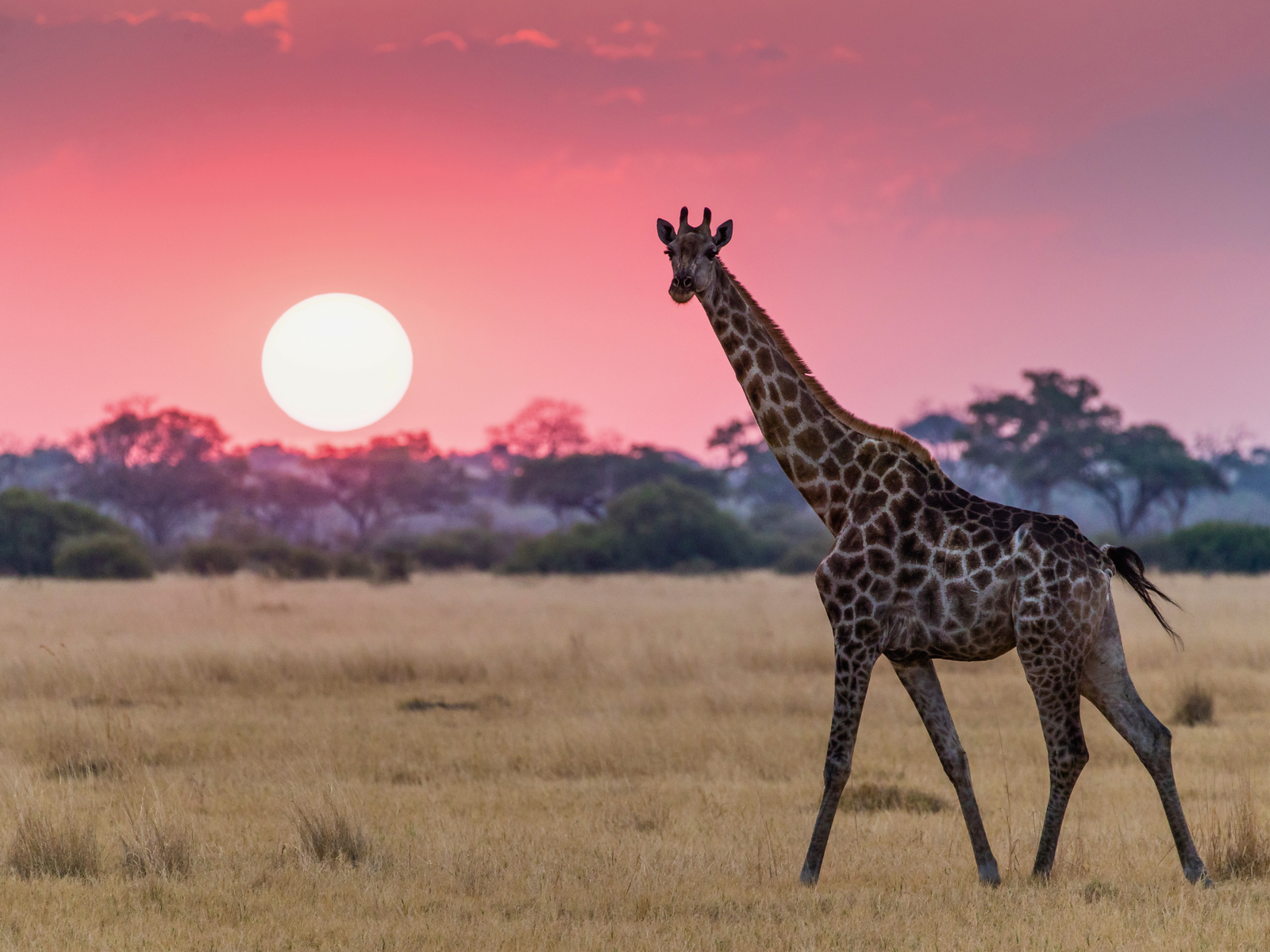
The road journey is not six hours on a highway
A large part of the route is normal road travel. But as you move closer to the Mara, the journey becomes progressively more safari-like.
Road quality varies by approach, and inside the reserve and conservancies you are travelling on safari tracks rather than normal highways.
In dry weather, dust is part of the experience. In wet conditions, some sections can become slower and rougher.
Leave Nairobi early
An early departure is usually preferable because it reduces the risk of losing time in Nairobi traffic and gives you a better chance of reaching the Mara early enough to use part of the afternoon for safari.
A departure around 06:00–06:30 is often far more useful than beginning the journey casually after breakfast.
The objective is not simply to arrive at the hotel. It is to avoid turning your first Mara day into nothing more than a transfer day.
Is the drive uncomfortable?
It can be tiring, but for many travellers it is perfectly manageable.
The drive may be less attractive for very elderly travellers, people with significant back problems, very young children who dislike long journeys, or anyone arriving exhausted after a long international flight.
That is where flying can be worth paying for.
A private Land Cruiser changes the logic of driving
If your safari uses a private Land Cruiser from Nairobi, the same vehicle can potentially handle both your transfer to the Mara and your game drives inside the Mara.
You load your luggage once. Your guide travels with you. The vehicle that takes you to the Mara is already your safari vehicle.
Why groups benefit
For a family or group, this can make excellent economic sense because the fixed vehicle cost is shared across more travellers.
That is very different from buying a separate road transfer and then paying again for another safari vehicle at the lodge.
Safari Land Cruiser or safari van?
Not every road safari uses the same vehicle.
Safari van
Generally the cheaper option and perfectly usable for some itineraries.
4×4 Land Cruiser
Usually costs more, but ground clearance, reliability, viewing position and ability to handle poorer safari tracks all matter once you are inside the ecosystem.
Your lodge location should come before the transport decision
One of the most common planning mistakes is deciding “we will drive” or “we will fly” before deciding where the accommodation is.
1. Choose the safari area
Reserve, Triangle, eastern approaches or conservancy.
2. Choose the lodge
The exact camp determines road access and the sensible airstrip.
3. Choose the transport
Then select road, air or a mixed plan that fits the actual geography.
Flying from Nairobi to Masai Mara
Scheduled safari flights generally operate from Wilson Airport in Nairobi.
Wilson is separate from Jomo Kenyatta International Airport and is the main departure point for many Kenya bush flights.
Operators such as AirKenya and Safarilink serve Mara airstrips.
Typical airborne time is roughly 45–60 minutes, but a bush flight may make intermediate airstrip stops rather than operating like a single nonstop airline sector.
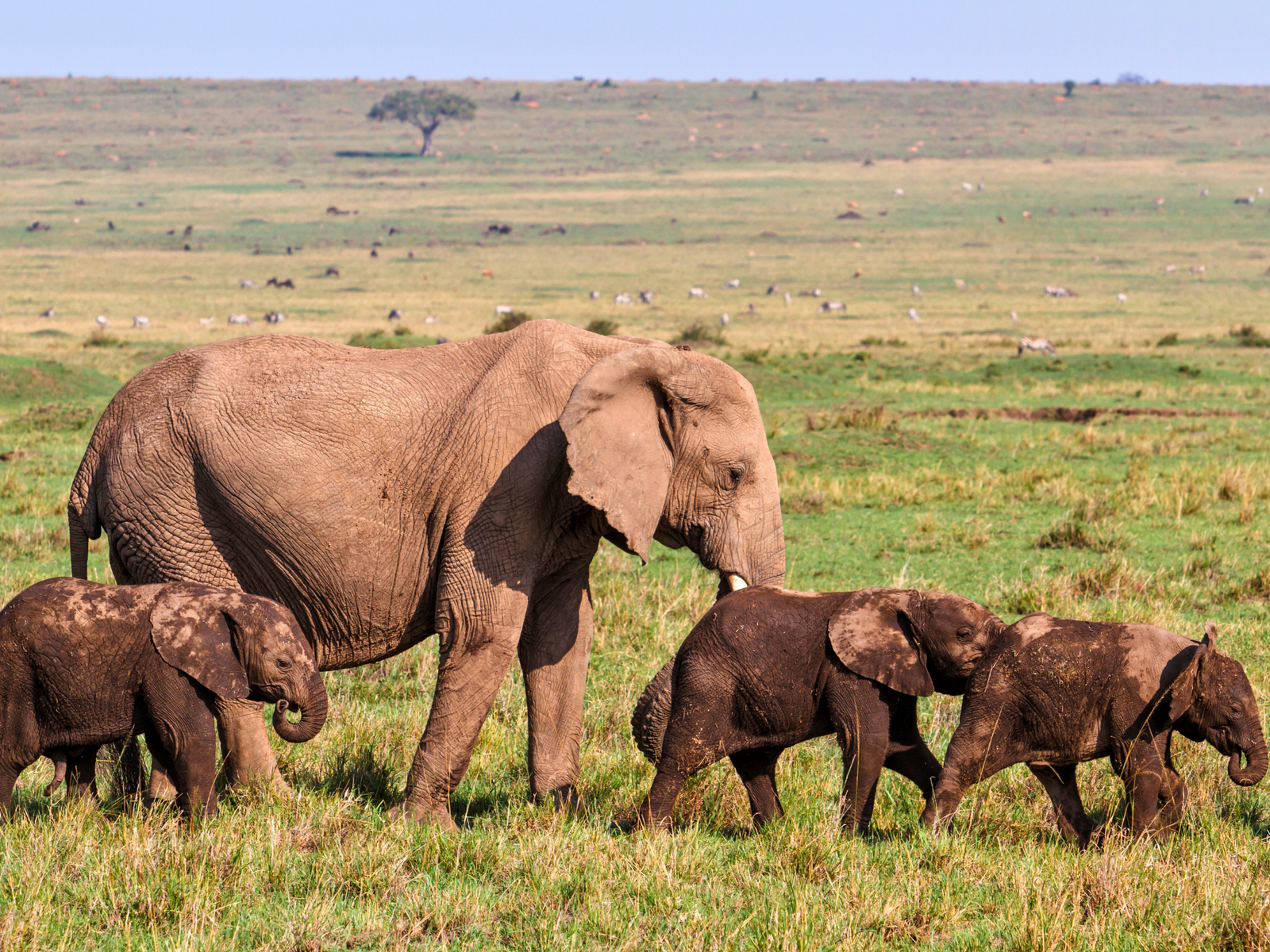
Wilson Airport and JKIA are not the same airport
Your international flight normally arrives at Jomo Kenyatta International Airport. Your Mara bush flight generally departs from Wilson Airport.
Nairobi traffic and an international delay can turn a theoretically possible connection into a missed safari flight.
Do not assume flying saves five full hours
Road journey
Hotel / airport → Land Cruiser → Mara lodge
Longer, but operationally simple.
Fly-in journey
Hotel / JKIA → Wilson → check-in → bush flight → airstrip → lodge transfer
Much shorter in the air, but with more moving parts.
Flying still saves useful time. The point is to compare door to door, not simply the scheduled flight time.
The shorter your safari, the more flying can matter
3 nights
If you drive both directions, a meaningful part of Day 1 and Day 4 is transfer time.
Flying at least one way deserves serious consideration.
4–5 nights
The longer you stay, the smaller the road-transfer time becomes as a percentage of the safari.
Driving becomes easier to justify.
Flying changes the vehicle economics
If you drive from Nairobi in your own private safari Land Cruiser, you arrive in the Mara with your safari vehicle.
It is the complete road-safari operating model versus the complete fly-in operating model.
Depending on the camp, lodge-operated game drives may also be shared unless a private vehicle supplement is added.
When flying makes the most sense
- You have very little time.
- You are staying at a high-end fly-in camp.
- Long road journeys are physically difficult.
- You are combining distant safari regions.
- You value convenience more than price.
When driving makes more sense
- You are travelling as a family or group.
- You already want a private Land Cruiser.
- You are combining the Mara with Naivasha or Nakuru.
- You have four or more nights.
- Value matters more than saving several hours.
Road + Naivasha or Lake Nakuru changes the decision completely
If your Kenya itinerary includes Naivasha or Lake Nakuru, road travel often becomes much more logical because the route is already moving through the Rift Valley.
In this situation, paying to fly to the Mara may offer much less benefit because the road journey is part of the wider itinerary rather than a standalone transfer.
Can you drive one way and fly the other?
Yes — and for some itineraries this is the best compromise.
Drive in, fly out
Useful when you want the scenic road journey and private-vehicle safari, but a faster return to Nairobi.
Fly in, drive out
Useful when you want to reach the Mara quickly but your onward route continues by road through Naivasha, Nakuru or elsewhere.
The Mara airstrip matters
There is no single “Masai Mara Airport.” There are multiple airstrips spread across the reserve and surrounding conservancies.
AirKenya lists Mara stops including locations such as Keekorok, Ol Kiombo, Musiara, Kichwa Tembo, Mara North, Olare Motorogi, Siana, Ol Seki, Angama and Serena.
Landing on the wrong side of the ecosystem can replace some of the time you saved flying with a long ground transfer.
Bush-flight luggage rules are very different from international airlines
Typical allowance
15 kg total per passenger is commonly published by AirKenya and Safarilink on many safari services, including hand luggage.
Bag type
Soft-sided luggage is preferred or required because bush aircraft have small, irregularly shaped baggage compartments.
Excess baggage
Do not assume it will automatically travel with you. Capacity and arrangements need to be confirmed in advance.
See the current policies from AirKenya and Safarilink before travel.
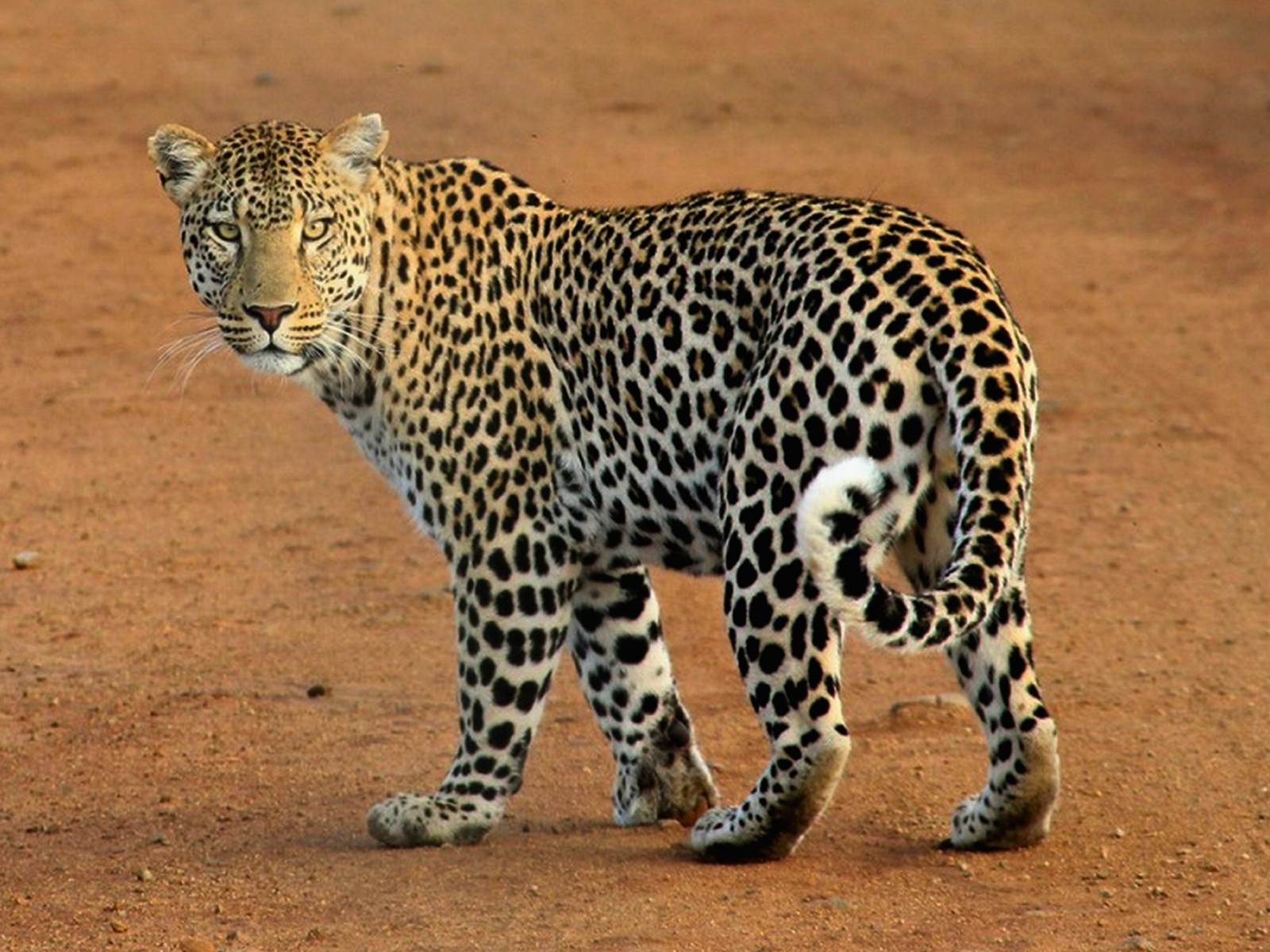
Should you go straight to the Mara after an international arrival?
Sometimes. But not always.
The decision depends on scheduled arrival time, immigration, baggage collection, traffic, fatigue, daylight, road conditions and where exactly you are staying.
If an international flight lands very early, a same-day road transfer may work well.
If it lands later, trying to force the Mara transfer can turn the day into an exhausting race.
What about delays or operational changes?
Safari flights use smaller aircraft and regional airstrips. Schedules can be affected by weather, airstrip conditions, aircraft routing, operational requirements, intermediate stops and passenger loads.
This does not make bush flying unreliable. It simply means it should not be planned with the same assumptions as a metro timetable.
Road vs flight: the real comparison
| Factor | Drive | Fly |
|---|---|---|
| Cost | Usually lower | Usually higher |
| Transit time | Longer | Shorter |
| Private vehicle continuity | Excellent | Depends on lodge setup |
| Group economics | Very strong | Less affected by group size |
| Luggage flexibility | Much better | Restricted |
| Scenic journey | Yes | Limited but aerial views |
| Best for short safari | Less ideal | Strong option |
| Best for road circuit | Excellent | Often unnecessary |
| Airport logistics | Simple | Wilson transfer/check-in required |
| Door-to-door simplicity | Usually simpler | More moving parts |
| Comfort for avoiding long drives | Lower | Higher |
Our practical rule of thumb
3 nights
Seriously consider flying at least one way.
4+ nights
Driving becomes much easier to justify.
Family / group
Road often makes strong economic and operational sense.
Naivasha / Nakuru
Road is usually the natural solution.
High-end fly-in camp
Flying often fits the operating model better.
The real test
How much useful safari time does flying actually buy?
Planning this with Safari Lab
Safari Lab compares road and air transfers around the client’s budget, comfort preference and overall itinerary. There is no fixed rule that one option is always better.
4.9/5 · 157 reviews
Frequently asked questions
How long does Nairobi to Masai Mara take by road?
Typically around 5.5–6.5 hours depending on traffic, route, stops and the part of the Mara you are travelling to.
How long is the flight from Nairobi to Masai Mara?
Usually around 45–60 minutes of flying time. Services with intermediate airstrip stops can take longer.
Which Nairobi airport do Masai Mara flights use?
Scheduled safari flights generally use Wilson Airport, not JKIA.
Can I fly directly from JKIA to Masai Mara?
Scheduled Mara flights normally depart from Wilson, so an international traveller generally needs a road transfer from JKIA to Wilson.
Is the road to Masai Mara very bad?
Much of the journey is on normal roads, but road quality varies closer to the reserve and on different approaches. Safari tracks inside the ecosystem are unpaved.
Can I drive one way and fly the other?
Yes. This can be an excellent compromise.
Which Masai Mara airstrip should I use?
The one recommended for your lodge or camp. There are multiple airstrips across the reserve and conservancies.
How much luggage can I take on a Mara bush flight?
AirKenya and Safarilink commonly publish a 15 kg total allowance per passenger on many safari services, including hand luggage, with soft-sided bags preferred or required.
Is flying worth it for three nights?
Often more than it is for a longer safari, because the hours saved represent a larger proportion of the trip.
Is driving better for families?
Often yes, especially when several people are sharing a private Land Cruiser and luggage flexibility matters.
Bottom line
Driving and flying are not simply cheap versus expensive.
They are two different safari operating models.
Driving gives you continuity, luggage flexibility and strong group economics. Flying buys you time and removes much of the long road journey.