
Masai Mara Gates & Regions: Sekenani, Talek, Musiara, Oloololo & More
The Mara is not one entrance and one road. Understanding the gates and regions helps explain transfer times, lodge locations, park fees and why two “Masai Mara” itineraries can operate very differently.
Why the gate matters
A gate is more than a checkpoint. It determines how your vehicle reaches the Reserve, how much of the day is spent on access roads, which sector you naturally game-drive, and whether an outside-Reserve lodge is genuinely convenient.
The National Reserve management plan recognises several main gates, including Sekenani, Talek, Musiara, Oloololo, Sand River, Oloolaimutia and Purungat. In practice, not every traveller uses every gate; the correct one depends on the lodge, road approach and whether the itinerary is on the eastern Reserve or the Mara Triangle side.
When we see a lodge described as “near Masai Mara,” the next question is: near which gate, and how long is the real drive to it?
Quick map: the gates most travellers hear about
| Gate / entry | Broad position | Why travellers use it |
|---|---|---|
| Sekenani | Eastern Reserve | Major road entry from Narok/Nairobi; large lodge belt nearby. |
| Talek | Northern / central-east | Popular for camps around Talek and central Reserve access. |
| Musiara | North-western Reserve | Useful for Musiara Marsh, northern Mara River and nearby camps/airstrips. |
| Oloololo | Western Triangle | Main western road gate beneath the Oloololo Escarpment. |
| Purungat Bridge | Boundary between eastern Reserve and Triangle | Key controlled crossing into the Mara Triangle. |
| Sand River | South-east / Tanzania boundary | Access toward the Sand River sector and Serengeti border. |
| Oloolaimutia | South-east | Serves camps and settlements on the south-eastern side. |
Sekenani Gate
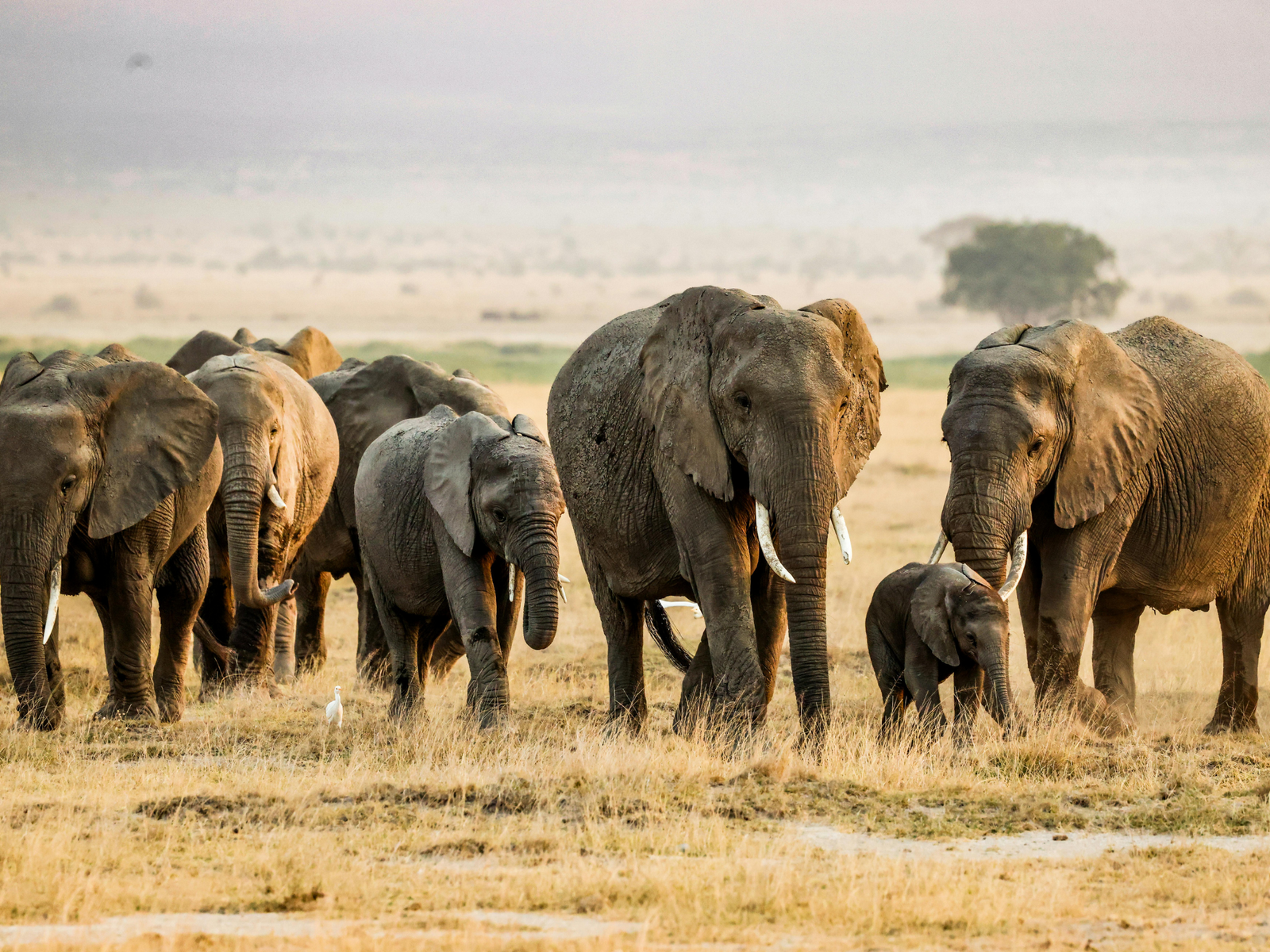
Sekenani is the gate most road travellers know. It is approached from Narok, and the Narok–Sekenani road is now tarmacked. That makes it the obvious eastern gateway for many Nairobi-to-Mara itineraries.
Its popularity also means a large concentration of accommodation has developed around it. This can be a strength for value and room choice, but “Sekenani area” should still be checked carefully. Some lodges are genuinely close to the gate; others are farther away on local roads.
Once inside, the Sekenani side naturally serves the eastern and central Reserve road network. It is a practical entry rather than a guarantee of any particular wildlife sighting.
Talek Gate and the central Mara
Talek is one of the busiest tourism areas because of the number of camps around the Talek River and northern Reserve boundary. From here, vehicles can reach productive central plains without crossing the entire Reserve first.
For travellers staying outside Talek, the important calculation is daily gate time. If a lodge is five or ten minutes away, the arrangement can work very well. If it is much farther north, every Reserve day begins and ends with a non-safari transfer.
Peak-season congestion is also more noticeable around central sighting hotspots. This is where a private vehicle and a guide willing to drive away from crowds can materially change the experience.
Musiara and the northern river sector
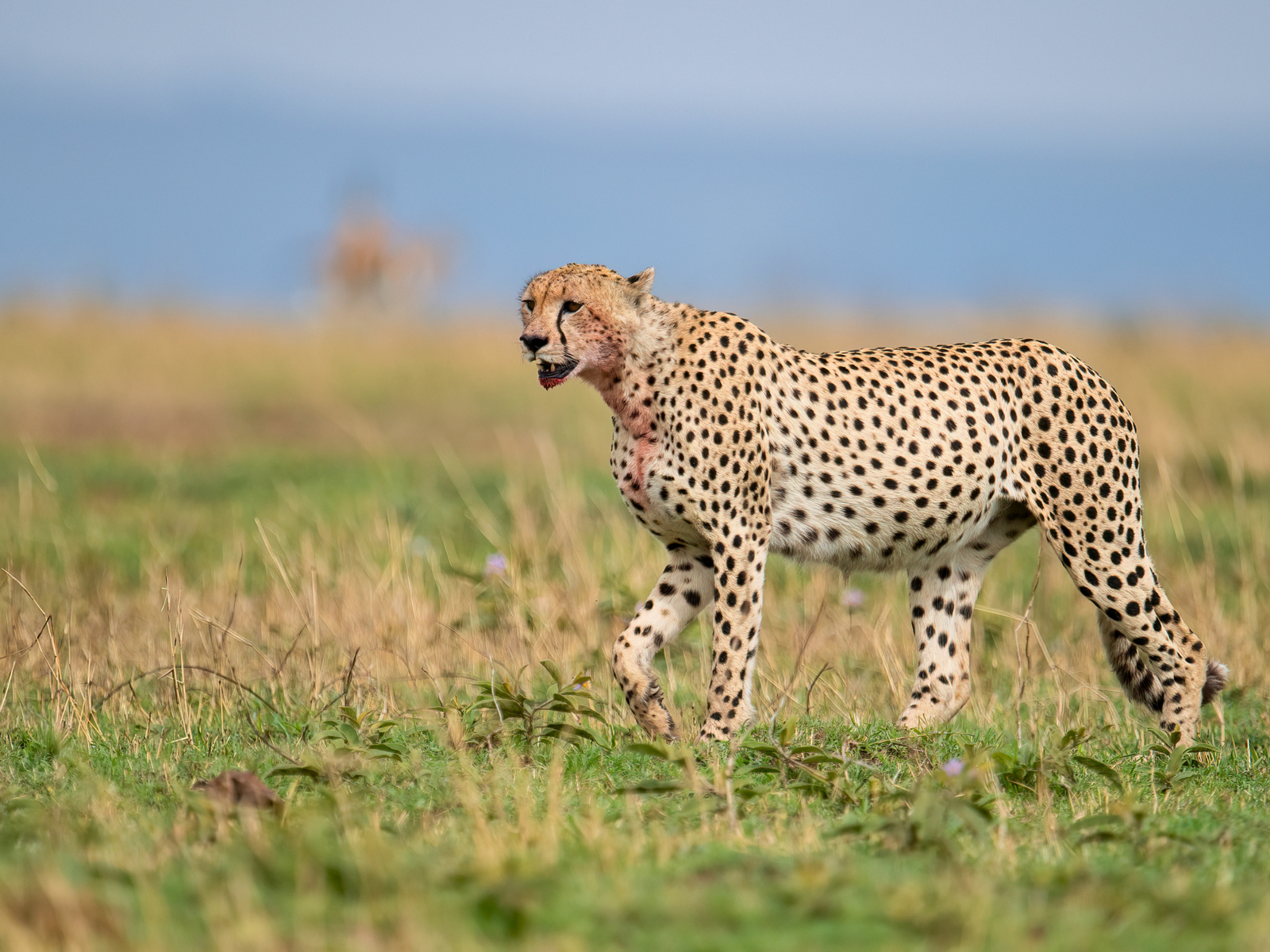
Musiara is associated with the northern Reserve, Musiara Marsh and the northern Mara River system. It is also close to well-known camps and airstrips, so fly-in guests often encounter this region even if they never drive through Sekenani.
The area has excellent resident wildlife and is especially attractive to photographers and repeat visitors who want to spend time in one ecosystem rather than criss-cross the Reserve. During migration months, northern river access becomes a major draw, but crossing activity is never guaranteed on a given day.
Oloololo Gate and the Mara Triangle
Oloololo sits on the western side beneath the escarpment and is the best-known road gate for the Mara Triangle. Mara Conservancy manages this 510 km² western sector separately from the eastern Reserve.
For properties on the western side — including the Kichwa Tembo/Angama/Olonana belt — approaching via Aitong and Oloololo can be more logical than entering through Sekenani. Mara Conservancy itself notes that the fastest road route depends on where the visitor is staying.
The Triangle currently operates daily gate hours, and its own visitor guidance says park tickets are linked to where guests stay. This is why route planning and fee planning should be done together rather than assuming every Reserve entry works identically.
Purungat Bridge: the gate travellers misunderstand
Purungat is important because it links the eastern side of the National Reserve with the Mara Triangle. It is not simply another outside entrance from the public road network; it functions as a controlled crossing into the separately managed Triangle.
Mara Conservancy currently instructs guests staying in the Triangle who enter the eastern Reserve through Sekenani not to pay Triangle fees at Sekenani, but to pay when entering the Triangle at Purungat. This is a good example of why a generic phrase such as “park fees included” is not enough to understand an itinerary.
If your lodge is in the Triangle but your road transfer comes through Sekenani, the fee and ticket logic can differ from a guest who enters directly through Oloololo.
Sand River and Oloolaimutia
The south-eastern Reserve is less familiar to first-time visitors but important geographically. Sand River Gate serves the southern border area close to Tanzania and the Serengeti ecosystem. Oloolaimutia serves the south-eastern side and nearby accommodation zones.
These entries can be useful when a lodge sits naturally in that sector, but they are not automatically the best gates for a standard Nairobi road itinerary. Choosing a gate because it appears close on a map can be misleading if the connecting roads are slower or seasonal.
Road conditions can change the answer
Distances in the Mara should not be judged like highway distances. Rain, flooding, road grading, bridge repairs and wildlife can all affect drive time. Mara Conservancy’s 2026 monthly reports, for example, documented rain damage to drifts, bridges and culverts and ongoing road repairs around Oloololo, Purungat, Musiara and other sectors.
That does not mean the Mara is inaccessible. It means the route that was fastest last dry season may not be the route a guide prefers after heavy rains.
Use the lodge’s operational access route and current road information rather than a generic map estimate.
Gates and park fees
The gate you use can affect how park access is recorded, especially when an itinerary crosses between the eastern Reserve and the Mara Triangle or combines the Reserve with a private conservancy.
For non-resident travellers, park fees are significant enough that the access pattern should be explicit in the quote. A three-night stay does not automatically mean the same number of Reserve fee days for every lodge location.
Read the full Masai Mara Park Fees guide before comparing two lodge locations on room rate alone.
How gates should influence where you stay
Road arrival from Nairobi
Sekenani is often the simplest eastern entry, but western lodges may be better approached via Aitong/Oloololo.
Short safari
Minimise gate commuting. Stay where your first game drive can begin quickly.
Migration focus
Choose a sector that gives good river access without assuming a crossing will happen.
Conservancy stay
Your daily game drives may not use a Reserve gate at all unless Reserve days are deliberately added.
Safari Lab planning approach
Safari Lab treats gates as part of the itinerary architecture. When comparing lodges, we look at the actual arrival route, the likely game-drive area, park-fee days, whether the vehicle is private, and whether a flight would change the best lodge location.

4.9/5 · 157 reviews
Frequently asked questions
Which is the main gate to Masai Mara?
Sekenani is the best-known road entry from Nairobi/Narok, but it is not the only important gate.
Is Talek Gate better than Sekenani?
Neither is universally better. It depends on where your lodge is and which part of the Reserve you intend to use.
What is Purungat Gate?
Purungat Bridge is a key controlled crossing into the Mara Triangle from the eastern side of the Reserve.
Can I drive from Sekenani to Oloololo?
Yes, but the route crosses a large part of the Mara and should be planned around road conditions and the day’s itinerary rather than treated as a short transfer.
Do gates close at night?
Protected-area entry is controlled. The Mara Triangle, for example, currently publishes daily operating hours and does not permit normal visitor entry late at night.