
Short on time?Read the 60-second summary
Jump to section
Where to Stay in Masai Mara: Best Areas, Lodges & Conservancies
Choose the area first, then the lodge. Location affects game-drive time, park fees, vehicle density, transfer logistics and the kind of safari you actually get. Once you understand the areas, compare specific properties in our Best Masai Mara Lodges & Camps guide.
The lodge name is not the first decision
We do not start with room photos, meal plan and price. In the Mara, those come after geography.
Two properties with similarly attractive rooms can create completely different safari days because one may sit inside the National Reserve, another just outside a gate, and another in a private conservancy with its own access rules.
The first question we ask is therefore: where exactly is the property, and how much usable wildlife time does that location give us?
That distinction matters because “Masai Mara” is used very loosely in accommodation listings. A camp can market itself as a Mara property while still requiring a meaningful drive before the real game drive begins.
We treat the room as only one part of the product. The real comparison is: room + exact location + gate access + vehicle model + park/conservancy fees + transfer time + how the property fits the rest of the route.
Once the geography is right, our Tented Camp vs Safari Lodge guide helps with the separate comfort-and-atmosphere decision.
The four broad location types
Inside the National Reserve
Best for straightforward Reserve access. You wake up inside the protected area, so there is no daily gate commute before wildlife viewing begins. This is particularly useful when the safari is short or wildlife time is the main priority.
Immediately outside a Reserve gate
Often better value on the room rate, and sometimes very convenient. But every Reserve day depends on the relevant gate, opening time, road condition and park-fee structure. “Outside” can mean five minutes from a gate or much farther.
Inside a private conservancy
A different safari model rather than simply another location. Conservancies can offer lower vehicle density, off-road flexibility in designated situations, night drives or walking depending on local rules, but their own fees and operating conditions apply.
Mara Triangle / western sector
The Mara Triangle is part of the National Reserve but separately managed by Mara Conservancy. It covers about one-third of the Reserve and includes the Oloololo Escarpment and western Mara River system.
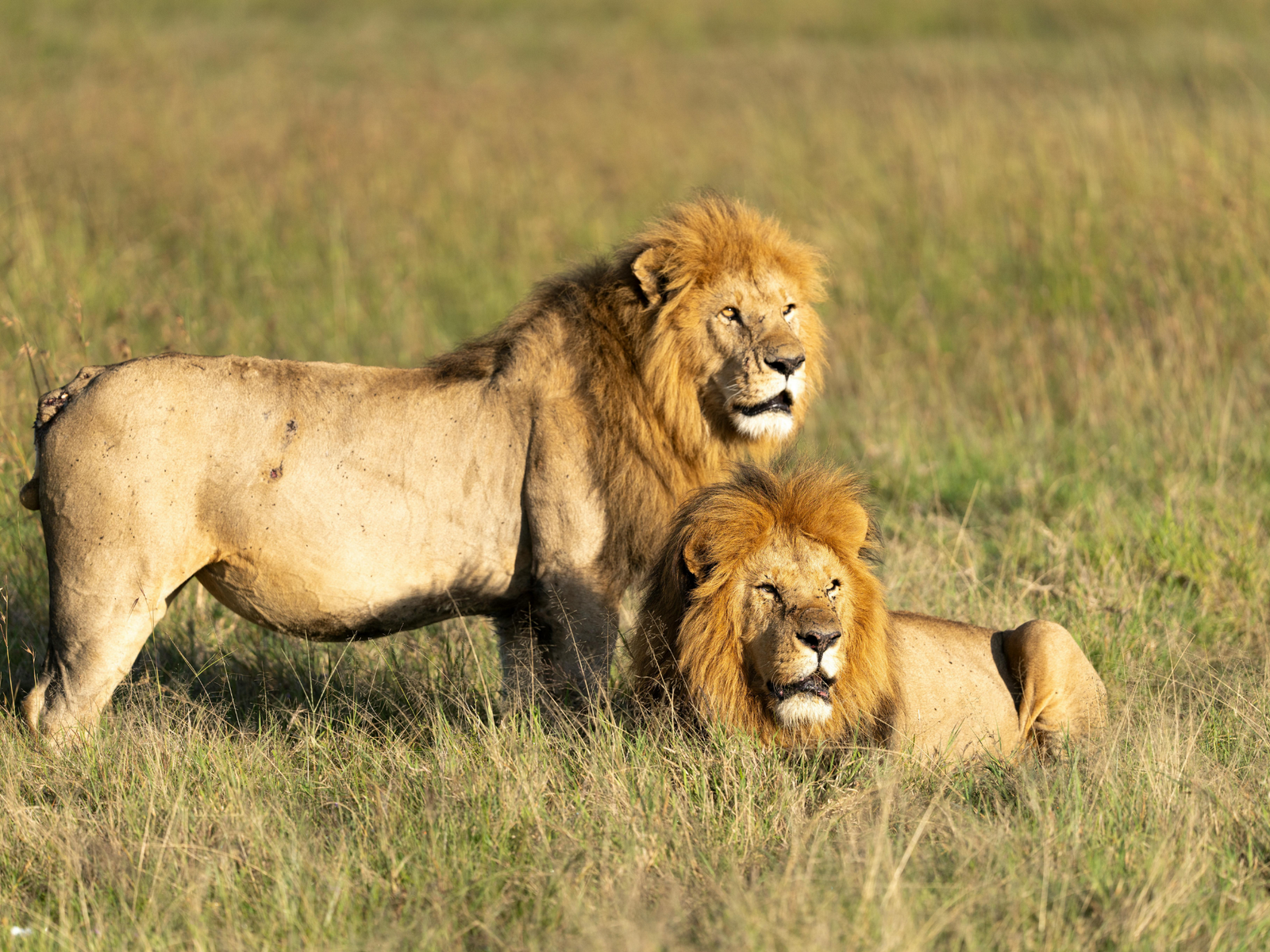
Sekenani: practical for road arrivals
Sekenani is the best-known eastern gateway and a common entry point for travellers driving from Nairobi through Narok. The road from Narok to Sekenani is tarmacked, which makes this side logistically straightforward for many road itineraries.
There is a large concentration of lodges and camps around Sekenani, both inside and outside the Reserve. That variety is useful for budget choice, but the exact position still matters. A lodge described as “Sekenani area” may be almost at the gate or may require a meaningful transfer before entering the Reserve.
Best suited to: road-based itineraries, first-time visitors, groups trying to balance price with Reserve access, and trips that continue onward through the eastern Mara road network.
Talek and the central-eastern Mara
Talek lies along the northern side of the Reserve and is surrounded by a dense accommodation belt. Its appeal is access to productive central and eastern game-viewing country without needing to stay deep inside the Reserve.
Its weakness is not wildlife — the area can be excellent — but traffic. In busy migration months, the central Mara can attract high vehicle numbers around major sightings. A private vehicle and a guide willing to work away from crowd clusters can make a large difference.
Talek also works differently depending on whether the lodge is inside the Reserve, immediately outside the gate, or farther north toward conservancy land. Check the exact map location, not only the postal address.
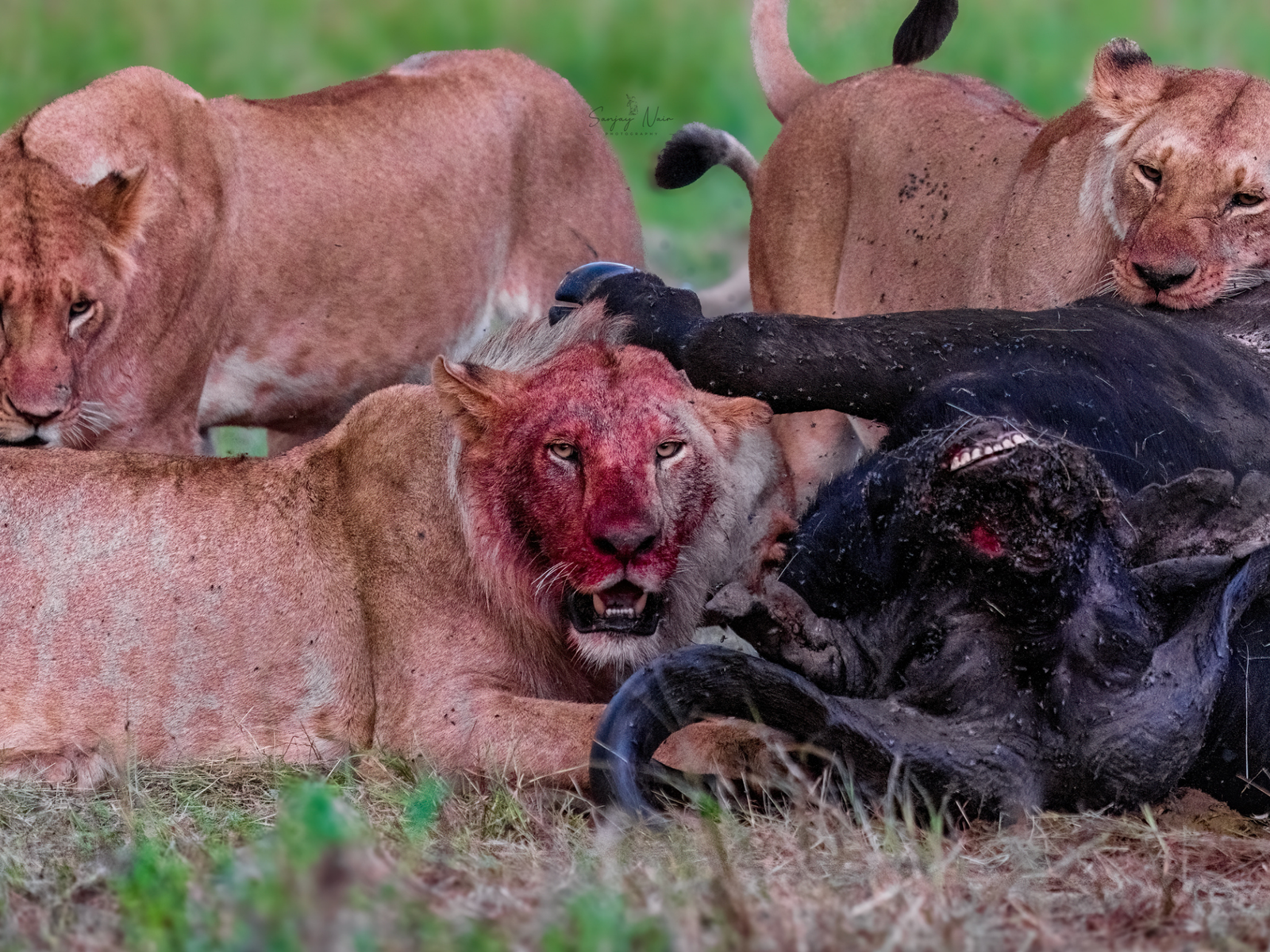
Musiara, Mara River and the northern Reserve
The Musiara side of the Reserve is associated with the northern Mara River, marsh areas and a long history of high-quality predator viewing. Several established camps use nearby airstrips and this area can work particularly well for travellers flying from Nairobi.
During migration season, river access becomes an obvious attraction. But choosing Musiara only because of migration can be too simplistic: herds move, crossings are unpredictable and the best wildlife day may be away from the river entirely.
If you stay near the northern river system, you can spend more time watching that ecosystem instead of commuting across the Reserve. That is useful even when no crossing happens.
Oloololo, the western Mara and the Triangle
The western side has a different feel. The Oloololo Escarpment, Mara River and open Triangle landscapes make it one of the most distinctive sectors of the ecosystem. Mara Conservancy currently manages the 510 km² Triangle and its roads, gates and visitor system separately from the eastern Reserve.
For travellers staying around Kichwa Tembo, Bateleur, Angama, Olonana and neighbouring western properties, the Aitong approach can be more logical than driving through Sekenani. Mara Conservancy itself advises that the best road route depends on where you are staying.
The Triangle can be an excellent choice for travellers who want a less fragmented western-Mara experience, especially on itineraries that fly to nearby airstrips or stay several nights in the same sector.
Private conservancies: what you are really buying
The Greater Mara contains a network of community conservancies. MMWCA says its membership currently spans 24 conservancies at different stages of development, covering roughly 450,000 acres and involving more than 15,000 landowners.
Conservancies are not homogeneous. Each has its own land partnerships, tourism partners, rules, camp density and fee structure. The common principle is that tourism revenue helps fund land leases and conservation while giving wildlife space outside the National Reserve.
Mara North
A large established conservancy north of the Reserve with a strong mix of resident wildlife and lower-density tourism. Useful for longer stays where you want a quieter operating model.
Naboisho
Naboisho works well when the priority is a quieter conservancy-style safari, controlled vehicle numbers and time spent watching behaviour rather than racing between Reserve landmarks.
Olare Motorogi
A major conservation buffer north of the Reserve with an exclusive camp model. Often selected by travellers prioritising low vehicle density and high-quality guiding.
Important
A conservancy stay does not automatically include National Reserve access. If you want Reserve days as well, the itinerary and fees must be built around that.
How to compare two properties properly
When two camps look similar online, these are the questions that usually matter more than the room photographs.
| Question | Why it matters |
|---|---|
| Inside Reserve, outside gate or conservancy? | Changes access rules, fees and the entire daily game-drive structure. |
| How many minutes to the actual gate? | “Near the Mara” can mean almost at the gate or a long daily commute. |
| Where does the first real game drive begin? | A cheaper camp may cost you the best sunrise or sunset wildlife time every day. |
| Private or shared vehicle? | Changes departure time, sighting flexibility, photography positioning and how long you can stay with an animal. |
| Which airstrip or road approach? | A badly matched airstrip can erase much of the time saved by flying. |
| What protected-area fees apply? | A lower room rate can be offset by Reserve or conservancy access charges. |
| Are Reserve days included from a conservancy? | Do not assume a conservancy package automatically includes Reserve entry. |
| What wildlife is the trip built around? | Migration, predators, photography, families and repeat visits can justify different bases. |
A beautiful property that makes you spend an unnecessary hour each morning and evening getting to the wildlife area you actually came to see.
Should you split your Mara stay?
Sometimes — but we split for a reason, not because two lodge names look more impressive on an itinerary.
A split stay starts to make sense when you have enough nights to buy a genuinely different safari product: for example, a few nights with direct Reserve access followed by a few nights in a conservancy with lower vehicle density, night drives and more flexible sighting rules.
What usually does not make sense is moving between two properties that use essentially the same wildlife area. Then you have paid for packing, checkout, transfer and check-in without gaining meaningful new access.
For three nights, one excellent location normally beats two average locations. For four or five nights, a split can work if the second property changes the geography or operating model enough to justify the move.
Read How Many Nights in Masai Mara? before deciding whether a split stay is worth it.
How Safari Lab actually shortlists Mara properties
We normally eliminate properties before we compare rooms.
First we look at the travel month, wildlife objective, number of nights and whether the trip is road-based or fly-in. Then we narrow the geography. Only after that do we compare the properties that make sense inside that area.
For a migration-focused trip, that can mean prioritising access to the relevant river or herd movement zone. For a repeat visitor who wants predator behaviour and lower vehicle density, it may push us toward a conservancy. For a family travelling by road, we may favour a practical gate area with a private vehicle over a theoretically more luxurious camp that creates awkward daily logistics.
It should make clear where the property is, what safari area you will use, what vehicle arrangement applies and which protected-area fees are built into the itinerary.

4.9/5 · 157 reviews
Frequently asked questions
Is it better to stay inside the Masai Mara Reserve?
It is often better for straightforward Reserve access, but it is not automatically the best choice for every traveller. Conservancies and well-positioned gate lodges can be better depending on budget and safari style.
Is Talek inside the Reserve?
Talek is a gateway area on the northern side of the Reserve. Properties marketed as Talek can be inside, immediately outside or farther from the gate, so check the exact map position.
Is the Mara Triangle a private conservancy?
No. The Mara Triangle is part of the Masai Mara National Reserve and is separately managed by Mara Conservancy.
Can I stay in a conservancy and still visit the Reserve?
Yes, but Reserve access must be planned and may attract separate fees. The exact arrangement depends on the camp, conservancy and itinerary.
Should I change lodges during a three-night stay?
Usually not unless there is a strong logistical reason. The transfer can consume too much of a short safari.