Family Safari in Africa: Best Countries, Ages & Planning Tips
A family safari works best when the route is designed around the children’s ages without turning the whole trip into a children’s programme.
A six-year-old and a sixteen-year-old are not the same safari traveller
Age changes almost everything: rooming, child rates, walking restrictions, balloon rules, meal expectations, tolerance for long drives and how much flexibility you need from the vehicle.
That is why “family safari package” is too vague. The right route for parents travelling with two teenagers may look almost identical to an adult safari. A trip with younger children may need shorter road sectors, more pool time and a private vehicle that can return to camp whenever the family is done.
Give us the exact ages at travel. We separately check lodge occupancy, child pricing, protected-area fees and activity limits rather than treating every child as one generic category.
Three strong starting points
Best all-round first family safari
Strong wildlife, flexible private road itineraries and enough variety to build a trip without constant flights. The Masai Mara works especially well when paired with one or two complementary stops.
Best for lodge choice and easier logistics
A wide range of family-friendly lodges, private reserves and self-drive options makes South Africa unusually flexible. Some regions also offer malaria-free safari options.
Best for longer wildlife-first family trips
Serengeti and Ngorongoro are exceptional, especially with older children who can handle longer road sectors and early starts. Zanzibar can create an easy beach finish.
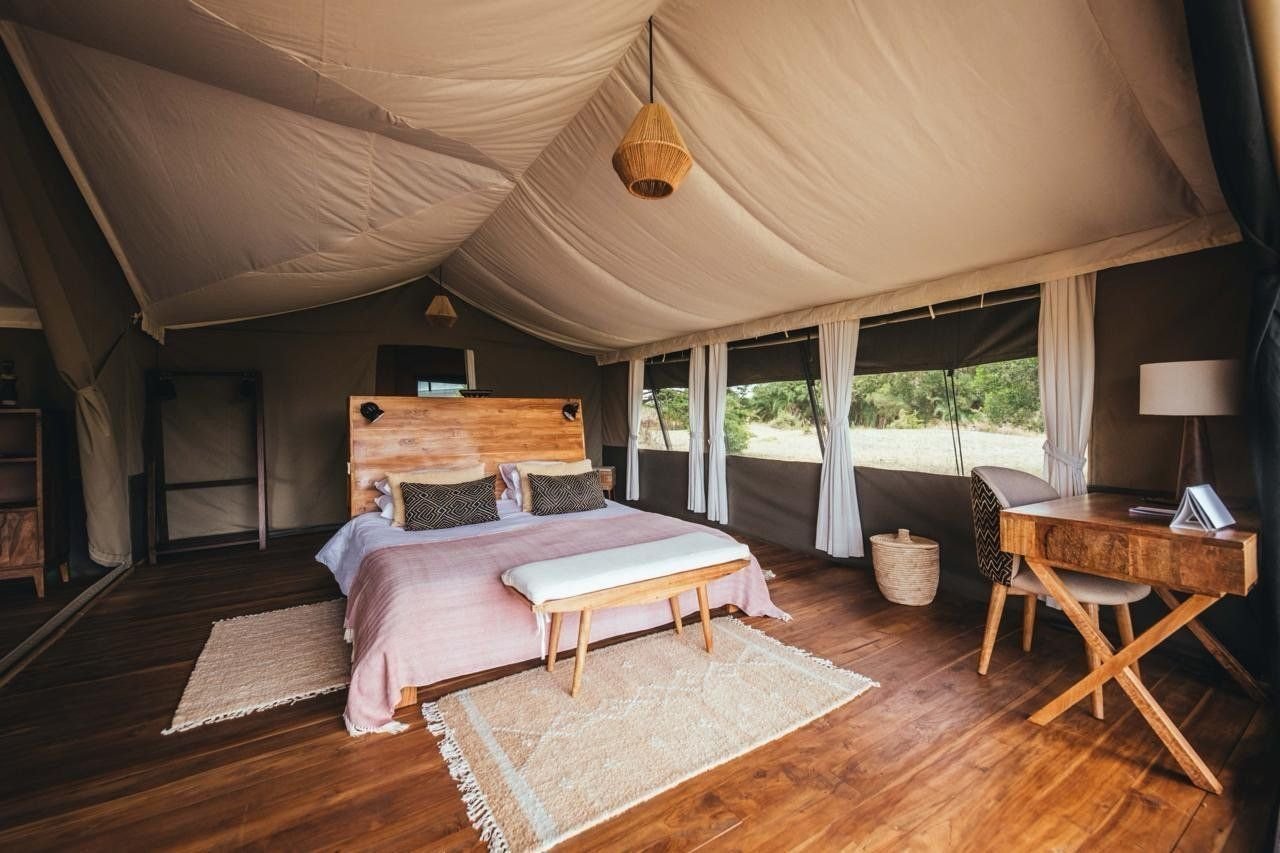
Check the rooming before the wildlife list.
Family rooms, triples and interconnecting units are far more limited than standard doubles. A quote can look perfect until the actual room configuration is checked.
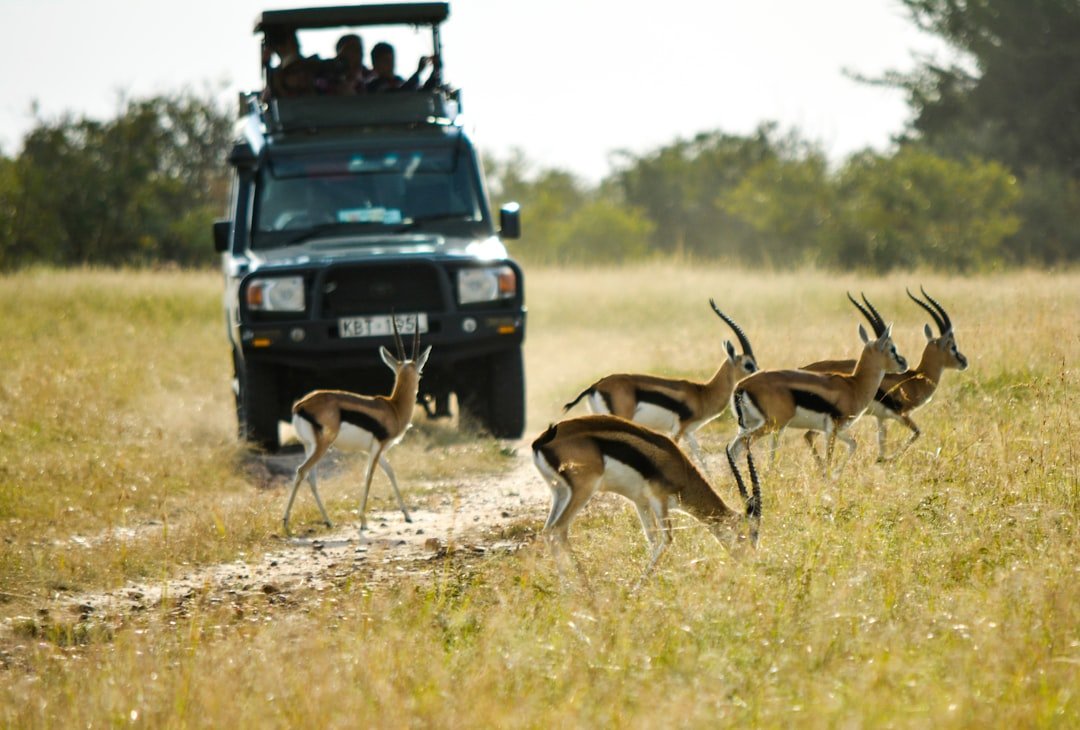
This is often the family upgrade worth paying for
For older children and teenagers, a full-day drive can be excellent. For younger children, flexibility is often more valuable than maximising every minute in the field.
Where family safari quotes most often go wrong
A lodge may advertise itself as family-friendly and still have only a small number of true family units. Some properties use triples, some allow an extra bed, some have interconnecting rooms and some require two separate tents that may not be next to each other.
For younger children, unfenced camps add another layer: families may need an escort after dark, and parents should understand how the tents or rooms are positioned before booking.
Do not wait until after payment to ask whether the children are actually sleeping with you, next door or across the property.
Fewer stops usually makes a better family safari
One of the easiest ways to ruin a family safari is to make every second morning a checkout morning. Packing, long road transfers and repeated lodge orientation can tire children faster than the game drives themselves.
For many first trips, five to seven safari nights works well when the route is limited to two or three strong bases. Add a beach extension if the family wants a slower second half rather than adding another wildlife park simply because there is time.
For the Mara-specific version of this advice, see our Masai Mara With Kids guide.
We plan family safaris around the actual family
We do not assume every child needs “kid activities”, and we do not assume every teenager needs a shorter safari. The itinerary starts with age, energy, wildlife interest, food requirements and how the family normally travels.
Then we choose the vehicle, rooming and route around that.
Children may arrive desperate to see a leopard or a river crossing. We set expectations before the trip: wildlife is not scheduled, and the strongest safari is one that stays interesting even when the famous animal does not appear on cue.
Frequently asked questions
What age is best for an African safari with kids?
There is no universal best age. Older children generally tolerate long drives and early starts more easily, while younger children benefit from private vehicles, flexible schedules and carefully chosen lodges.
Which African country is best for a family safari?
Kenya and South Africa are especially strong first choices because of route flexibility and lodge variety. Tanzania can be excellent for older children and wildlife-focused families.
Are private game drives worth it for families?
Often yes. The ability to shorten or change the game drive without affecting other guests can materially improve the trip.
Can young children stay in safari camps?
Many camps welcome children, but minimum ages, rooming, walking restrictions and unfenced-camp rules vary. These need to be checked property by property.
How many days should a family safari be?
Five to seven safari nights is a useful starting point for many first trips, with fewer bases usually working better than a rushed multi-park circuit.
Tell us the ages first. We’ll build from there.
Share your dates, adults, exact child ages, total nights and broad budget. We’ll suggest the route, rooming and vehicle setup that fit the family.

Independent, practical guidance for planning a better Maasai Mara safari.