How Much Does an African Safari Cost?
There is no meaningful single safari price. Country, season, lodge level, private vs shared vehicle, internal flights and the number of real wildlife days can move the total dramatically.
Most published averages hide the thing you actually need to know
Public safari guides commonly place budget trips in the low hundreds of US dollars per person per day, mid-range trips several hundred dollars per day, and luxury trips anywhere from the high hundreds into several thousand dollars per person per night at the extreme end.
Those numbers are useful only as a first filter. A self-drive South Africa trip and a fly-in Botswana safari are not two versions of the same product. Neither is a shared camping safari in Tanzania equivalent to a private Land Cruiser circuit in Kenya.
The useful question is not simply “what does a safari cost?” It is “what exactly is making this safari cost what it does?”
We would rather explain the six or seven variables behind a quote than publish one seductive “from” price that stops being true the moment your dates, group size or lodge changes.
Use these as planning bands, not promises
Simple accommodation + shared or efficient logistics
Camping, simpler lodges, shared departures or self-drive structures can keep daily costs down in countries where that model works well.
The trade-off is usually less privacy, less control over the game-drive day, or more basic accommodation rather than “worse wildlife”.
Comfortable lodges + guided safari structure
This is where many first-time East Africa safaris sit: proper safari lodges or tented camps, meals included, professional guiding and a private or well-structured shared vehicle.
Location and group size make a huge difference here.
Exclusivity, location and time-saving logistics
Luxury can mean smaller camps, private concessions, bush flights, private vehicles, exceptional guiding and more staff per guest.
The best luxury spend buys access, privacy or time. The weakest luxury spend buys only a fancier room.
Why two seven-day safaris can be thousands of dollars apart
The cheapest safari country is not automatically the best value for you
| Destination style | Typical strength | Cost pattern |
|---|---|---|
| Kenya | Classic first safari, Mara predators, migration, strong private-road itineraries | Can range from efficient mid-range road safaris to very high-end conservancy and fly-in trips. |
| Tanzania | Serengeti, Ngorongoro and northern circuit depth | Protected-area fees and long circuit logistics can make it expensive even before luxury accommodation. |
| South Africa | Private reserves, lodge choice, self-drive flexibility | Broadest price spectrum; self-drive can be efficient while top private reserves are extremely expensive. |
| Botswana | Low-density wilderness and fly-in camps | Often expensive because remote access, small camps and aviation are central to the product. |
| Namibia | Landscapes, self-drive and lower-density travel | Can be cost-efficient for independent travellers; guided luxury versions rise sharply. |
| Uganda / Rwanda | Primates and gorilla trekking | Permit costs can become a major part of the budget even when the rest of the trip is moderate. |
Do not compare the final number first.
Compare route, lodge geography, private/shared vehicle setup, protected-area days, internal flights and actual game-drive time. Only then compare the total.
How to reduce cost without destroying the safari
The smartest budget cuts usually come from logistics rather than wildlife time. Travel in a shoulder season, choose a simpler but well-positioned lodge, share fixed vehicle costs across more travellers and remove unnecessary flight sectors or weak one-night stops.
What we would protect first is the strongest wildlife area, enough nights there, a competent guide and a vehicle arrangement that fits the group. Saving money by staying far from the action or cutting the best safari day can make the entire trip worse.
A budget safari is not automatically a low-quality safari. It is a trip where the spend is concentrated on the parts that matter most.
Spend on the parts that materially change the safari
Usually worth the premium
Better lodge geography, a private vehicle when flexibility matters, an extra night in the strongest wildlife area, a bush flight that genuinely protects time, and high-quality guiding.
Easy places to overspend
Famous hotel names in poor locations, unnecessary one-night stops, room upgrades that do not change the safari, and flight sectors that save very little useful time.
Why group size changes the price so much
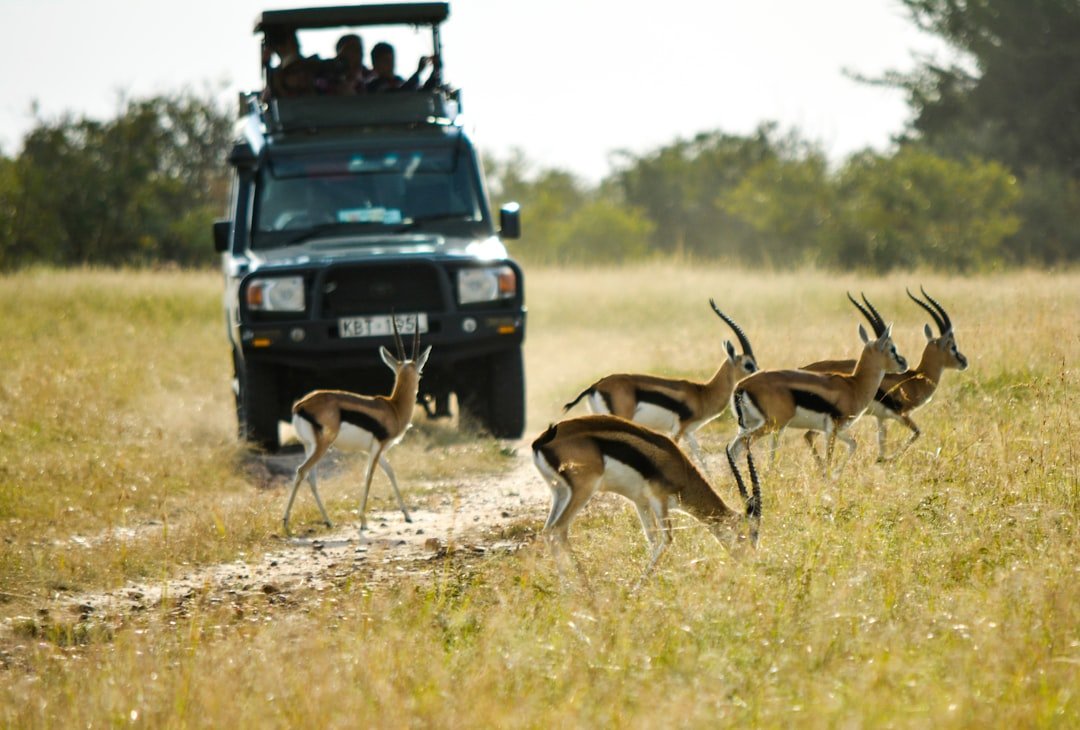
A private Kenya safari vehicle is a largely fixed daily cost. Two travellers splitting that vehicle pay a much higher per-person amount than five or six guests using the same vehicle.
That is why a couple can see a large price difference between a shared lodge-drive package and a private road safari even when the accommodation is identical.
It is also why family and small-group safari economics often improve faster than the room rate alone would suggest: the fixed vehicle and transfer costs are spread across more people.
For a detailed Masai Mara example, see our Masai Mara safari cost guide.
Peak season can raise more than the room price
Travellers often think “high season” simply means the lodge gets more expensive. In reality, several components can move together: accommodation, protected-area fees, internal flight availability and sometimes vehicle demand.
That is why shifting a trip by a few weeks can change the economics substantially without changing the number of nights.
Shoulder and green seasons are not simply cheaper versions of peak season. They can offer greener landscapes, fewer vehicles and different wildlife behaviour. For some travellers, the lower price is a bonus rather than the main reason to go.
We would rather show you why the number is what it is
Our quotations are built around the actual route, vehicle, lodge selection, rooming and protected-area access rather than a generic per-day figure.
That makes it easier to change the trip intelligently. If the budget is too high, we can identify whether the best saving is a different lodge, fewer fly-in sectors, a shoulder-season date or a change in route — without automatically cutting the wildlife time.
It may be excellent value. But first check whether it is cheaper because of a genuine operational saving or because something material has been removed.
Frequently asked questions
How much does an African safari cost per day?
Published market guides span from low-hundreds-per-day budget trips to several thousand dollars per person per night at the ultra-luxury end. The exact number depends heavily on country, season, lodge type and transport model.
Why are African safaris so expensive?
Remote logistics, protected-area fees, low-capacity camps, professional guiding, specialised vehicles and internal aviation all contribute. In some destinations, exclusivity itself is part of the conservation and operating model.
Is Kenya cheaper than Tanzania?
Not universally. A private Kenya road safari can be more efficient than some Tanzania circuits, while premium Kenya conservancies can be more expensive than many Tanzania lodges. Compare the exact route and inclusions.
Is a private safari worth the extra cost?
It can be, especially for photographers, families and travellers who want control over game-drive timing. Shared drives can be excellent value if flexibility matters less.
How can I reduce safari cost without ruining the trip?
Travel in a shoulder period, choose lodge location carefully, reduce unnecessary flight sectors, share fixed vehicle costs with more travellers, and remove weak one-night stops before cutting the strongest wildlife days.
Tell us the dates and route. We’ll cost the actual safari.
Share your travel window, group size, trip length and broad comfort level. We’ll build the route and explain where the money is going rather than quoting an abstract daily rate.
Independent, practical guidance for planning a better Maasai Mara safari.